British Prime Minister Sir Keir Starmer has said the UK should work more closely with Europe on defense, and he has said that the continent needs to do more to ensure its own security.
“I do think on spend, capability and cooperation we need to do more together,” Starmer told reporters on his way to China last week in comments released on Feb. 1.
“I’ve made the argument, and that should require us to look at schemes like SAFE and others to see whether there is a way in which we can work more closely together,” Starmer said.
“Whether it’s SAFE or other initiatives, it makes good sense for Europe in the widest sense of the word—which is the EU, plus other European countries—to work more closely together. That’s what I’ve been advocating, and I hope to make some progress on that.”
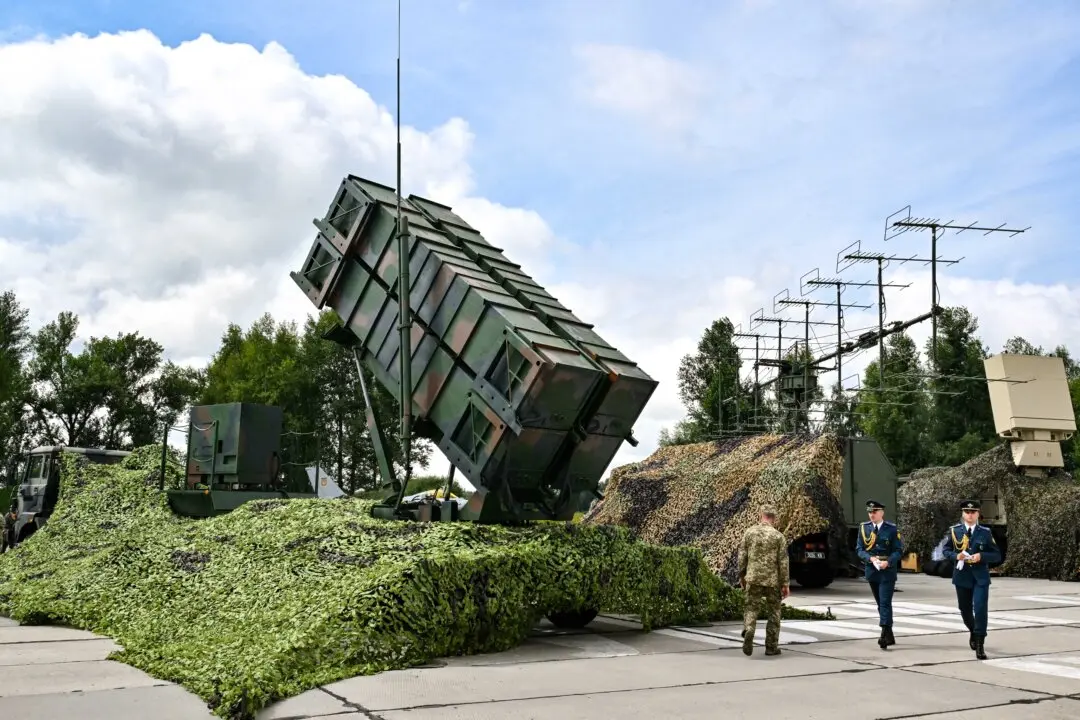
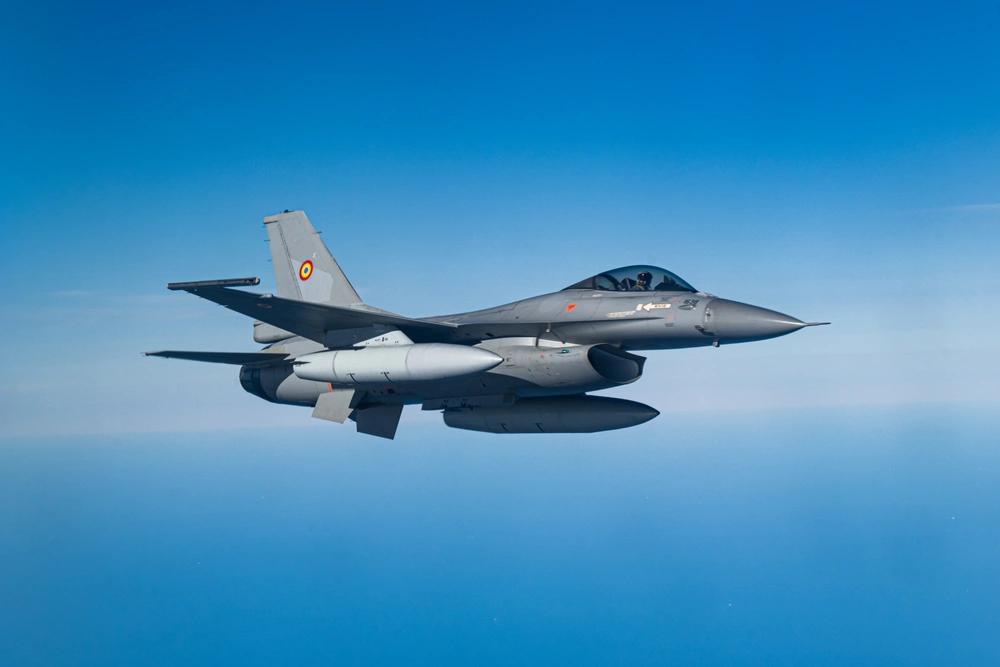
SAFE is the EU’s largest-ever joint military investment and allows the bloc’s 27 member states to access competitively priced, long-term loans to fund defense procurement in key areas such as artillery, drones, cyberdefense, and missile systems.

The program also allows participation from third countries that have existing security agreements with the EU.
A plan for the UK to join SAFE broke down in November 2025. However, the UK’s minister for EU relations, Nick Thomas-Symonds, said the UK defense industry would “still be able to participate in projects through SAFE on third-country terms.”
Europe Needs to ‘Step Up’
“Europe, including the UK, needs to do more on security and defense,“ Starmer told reporters. ”That’s an argument I’ve been making for many months now with European leaders.“We’ve got to step up and do more. It’s not only [U.S.] President [Donald] Trump who thinks Europe needs to do more, but other presidents as well. I think the same.”
U.S. President Donald Trump has been pressuring NATO allies to commit more of their own resources to defending Europe.
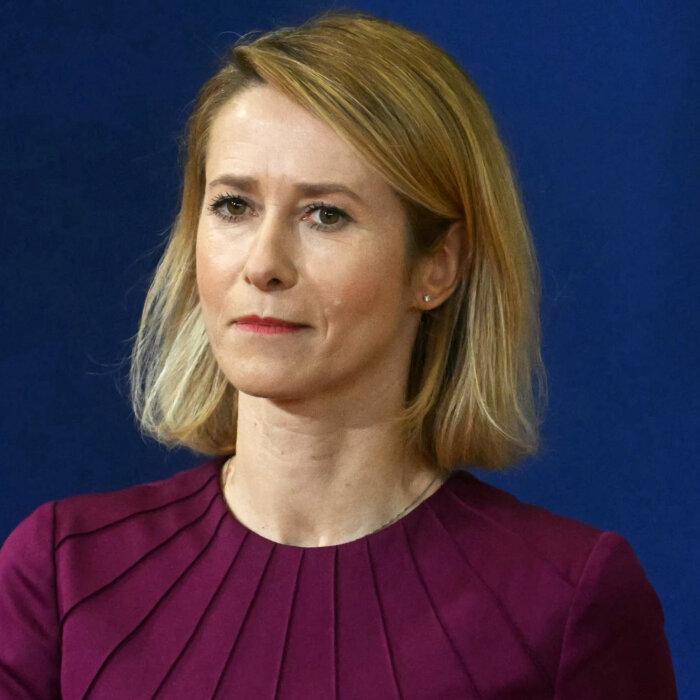
“Let me be clear: We want strong trans-Atlantic ties,“ Kallas said in her keynote speech at the annual conference of the European Defence Agency in Brussels. ”The U.S. will remain Europe’s partner and ally. But Europe needs to adapt to the new realities. Europe is no longer Washington’s primary center of gravity.”
US National Defense Strategy
The Pentagon on Jan. 23 released its new National Defense Strategy, which outlines the U.S. plan to prioritize homeland defense, including by “defending America’s interests throughout the Western Hemisphere,” according to the document.The Pentagon also said the United States will encourage partners in other parts of the world, including Europe, to take primary responsibility for their own defense “with critical but limited support from U.S. forces.”
According to NATO, the imbalance between what the United States spends on defense and what other allies spend “has been constant.”
“The combined wealth of the non-US Allies, measured in [gross domestic product], is almost equal to that of the United States,” the alliance states on its website. “However, non-US Allies together spend less than half of what the United States spends on defence.”