A recent report by the UK’s regulator suggested a possible probe into Apple and Google’s mobile ecosystem activities under new digital markets competition rules, which will take effect next year.
Margot Daly, chair of the CMA’s independent inquiry group, said the agency provisionally found that mobile browser markets were not working well for UK businesses, which has stifled innovation.
The group raised particular concerns about Apple’s policies governing how mobile browsers work on iPhones. Apple’s rules hinder competitors from delivering innovative features, such as faster webpage loading on iPhones, according to the report.
The report stated that many smaller UK app developers wanted to use “progressive web apps”—a way of providing apps to users without requiring downloads from an app store—but this technology was unable to fully take off on Apple’s devices.
It said that Apple’s rules require competing mobile browsers in the UK to use its browser engine, WebKit, which controls what these browsers can do on iOS and limits the ability to offer enhanced features.
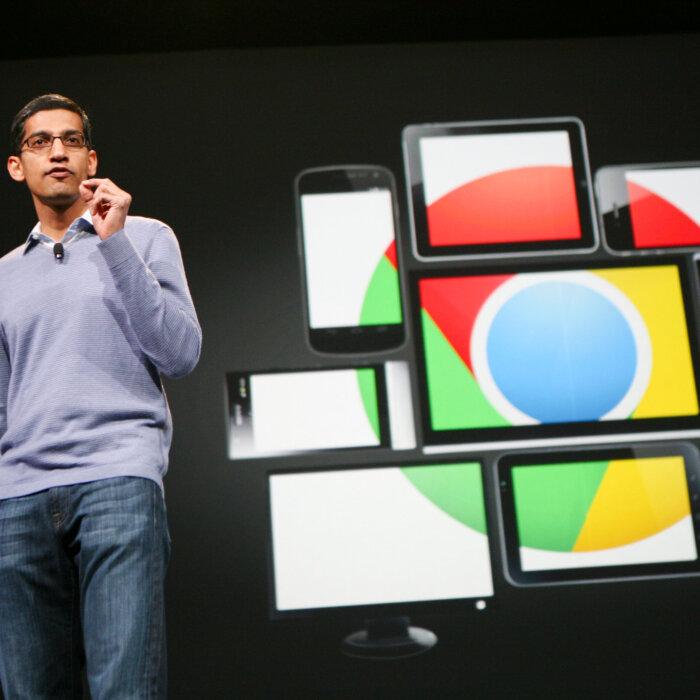
The group also found a revenue-sharing agreement between Apple and Google that enables both companies to earn revenue when Chrome is used on iPhones, which “significantly reduces their financial incentives to compete” in mobile browsers on iOS, according to the report.
The report recommended that the CMA board investigate Apple’s and Google’s mobile ecosystem activities under the new Digital Markets, Competition and Consumers Act, which is set to take effect next year.
This law will give the CMA the ability to designate companies as having “strategic market status”—indicating that they hold substantial power in the digital market—and impose appropriate interventions.
“The analysis set out in this report and a range of potential interventions considered to address the market issues identified by the Group merits consideration by the CMA board under its new powers, which have been specifically designed for digital markets,” Daly said.
In an emailed statement to The Epoch Times, Apple said it disagrees with the report’s findings and affirmed its commitment to “engage constructively” with the CMA.
The company said it is concerned that market interventions under the new regulation would “undermine user privacy and security” and hinder its ability “to make the kind of technology that sets Apple apart.”
“Apple believes in thriving and dynamic markets where innovation can flourish. We face competition in every segment and jurisdiction where we operate, and our focus is always the trust of our users,” it stated.
Google did not respond by publication time to a request for comment.
The DOJ outlined its proposed remedy in a 23-page court filing, which includes the divestiture of Chrome. It also seeks to bar Google from entering into exclusive agreements with distributors, such as its contracts with Apple that make Google Search the default search engine on iPhones in Safari’s search bar.
Google Global Affairs president and legal chief Kent Walker said the DOJ’s proposal would result in “unprecedented government overreach” and “jeopardize America’s global economic and technological leadership.”