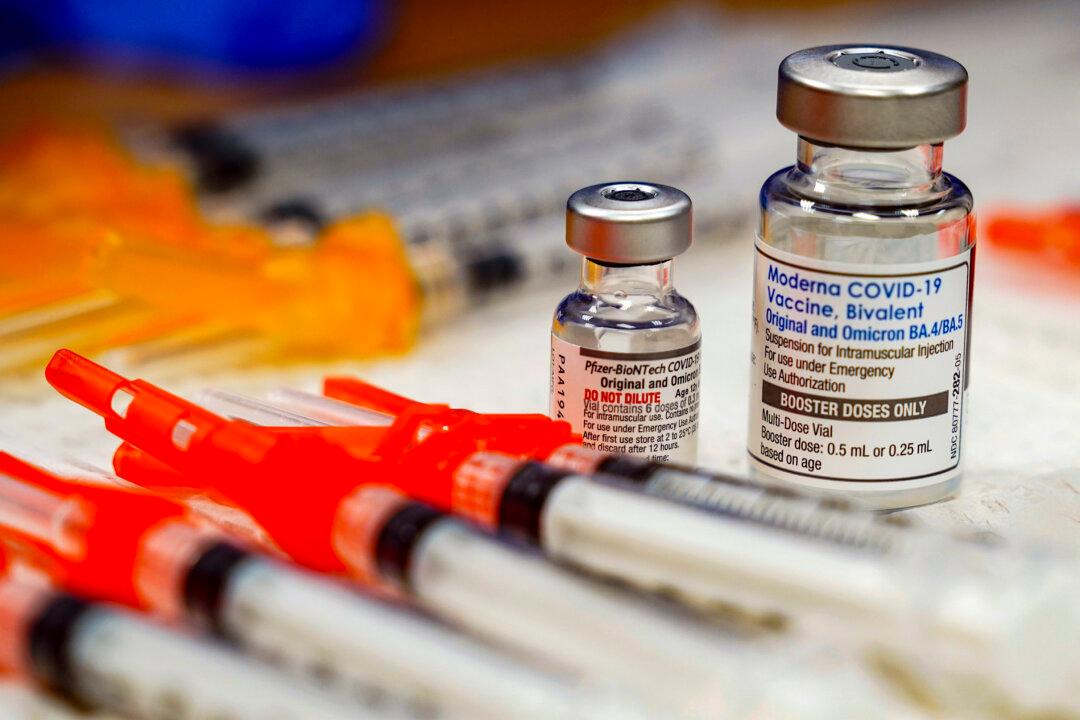
Prescribing cross-sex hormones to 16- and 17-year-olds has been paused in the UK after a review by national health authorities found that evidence does not support their use.
Masculinizing or feminizing hormones have been available for more than a decade for young people aged 16 to 18 with a diagnosis of gender dysphoria who meet certain criteria, but all new referrals have been paused since March 9.
NHS England said that patients in this age group who are already taking cross-sex hormones can continue to receive them, but the prescription must be reviewed with doctors.
Taking these hormones can cause irreversible changes, including breast development in males taking estrogen, or deepening of the voice and muscular development in females taking testosterone, according to NHS England. They can also cause temporary or permanent infertility.
A separate review by NHS England has since found that the evidence is too weak to conclude whether cross-sex hormone treatment is either beneficial or harmful to children with gender dysphoria.


Puberty Blockers Trial Concerns
A planned clinical trial into the effects of puberty blockers on children as young as 10 was paused in February amid concerns about the “unquantified risk” of “long-term biological harms” on vulnerable youngsters.Professor James Palmer, national medical director for specialized services at NHS England, said in a statement that following Cass’s review, NHS England commissioned an “in-depth review of all available clinical evidence for using oestrogen or testosterone either alone or with other medications to treat gender incongruence and dysphoria.”
“This review has established that the available evidence does not support the continued use of masculinising or feminising hormones to treat gender incongruence or dysphoria for young people under 18,” he said. “We are now launching a public consultation on a revised policy which would see the NHS remove this treatment as a routine intervention for young people under 18.”
Palmer added that the NHS has “exercised extreme caution when considering starting young people on this treatment—in accordance with the advice from Dr Cass—and as part of this action will now be pausing any new referrals for this treatment for 16- and 17-year-olds.”
He said the NHS will continue to provide specialist support, including mental health support and referrals to specialist children and young people’s gender services, “where appropriate.”
Tammy Hymas, policy lead at advocacy group TransActual, told the Press Association, “Banning new prescriptions of gender-affirming hormones for 16- and 17-year-olds is a profound attack on young people’s bodily autonomy with trans people yet again cruelly singled out by this government.”
Campaign groups opposed to placing children on medical pathways welcomed the announcement and urged the government to scrap the puberty blockers trial, which is currently subject to a judicial review.
Transgender Trend pointed to findings by Cass that almost all children who are prescribed puberty blockers progress to taking cross-sex hormones.
The group stated that families “have paid a heavy price for years of inaction on cross-sex hormones.”
“Reports about the lack of evidence and potential harms go back many years and were confirmed by the 2020 [National Institute for Clinical Excellence] systematic evidence reviews that informed Cass,” it stated.
BSG called on the government to clamp down on private online clinics, which may still be selling the hormones to children, and raised the question of what provision the NHS will make for children who have been harmed by the treatment.
The group said if the planned puberty blocker trial eventually goes ahead, it will “generate a new cohort of patients for a treatment now confirmed to lack an evidence base.”
Serious Side Effects
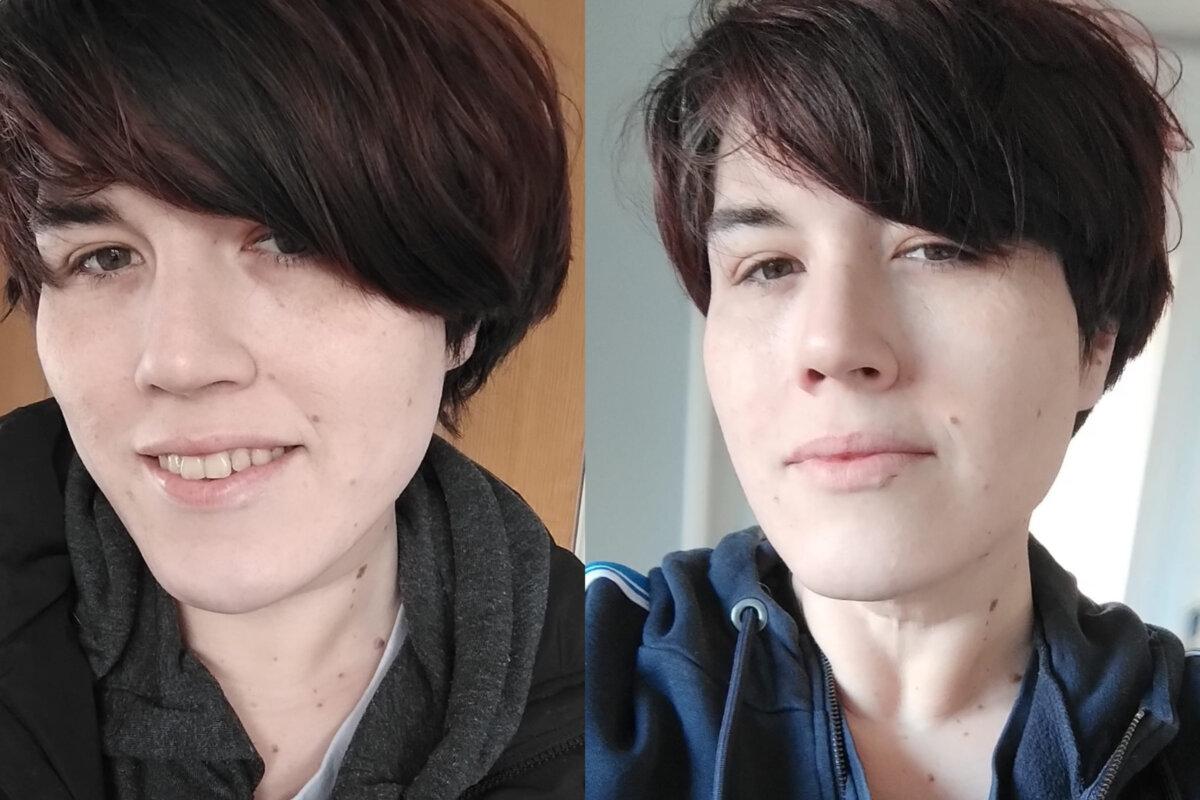
Studies, such as a 2016 Nature paper, have shown that cross-sex hormones affect the functioning of the brain in ways that are not yet fully understood.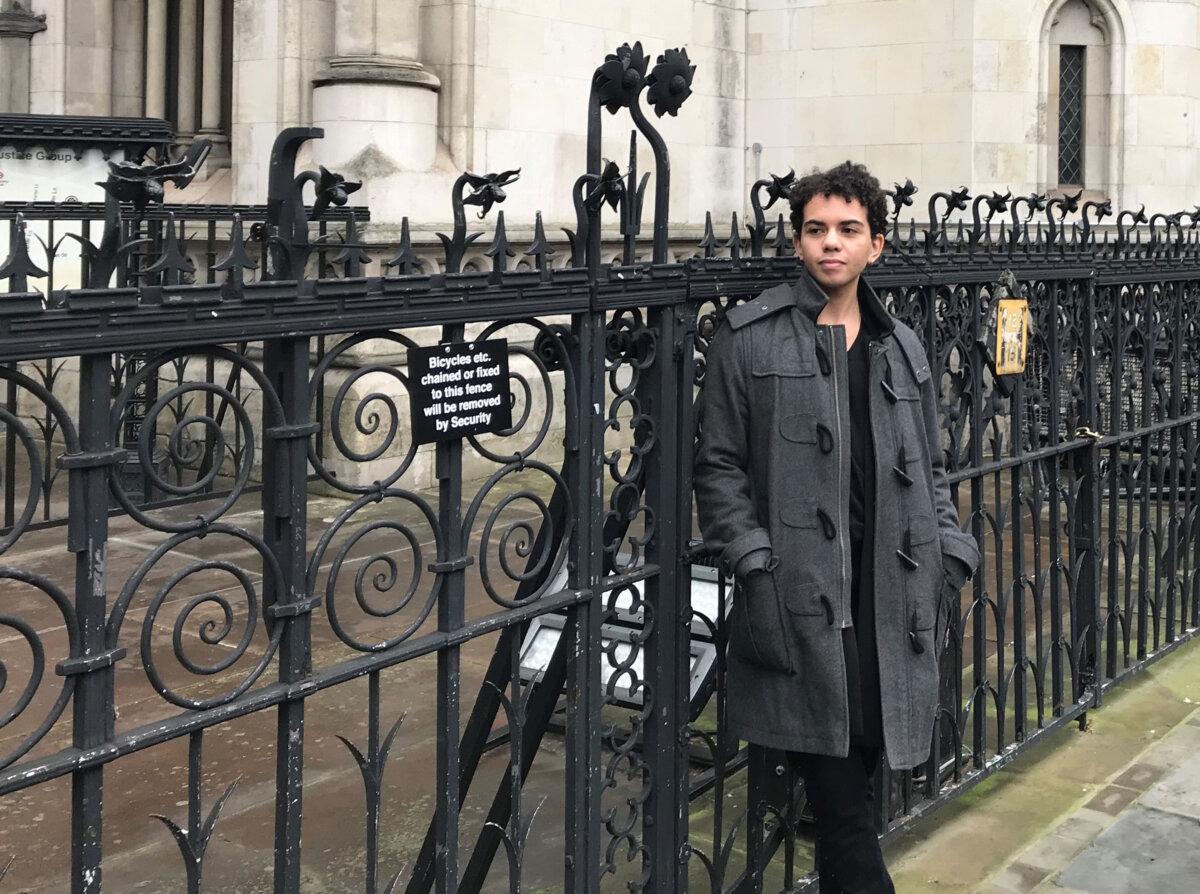
Bell applied for a judicial review into the government’s decision to approve the puberty blocker trial, along with psychotherapist James Esses and BSG.
The Department of Health and Social Care announced that the trial was paused on Feb. 20 following concerns raised by the Medicines and Healthcare products Regulatory Agency.
“This trial will only be allowed to go ahead if the expert scientific and clinical evidence and advice conclude it is both safe and necessary,” a spokesperson for the department said.
The Epoch Times reached out to the Department of Health and Social Care for comment but did not receive a response.