The UK government, on June 16, imposed 70 new sanctions on entities and individuals supporting Russia’s war against Ukraine, including Chinese companies.
The sanctions package targets Russia’s “shadow fleets” and financial networks used to avoid trade restrictions and also third-country suppliers in China, Thailand, and Turkey.
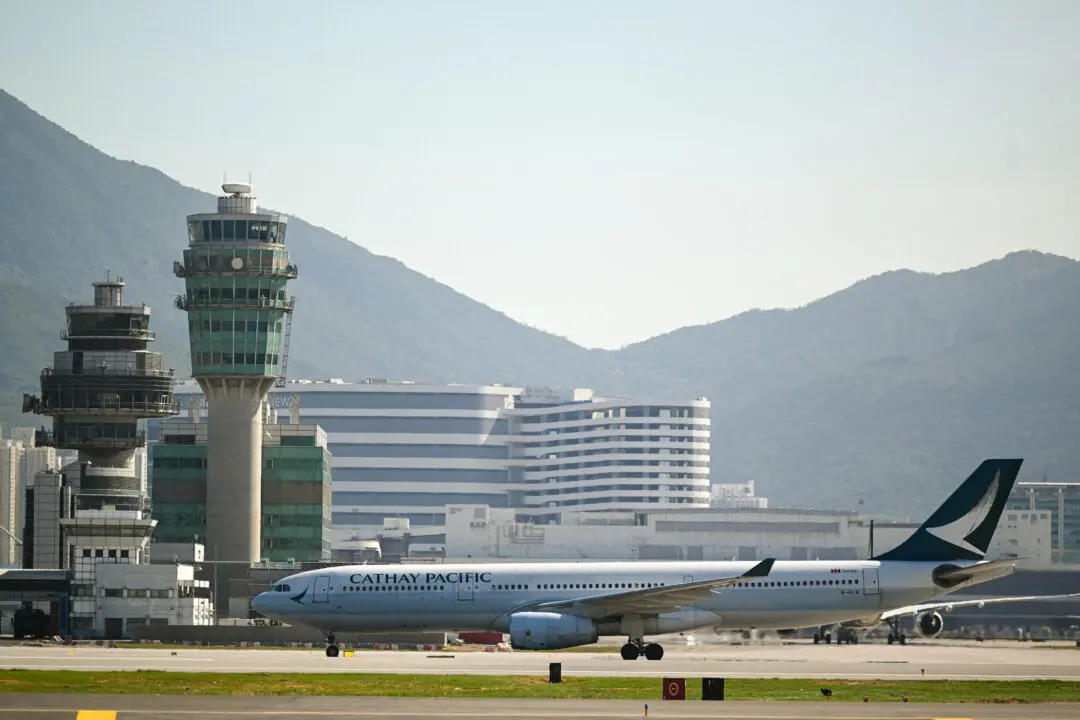
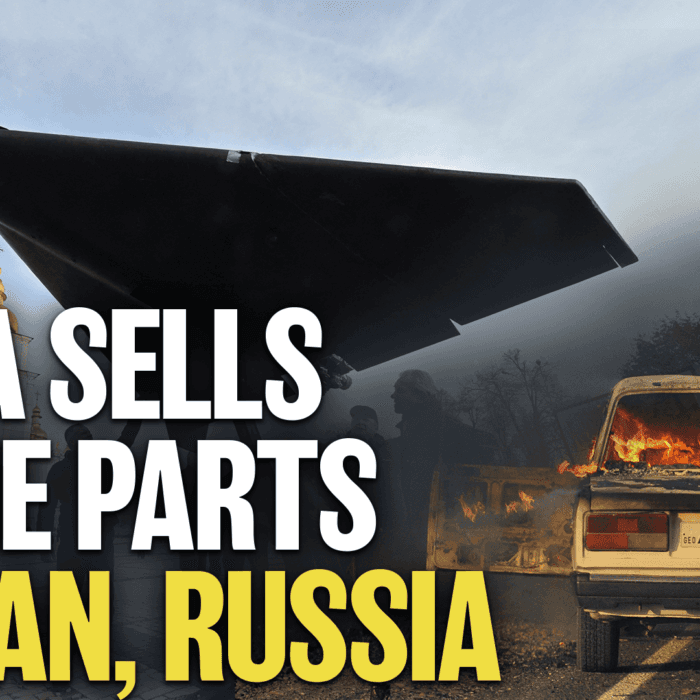
Four Chinese companies are on the UK sanctions list. Shenzhen Huaxin Antenna Technology and ComNav Technology specialize in satellite positioning and high-precision GPS; Shtral Technology makes universal lathes and milling machines; and Brukida Limited makes semiconductor chips. Shtral is headquartered in Tianjin, but its office address is listed in Hong Kong, while Brukida Limited is registered in Hong Kong.
“These sanctions target the vessels, the money, and the actors propping up Russia’s war economy and, in turn, threatening European security,” said UK Prime Minister Keir Starmer during the G7 summit in France.
The Chinese Embassy in the UK said on June 16 that it had lodged “serious representations” to express firm opposition to the sanctions.
In January, Starmer’s Labour government approved the controversial location of the new Chinese Embassy in London, which has been criticized as a potential threat to UK national security.
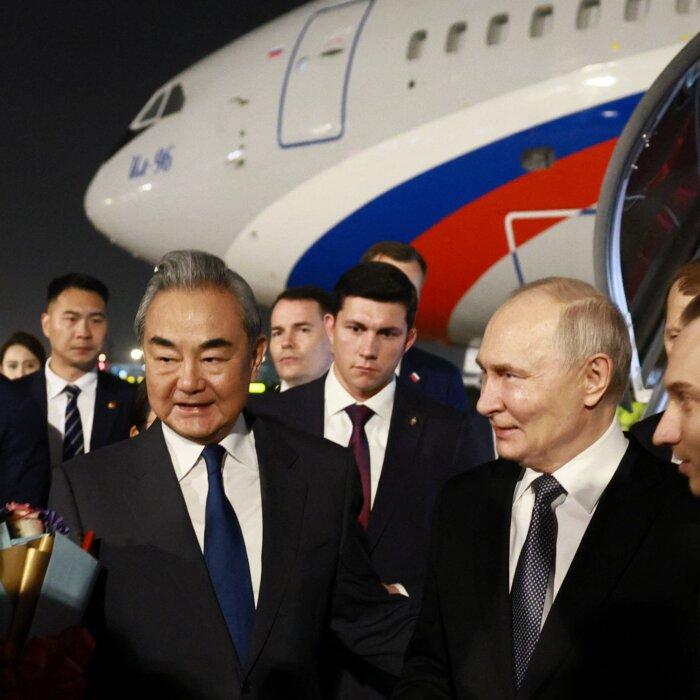
Starmer visited China in January, the first UK leader to visit the country in eight years, to seek more cooperation with the communist regime by signing a series of trade deals.
The Starmer government restricted U.S. use of British military bases in the Iran conflict.
Now, the UK has joined efforts to sanction Chinese companies. That’s because NATO and other Western nations hope to hasten the end of the war through concerted action, Shen Ming-shih, research fellow at the Division of National Security Research at Taiwan’s Institute for National Defense and Security Research, told The Epoch Times.
The UK’s action stems from the pressure of the Russia–Ukraine war, said Fang Wei, a U.S.-based senior journalist and China analyst.
“Russia’s invasion is perceived by the UK and the European Union as the greatest security threat facing Europe, as they believe Putin’s ambitions will not stop at Ukraine,“ he told The Epoch Times. ”Yet, Europe lacks the military strength to resist. Meanwhile, the U.S. has decided to significantly reduce its troop presence in Europe.”
The UK and the EU are well aware that Russia’s ability to sustain the war is linked to support from the Chinese regime, Fang said.
“Therefore, the UK has chosen to sanction Chinese companies to signal its dissatisfaction with the Chinese regime, effectively saying, ‘You are threatening our security,’” he said, calling the UK move an act of self-preservation.
European Security, UK Pressure
Shen said that with Russia’s military manpower and resources gradually depleting and the possibility of a ceasefire in the war with Ukraine being brokered by Trump, Putin is contemplating a peace deal.
“However, continued support for Russia from Chinese companies would enable Russia to continue its military actions against Ukraine, something that would inevitably impact the prospects for ending the war,” Shen said.
The expansion or strengthening of Russia’s military capabilities has a profound impact on Europe as a whole, he said.
“Consequently, similar to the EU, the UK is also imposing sanctions on the Chinese companies that are providing aid to Russia,” Shen said.
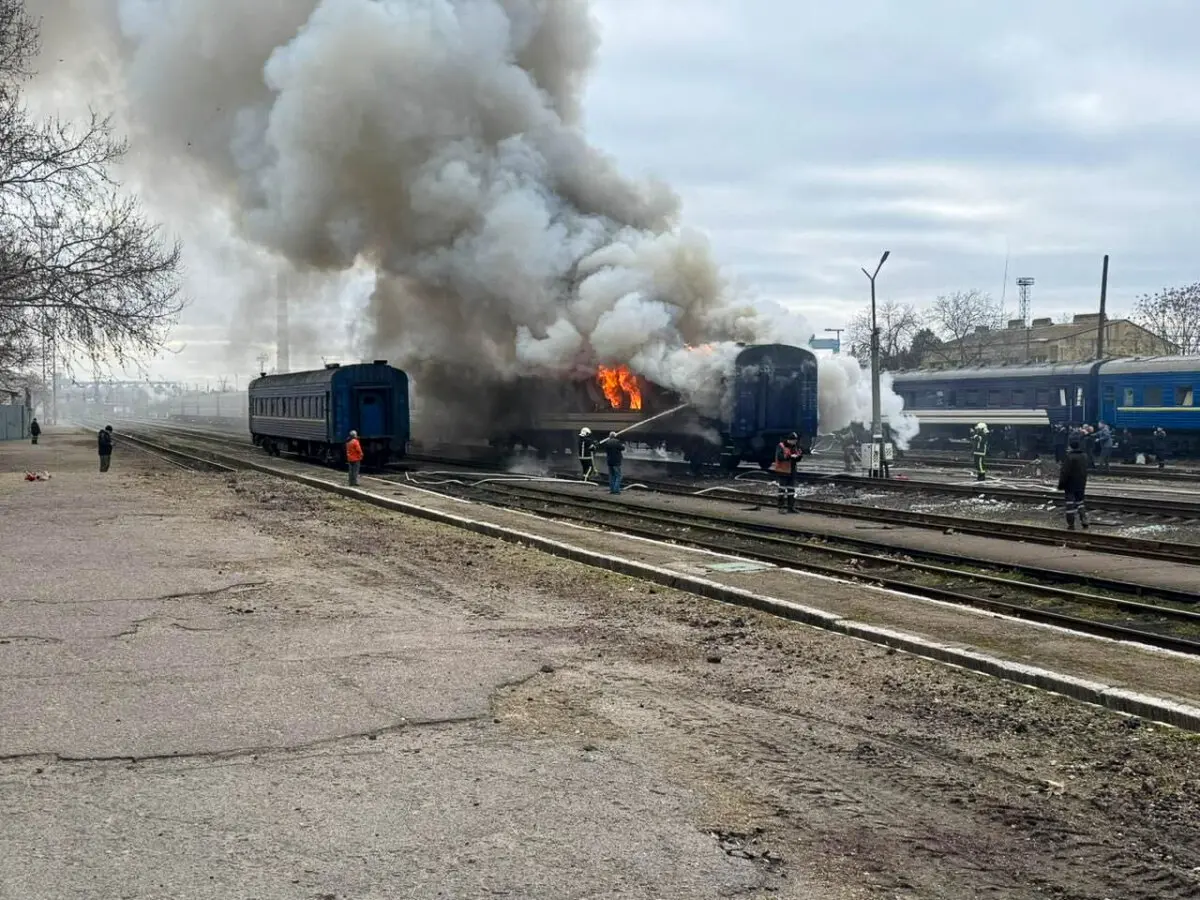
Such actions not only help Ukraine but also enhance the UK’s ability to effectively respond to a future Russian threat, Shen said.
“More importantly, aligning with relevant U.S. sanctions also helps to improve or strengthen cooperation between the UK and the United States,” he said.
Taking such a tough stance this time on the Chinese regime helps improve the image of the Starmer government and demonstrates its resolve, Shen said, as “Starmer is currently facing resistance from within his own Cabinet or pressure to resign.”
China’s Support for Russia’s War
Russia’s capacity to sustain the war is in question, Shen said.
“We’ve observed that Russia has likely depleted about four-fifths of its combat vehicles—even some of its older models have been completely destroyed,” he said.
If support from Chinese companies or related aid for Russia diminishes, it could alter the outcomes on the Russia–Ukraine battlefield, he said.
However, Shen cautioned that the Chinese companies actually have their own ways of coping after being sanctioned.
“For instance, by establishing different subsidiaries in Hong Kong or continuing to provide assistance through other channels,” he said.
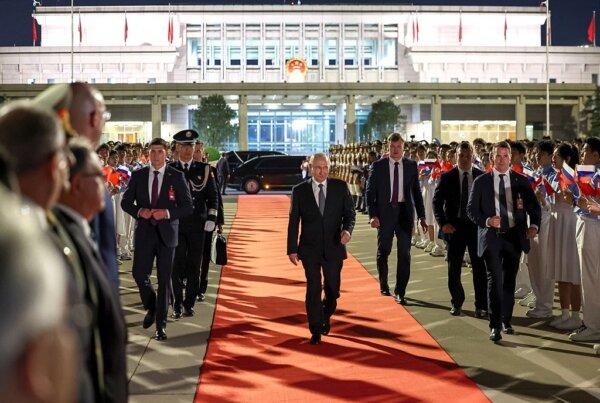
The Chinese Communist Party (CCP) will continue its support for Russia’s war as long as necessary, Fang said.
“However, the result is the weakening of both Russia and the CCP itself,“ he said. ”The CCP is aware of this, so it will not go all out, opting instead to provide only critical support.”
The threat posed by the “axis of evil”—Russia, the CCP, North Korea, and Iran—is diminishing or is gradually being suppressed by U.S. countermeasures, Shen noted.
“Other nations, including the UK, can see that victory is within reach, leading them to choose cooperation with the United States,” he said. “When these countries join forces, it will naturally have a significant impact on Russia.”
Luo Ya and Reuters contributed to this report.