Consumer price index (CPI) inflation rose to 3.4 percent in the 12 months to December 2025, up from 3.2 percent in November, the Office for National Statistics said.
The increase marked a renewed uptick after inflation had cooled for much of the autumn, following a summer peak.
Alcohol and tobacco, along with transport costs, made the largest upward contributions to the monthly rise in both the CPI and CPIH, which includes owner occupiers’ housing costs.
The Bank of England had flagged the likelihood of a temporary rise at the end of the year.
Tobacco, Flights, Food
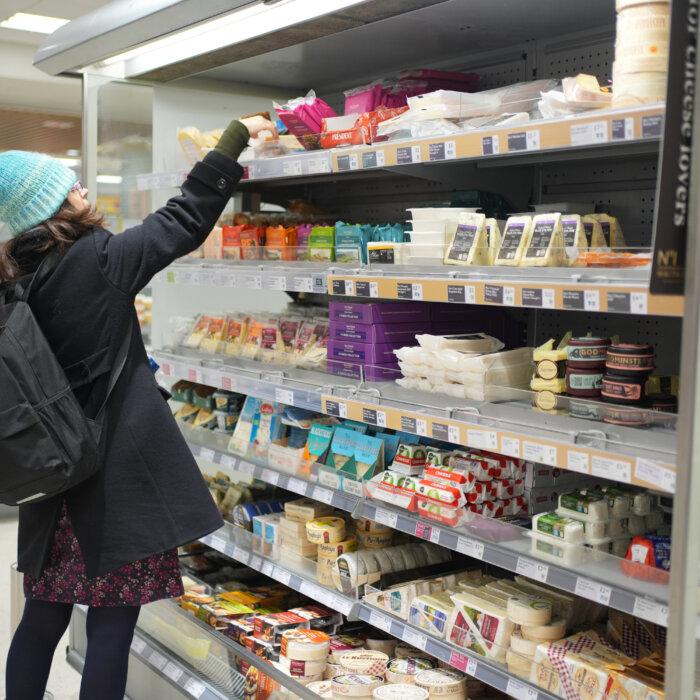
Prices in the alcohol and tobacco category rose by 5.2 percent in the 12 months to December, compared with 4 percent in the year to November.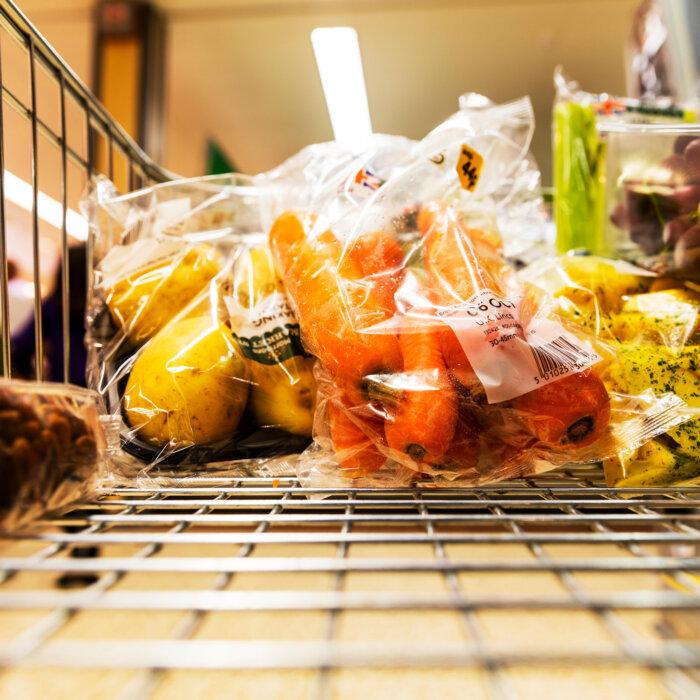
Transport prices rose 4 percent in the year to December from 3.7 percent in November, with a 1.3 percent monthly increase largely driven by higher airfares.
Food and non-alcoholic beverage prices rose by 4.5 percent in the year to December, compared with 4.2 percent in November.
Office for National Statistics Chief Economist Grant Fitzner said the December rise reflected a mix of tax changes and seasonal effects.
“Airfares also contributed to the increase with prices rising more than a year ago, likely because of the timing of return flights over the Christmas and New Year period.”
Fitzner said that rising food costs, particularly for bread and cereals, also pushed prices higher.
Politicians React
Rising grocery bills remain a sensitive political issue, particularly for lower-income households, despite government efforts to ease cost pressures.UK Chancellor Rachel Reeves said on Jan. 21 that the government remains focused on easing household costs.
Opposition figure and Shadow Chancellor Mel Stride said on Jan. 21 that recent economic data pointed to deeper problems.
The latest inflation figures could move the Bank of England to keep interest rates on hold at its next meeting on Feb. 5, with the Bank Rate currently at 3.75 percent.