Home Secretary Yvette Cooper said on Monday that she will ban activist group Palestine Action, saying its “long history of unacceptable criminal damage” now meets the threshold for terrorism under UK law.
If approved by Parliament, an order—due to be laid on June 30—would make it a criminal offence to be a member of, or to express support for, the group.
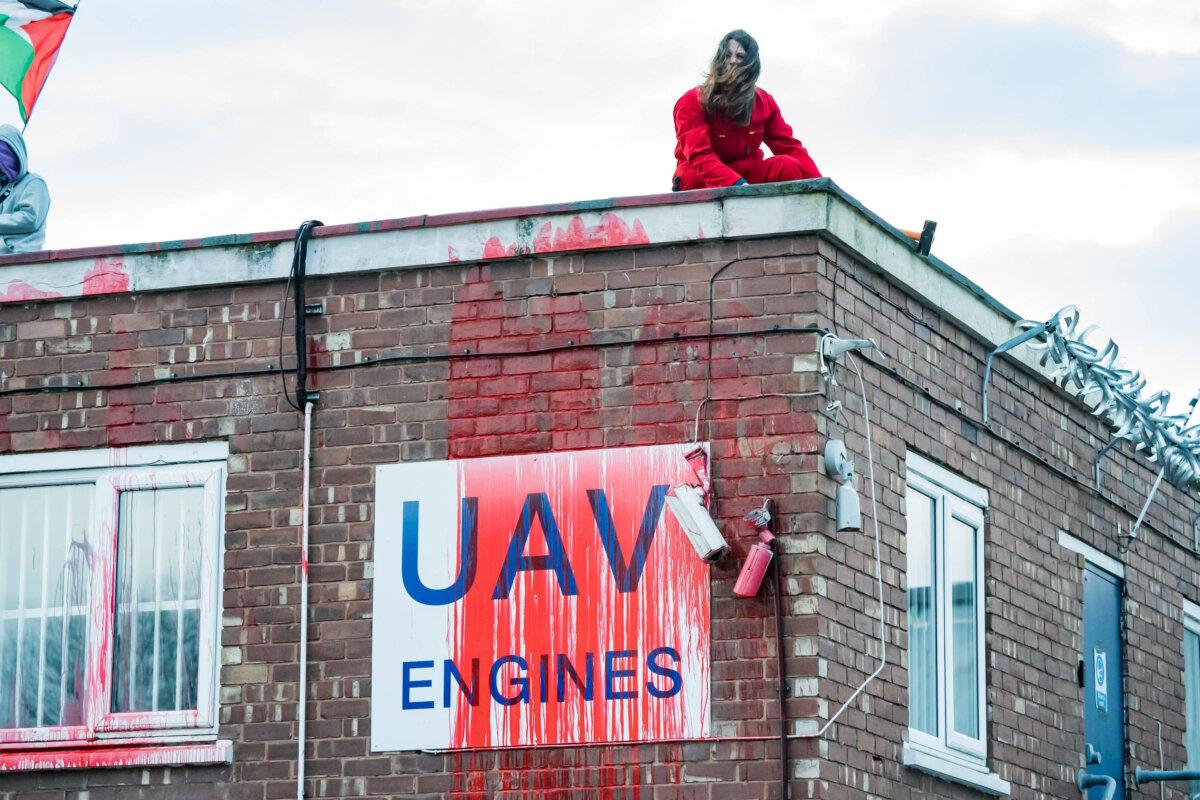
The decision follows what Cooper described as a “disgraceful attack” by the group on Britain’s largest air base, RAF Brize Norton, on 20 June, when two activists sprayed Voyager aircraft with red paint.
The event is under investigation by the Counter Terrorism Policing network.
The Home Office confirmed that law enforcement and intelligence assessments concluded the group’s actions meet the definition of terrorism under the Terrorism Act 2000.
Among the high-profile incidents cited by Cooper was a 2022 attack on the Thales defence plant in Glasgow, which resulted in over £1 million in damages.


She said that the group’s activity has escalated since the beginning of 2024, with members allegedly “demonstrating a willingness to use violence.”
Palestine Action, founded in July 2020, aims to disrupt what it calls the UK’s complicity in the Israeli arms trade.
In response to the government’s proposed ban, supporters of Palestine Action planned a demonstration outside Parliament on Monday.
What a Ban Would Mean
If Parliament approves the proscription order, Palestine Action will be added to Schedule 2 of the Terrorism Act. This would make it illegal to be associated with the group in any capacity, including through membership, public endorsement, fundraising or displaying symbols and slogans.The government would also gain the power to freeze the group’s assets.
Cooper stressed that the ban applies specifically to Palestine Action and does not affect other campaign groups advocating for Palestinians.
Backlash from Civil Liberties Groups, MPs
The move to classify the organisation as a terrorist group has triggered criticism from civil liberties organisations and several MPs.The organisation said these powers “should never have been used to aggravate criminal charges against Palestine Action activists and they certainly shouldn’t be used to ban them.”
Burgon referenced the UK’s historical tradition of non-violent resistance to war, while Whittome warned that targeting non-violent protesters sets a precedent that could be used against other dissenting voices.
Hazzard accused the government of attempting to silence critics through authoritarian means.
Cooper stressed that the right to peaceful protest will remain unaffected.
“It is vitally important that those seeking to protest peacefully, including pro-Palestinian groups, those opposing the actions of the Israeli government, and those demanding changes in the UK’s foreign policy, can continue to do so,” she said.
“The right to peaceful protest is a cornerstone of our democracy. Should Parliament vote to proscribe, that right will be unaffected.”
The proscription order will be debated by MPs and peers in the coming days. Based on recent precedent—such as the swift passage of the Hizb ut-Tahrir ban in 2024—the measure could be approved within a week.