HOUSTON—The United Arab Emirates is calling on multinational corporations and governments to convene an international “working session on the resilience of the global energy system” to address vulnerabilities exposed by Iran’s targeting of neighboring Gulf states’ energy infrastructure and the de facto closure of the Strait of Hormuz.
“Stability does not happen on its own. It must be built deliberately and politically,” UAE Minister of Industry and Advanced Technology Sultan Ahmed Al Jaber told energy company executives, financial analysts, and government officials on March 23, the first day of the 44th annual CERAWeek by S&P Global conference at the Americas Hilton–Houston.
Al Jaber was slated to be among 1,620 speakers at the March 23–March 27 conference but was forced to deliver his address via video from what appeared to be a power plant or oil terminal control room in his country, which is less than 60 miles from Iran and under attack by the Tehran regime.
“That is why I want you all to join us at this level,” he said. “Our commitment is absolute, because energy is not the end goal; it is the foundation for everything that comes.”
Between Feb. 28, when the United States and Israel launched “Operation Epic Fury,” and March 18, the UAE defense ministry reports Iran had launched 314 ballistic missiles, 1,672 drones, and 15 cruise missiles against UAE targets, killing eight people and injuring nearly 160.
The attacks have disrupted the UAE’s capacity to store oil at its Fujairah port hub, forcing at least two terminals to close.
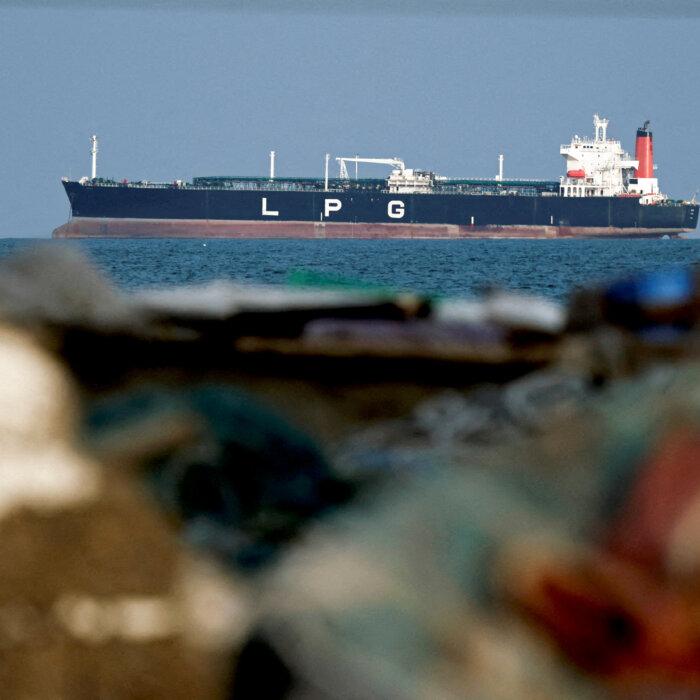
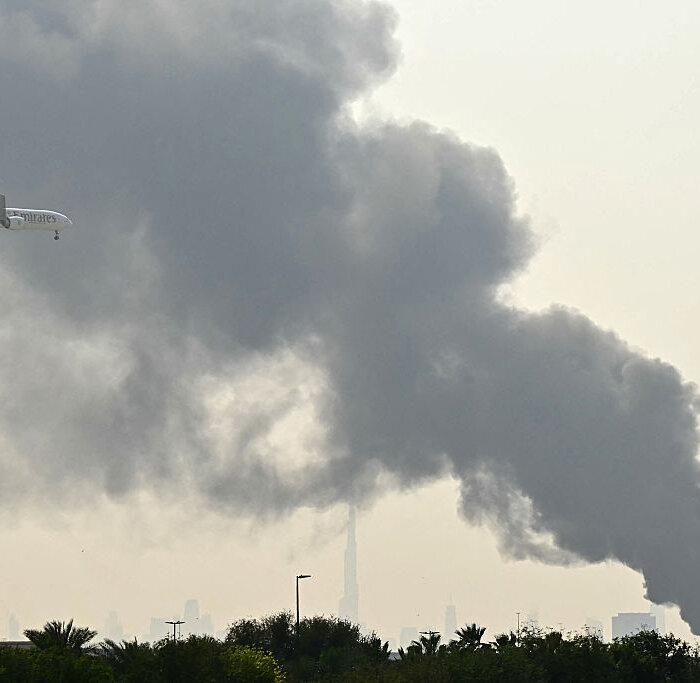
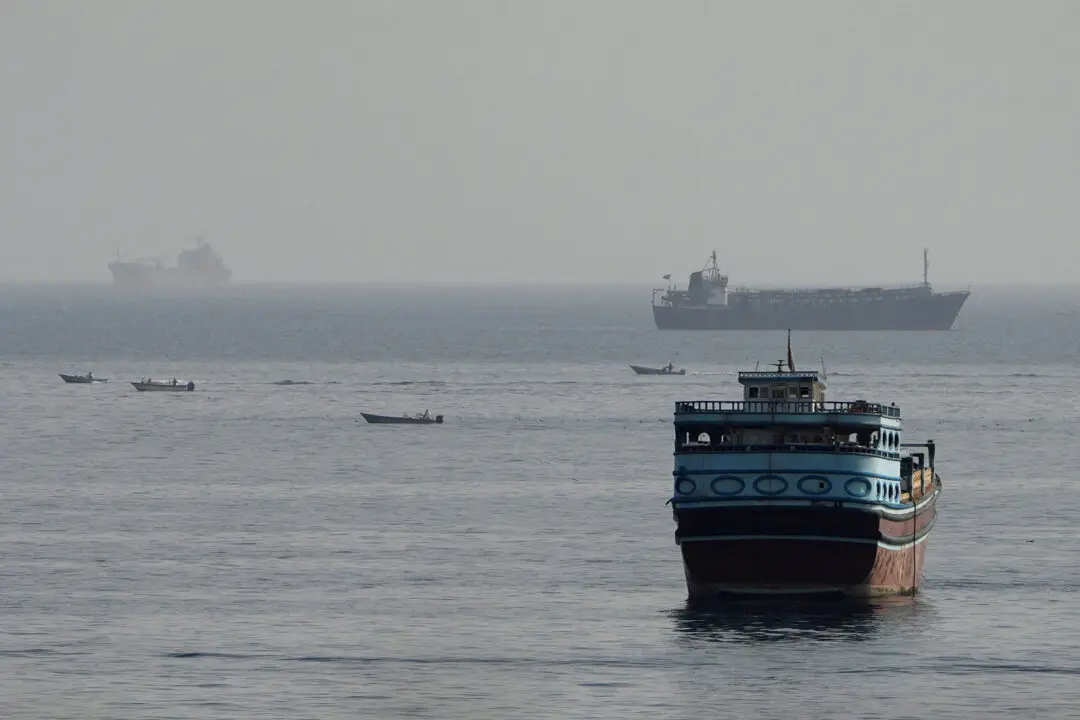
Iran’s threats to attack ships in the Strait of Hormuz have left oil tankers and other commercial ships at anchor in Gulf ports and stacking up in the Arabian Sea.
“Friends, it has been almost a month since my country, the United Arab Emirates, was hit by an attack that was illegal, unjustified, and completely unprovoked,” Al Jaber said.
“We did not ask for this conflict. In fact, we took every possible step to prevent it, but when the moment came, we were ready.”
UAE’s defense forces “are deploying extraordinary measures to keep our people safe,” he said.
“We will continue to defend our nation and our way of life. Our defenses have been tested. Our resilience has been tested. Our character has been tested, and we withstood.”
But the experience underscores a vulnerability that bad actors across the planet are exploiting, Al Jaber said.
“The world’s ... arteries must remain open,” he said, noting 20 percent of the world’s oil and liquified natural gas leaves the Persian Gulf through the Strait of Hormuz.
“In short, the global economy runs through a single throat. And yet, there are those who believe that choking that throat is an acceptable strategy.”
That makes Iran’s threats on strait shipping and attacks on Gulf state energy infrastructure not a regional issue but a global crisis that must be addressed by international consensus, Al Jaber said.
“So let me be absolutely clear,” he said, “weaponizing the state of commerce is not an act of aggression against one nation, it is economic terrorism against every nation, and no country should be allowed to hold [global commerce] hostage, not now, not ever.”
Al Jaber did not elaborate on how a working session on global energy system resilience would enhance the security of key chokepoints, but said “our doors are wide open” in developing solutions with international partners.
“Energy Security is not just a slogan,” he said, “it’s the difference between lights on and lights off.”