Family members of the victims of one of Canada’s worst mass shootings are suing OpenAI and its CEO Sam Altman in a California court, and will likely be seeking more than US$1 billion in damages, a lawyer handling the case says.
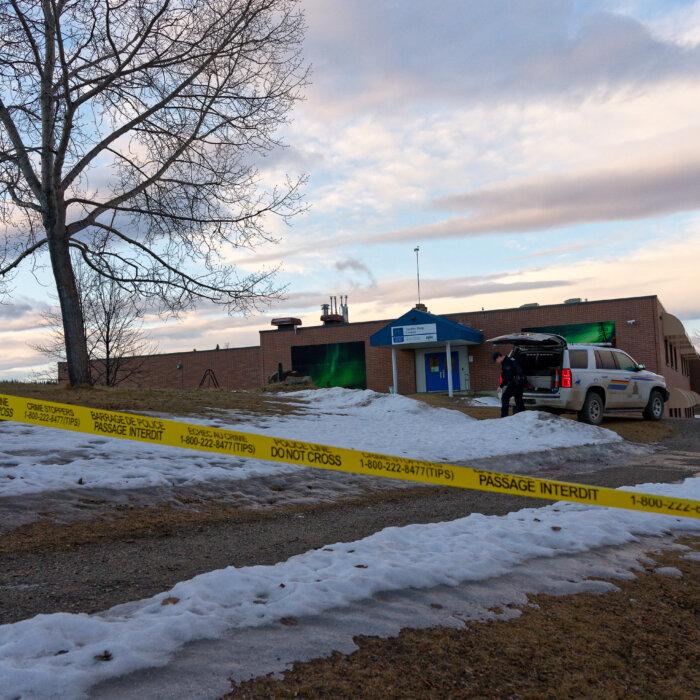
Several lawsuits were filed in a San Francisco court on April 29, two-and-a-half months after the Feb. 10 shooting in Tumbler Ridge, B.C., that left nine people dead and 27 injured.
The lawsuits allege wrongful death, negligence, and product liability, and accuse OpenAI leaders of aiding and abetting the shooting, saying they failed to notify police after flagging disturbing content from the shooter. It alleges the artificial intelligence company kept quiet because contacting the authorities would have revealed the extent of violence-related dialogue on its ChatGPT platform, potentially threatening the firm’s pursuit of a nearly $1 trillion initial public offering.
One of the wrongful death plaintiffs is the father of Abel Mwansa Jr., one of the five Grade 7 students killed at Tumbler Ridge Secondary School.
A lawsuit has also been launched on behalf of 12-year-old Maya Gebala, who was the most severely injured of the surviving victims. She was shot three times at close range with one bullet entering her head above her left eye, a second striking her neck, and the third grazing her cheek and earlobe, leaving her with serious brain injuries.
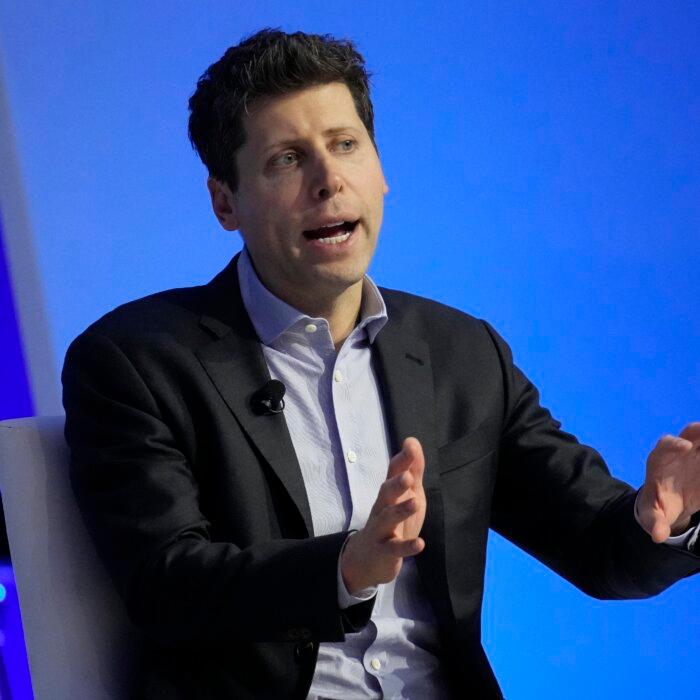
Canadian lawyer John Rice said his clients will be represented in the United States by a Chicago law firm run by Jay Edelson, who specializes in plaintiffs’ class and mass action litigation. The firm has previously represented a number of clients in wrongful death cases against OpenAI.
Edelson has said he plans to file an additional two dozen lawsuits in the coming weeks against the company on behalf of other people impacted by the shooting.
Rice said the goal of the lawsuit is to ensure there will never again be an “AI-predicted and facilitated mass shooting.”
OpenAI Actions and Apology
OpenAI contacted police after 18-year-old Jesse Van Rootselaar killed eight people and injured 27 others on Feb. 10 before committing suicide. The firm said the killer’s ChatGPT account was deactivated last June, but noted that the shooter circumvented this restriction by opening a second account.The account was not brought to the attention of the RCMP until after the Feb. 10 shooting because the company did not identify “credible“ or ”imminent” planning for potential real-world violence when it banned the account last summer, OpenAI said in a Feb. 26 letter to Artificial Intelligence Minister Evan Solomon.
Van Rootselaar killed his mother and 11-year-old half-brother in their home in the community, then went to Tumbler Ridge Secondary School, and fatally shot five students and a teacher’s aide, and critically wounded Maya and another student. The teen was found dead at the scene with what the RCMP have described as a long gun and modified handgun, bringing the final death toll to nine.
Altman apologized last week on behalf of the company for failing to contact police.
She described OpenAI’s decision to not notify police about the shooter’s use of its ChatGPT chatbot as playing “a game of chance with our community where we were the only people who could ever lose.”
“A simple phone call could have prevented this,” Edmonds said, adding, “Why were you so scared to make this one? Tumbler Ridge sees your “apology”, Sam. We do not accept it.”
One of the lawsuits says that OpenAI’s automated systems flagged ChatGPT conversations last June in which Van Rootselaar described gun violence scenarios.
Safety team members recommended contacting the police after concluding Van Rootselaar presented a credible and imminent threat, but Altman and other OpenAI leadership overruled them and the call was never made, the complaint said.
The victims and their families also contend that OpenAI deliberately chose not to inform the police because implementing adequate safety measures to ChatGPT would result in a loss of market share for the company. The plaintiffs also allege that the deactivation of the shooter’s account was deceptive because the company offered guidance on how users can create new accounts.
“Those instructions were no accident,” the lawsuit says. “Neither were the missing safeguards. They are part of a pattern. After every tragedy, OpenAI promises to do better. But it never promises to do the one thing that would actually make a difference: stop ChatGPT from engaging with users about violence and self-harm in the first place.”