U.S. Secretary of State Marco Rubio said on July 23 that U.S. President Donald Trump’s policy toward Iran is “a head for an eye,” warning that Tehran will face an increasingly heavy price while urging Tehran—and Iran-aligned Houthi terrorist forces—to deescalate their attacks on Middle East shipping.
“The president’s policy is ‘a head for an eye,’” Rubio told reporters on the sidelines of a summit of Southeast Asian nations in Manila, Philippines. “I mean, honestly, that’s what it’s going to be.”
His remarks came a day after Iranian Foreign Minister Abbas Araghchi described Tehran’s defense doctrine as “an eye for an eye” and warned that any attack on Iranian infrastructure would trigger a “powerful and decisive response.”
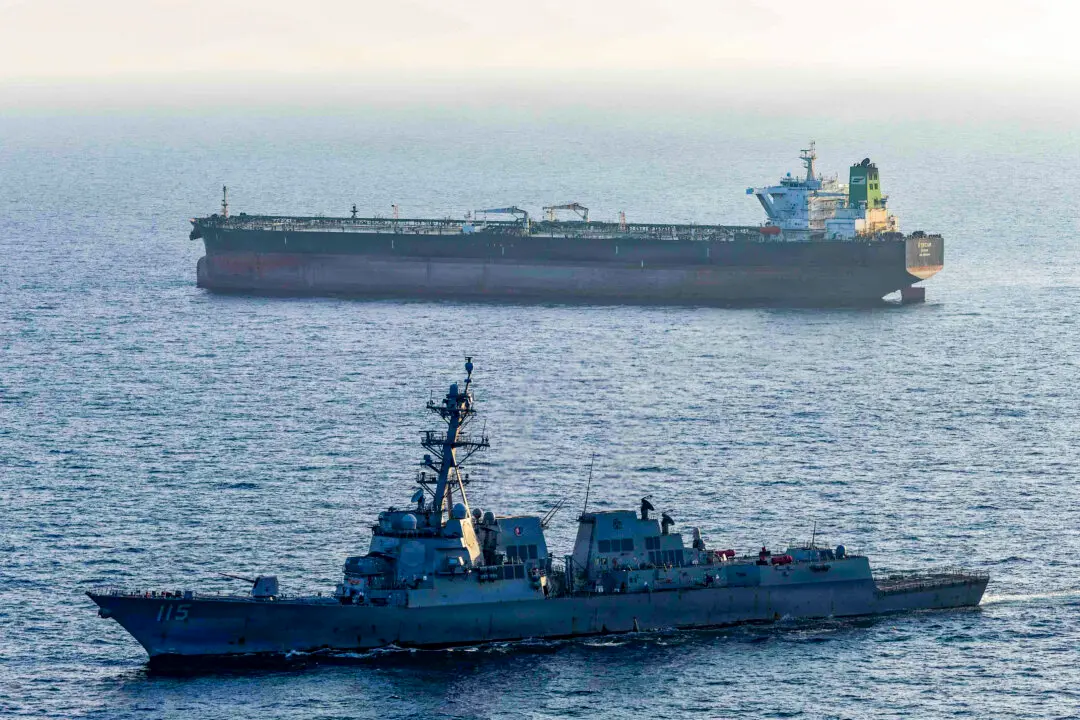
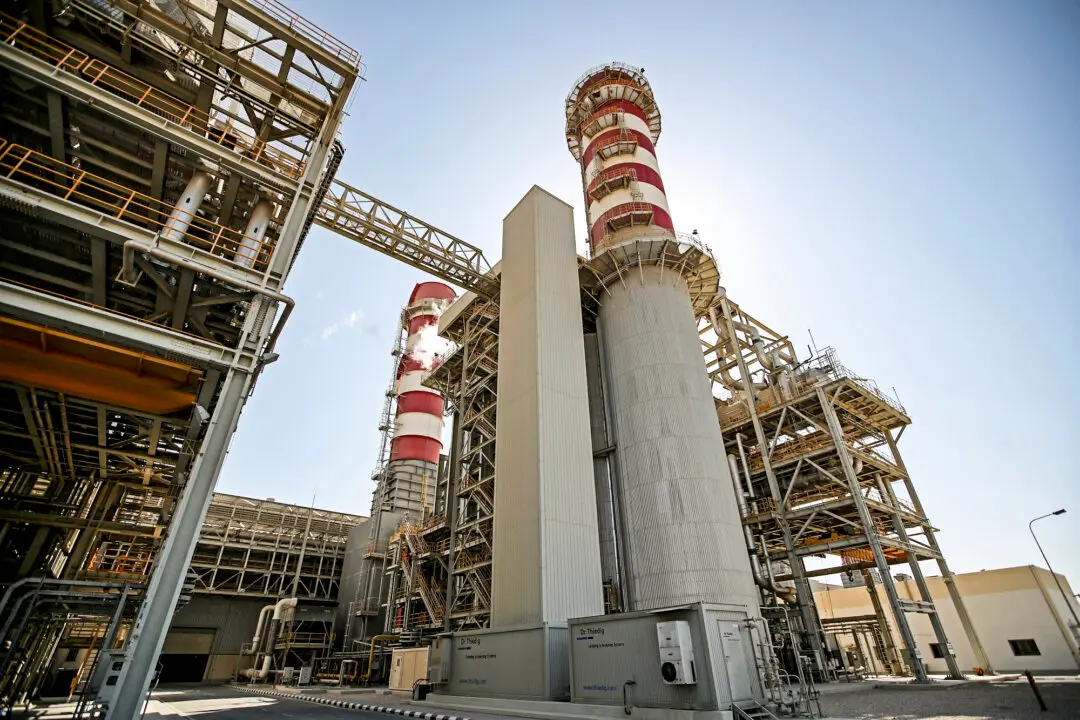
Trump issued his own warning on July 22, saying that the United States would destroy an Iranian bridge or power plant each time Tehran attacked a vessel in the Strait of Hormuz.
“From this point forward, any time the Islamic Republic of Iran shoots at a ship in the Strait of Hormuz, whether it be by Missile, Rocket, Drone, or any other device or weapon, the United States will bomb and destroy one bridge or power plant,” Trump wrote on Truth Social.
The president said the targets could include infrastructure in or near Tehran.
On the same day Trump issued the warning, the UK Embassy in Tehran ordered its embassy staff temporarily withdrawn, citing the “security situation.”
The U.S. Embassy in Baghdad, meanwhile, on July 23 cited escalating tensions in the Middle East and the “potential for unexpected escalation.” It urged American citizens in the region to take extra precautions, noting that U.S. diplomatic facilities—including those located in other parts of the world than the Middle East—have been targeted.
“Iran and its affiliated groups may target other U.S. interests abroad or sites associated with the United States and American citizens in various parts of the world, including American companies and other institutions,” the U.S. Embassy said in a post on X.
‘Not Ready to Make a Deal’
Rubio said on July 23 that Iran had approached the United States both directly and indirectly about a possible agreement but had not shown that it was prepared to honor one.
“Iran is begging us, both directly and indirectly, let’s do a deal, let’s talk,” he said.
“Iran is begging every day.
“The problem with Iran is every time they make a deal, the people who are in charge there, they either break it, or they want to change it. So it looks like they’re not ready to make a deal, so they’re going to continue to pay a price.
“Every night the price gets higher and higher and higher. Maybe in a few days they’ll be ready to make a deal once they realize this is not a winning proposition for them.”
Trump offered a similar assessment during a recent rally, saying that Iran wanted an agreement but was “not ready” because its leaders repeatedly sought to change the terms of deals.
Houthis Enter the Conflict
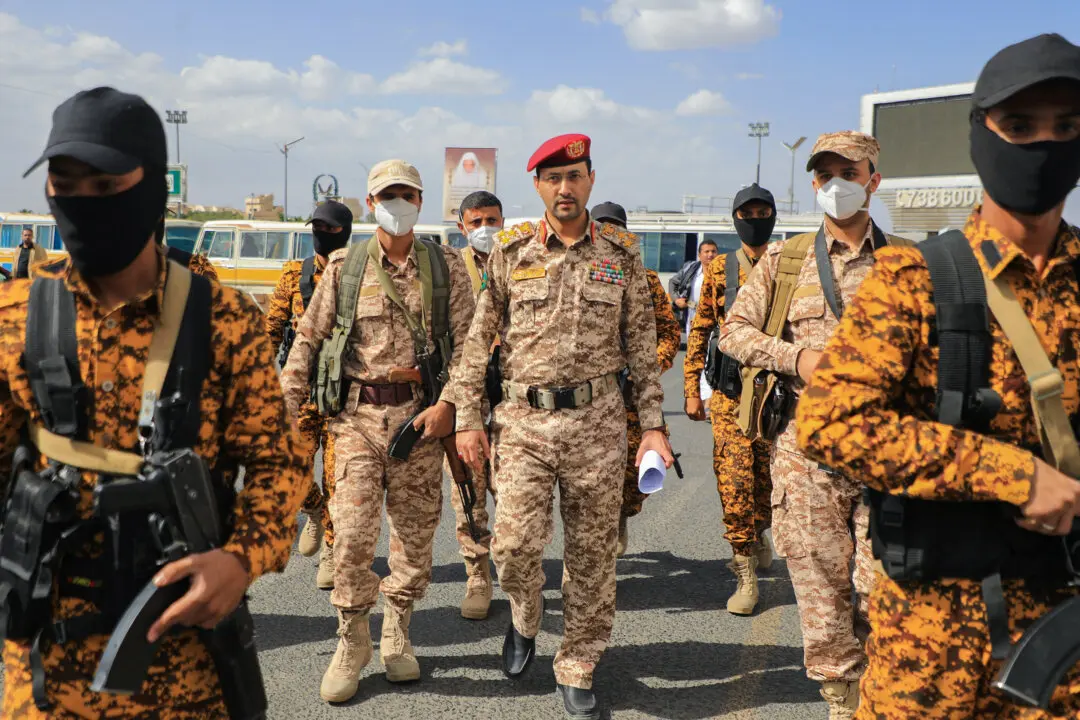
Rubio also accused Iran of drawing Yemen’s Houthi forces into the conflict after the terrorist group claimed attacks on two Saudi oil tankers in the Red Sea.
“The Houthis largely were smart and stayed out of all this throughout the conflict, but they now apparently have gotten themselves suckered into this, going after Saudi Arabia and their ships,” he said.
“I hope they will de-escalate, because I think the Houthis, frankly, got snookered into this thing by the Iranians.”
The UK Maritime Trade Operations said a tanker caught fire off Saudi Arabia’s Red Sea coast after being struck by an unidentified projectile.
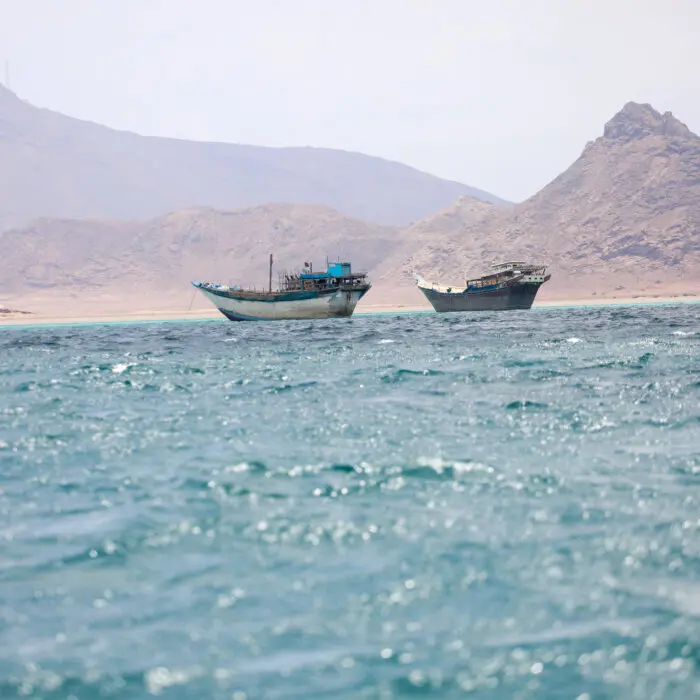
The attacks followed the Houthis’ declaration of a naval blockade against Saudi Arabia, threatening to disrupt shipments through the Bab el-Mandeb Strait while Iran restricts traffic through the Strait of Hormuz.
Oil prices climbed to their highest levels in more than a month on July 23 as traders weighed the possibility of simultaneous disruptions at two of the world’s most important energy choke points.
Brent crude futures rose by $4.89, or 5.16 percent, to $100.36 per barrel by 10:13 a.m. ET, while U.S. West Texas Intermediate crude climbed by $4.84, or 5.6 percent, to $91.40—in both cases the highest levels since early June.
A renewed U.S. campaign against the Houthis could strain American military resources already committed to operations against Iran, according to current and former U.S. officials.
“You’re bifurcating your admittedly fairly robust resources in the region between two active fronts,” said Jason Campbell, a former senior Pentagon official who is now with the Middle East Institute.
More than 20 U.S. Navy warships and hundreds of American military aircraft are currently operating in the Middle East, with additional forces heading to the region.
“More than 50,000 U.S. service members are operating across the Middle East and remain highly vigilant, focused, lethal, and ready,” U.S. Central Command said on July 23.
“If they’re serious, we’re serious,” he said. “If they’re not, then we will do what is necessary to protect ... our interests, and also the interests of our allies.”