Ukrainian President Volodymyr Zelenskyy revealed Thursday that key security guarantees for his country have been completed after talks with U.S. President Donald Trump, but agreements regarding territory cessations have not been realized as Russia’s war in Ukraine grinds into its fourth year.
The meeting, which took place in Davos amid the World Economic Forum, represents the most recent in a number of discussions between the two leaders since Trump’s return to the White House last year. Both described the talks in a positive light, a step toward ending Europe’s bloodiest conflict since World War II.
“I think that [Russian] President [Vladimir] Putin would like to make a deal. I think that President Zelenskyy would like to make a deal,” he said, attributing past stalls to mismatched timing.
“There were times when Putin didn’t want to make a deal, times when Zelenskyy didn’t want to make a deal, and it was like opposite times. Now I think they both want to make a deal, but we’ll find out.
“I think the meeting with President Zelenskyy was good. It’s an ongoing process.”
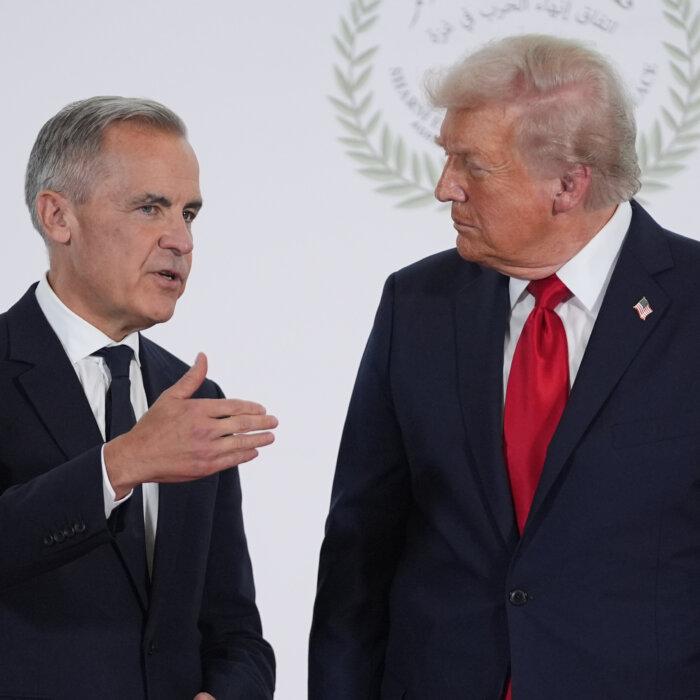

When asked about his message to Putin, Trump replied, “The war has to end.”
Zelenskyy underscored progress in numerous respects, such as the upcoming trilateral negotiations between Ukraine, Russia, and the United States set in Abu Dhabi, United Arab Emirates, on Friday and Saturday. The Ukrainian leader also noted that an agreement on economic recovery post-war is nearly finalized, countering earlier U.S. proposals he said favor Moscow.
U.S. Special Envoy Steve Witkoff, speaking at the forum earlier Thursday, expressed optimism.
“If both sides want to solve this, we’re going to get it solved,” he said.
The developments come as Ukraine struggles with energy shortages due to an onslaught of Russian airstrikes, exposing millions to the elements due to no power or heat as subfreezing conditions persist.
Zelenskyy accused Putin of attempting to freeze Ukrainians to death and pointed toward Trump’s operation against Venezuelan leader Nicolás Maduro—who was captured in Caracas by the U.S. military and is now facing drug trafficking charges in New York—questioning why Putin isn’t facing similar accountability.
Financial markets reacted positively, with Ukraine’s international bonds rising more than 2 cents Thursday on renewed hopes for a resolution.
Russian airstrikes killed a 17-year-old in Odesa and wounded 11 in Kryvyi Rih, according to local officials. In Kyiv, upwards of 3,000 high-rises lacked heating following recent attacks.
Trump on Wednesday indicated the parties were closing in on a deal.
“I think I can say that we’re reasonably close,” he told reporters.
Putin confirmed his meeting with Witkoff and Kushner, slated for after 7 p.m. Moscow time, to address settlement terms and the use of frozen Russian assets for reconstruction.