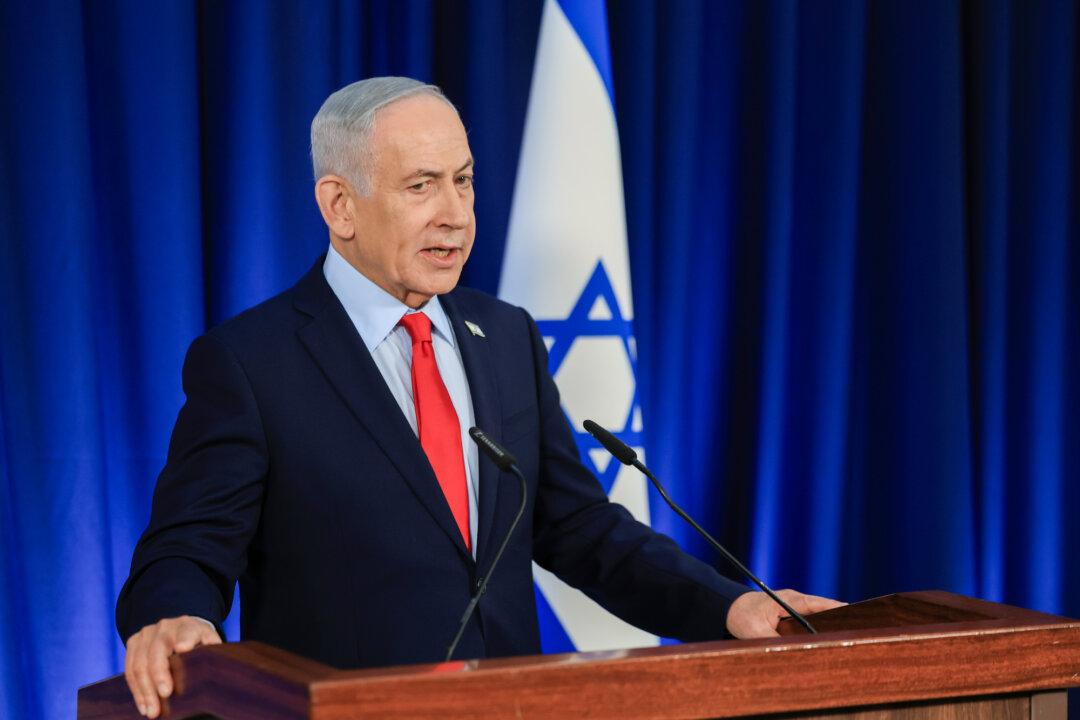
U.S. President Donald Trump is expected to meet Israeli Prime Minister Benjamin Netanyahu on Dec. 29, extending a series of high-level talks that have focused on the future of Gaza and regional security threats.
The Epoch Times contacted the White House for confirmation of the meeting but did not receive a response by the time of publication.
Netanyahu’s visit marks his sixth meeting with Trump this year, according to Israeli Ambassador to the United Nations Danny Danon, who described the trip as a sign of enduring ties between the two allies.
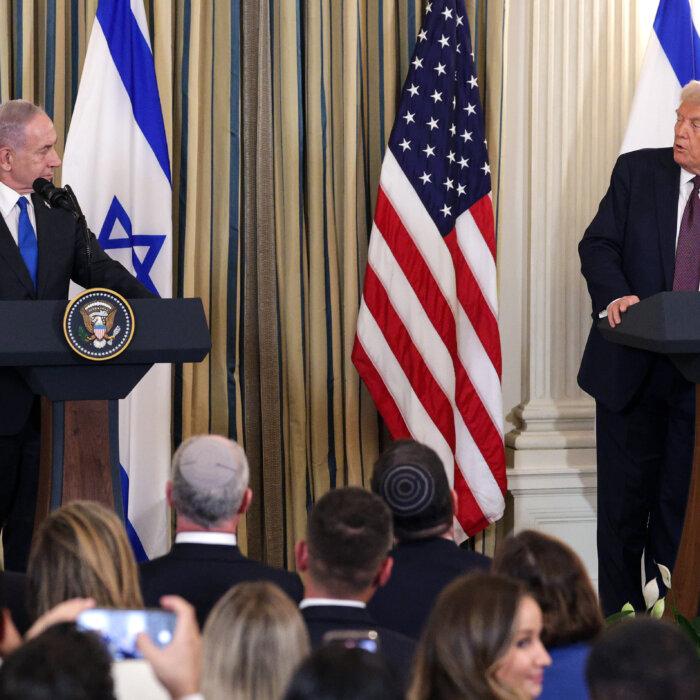
Trump and Netanyahu have met repeatedly in both Israel and the United States in 2025, holding joint press conferences and private talks that have centered on Gaza and the October cease-fire that paused more than two years of fighting between Israel and Hamas.
Netanyahu’s office said at the time that a visit with Trump would take place “in the near future.”
Earlier this month, Netanyahu said the cease-fire agreement brokered between Israel and Hamas two months ago was approaching its next scheduled phase, though implementation remains uncertain amid mutual accusations of violations.
That phase, he said, would include disarming Hamas and demilitarizing Gaza, with the process possibly beginning by the end of December.
Netanyahu, on the same day, stressed that disarming Hamas was essential, more than two years after the terrorist group launched attacks on Israel that killed more than 1,200 people and resulted in more than 250 hostages being taken, including U.S. citizens.
Despite those statements, Israel and Hamas have accused each other of major breaches of the deal, and progress toward the more complex second phase has appeared limited.
Hamas has refused to disarm and has not returned the remains of the last Israeli hostage.
Israel has warned it will resume military action if Hamas does not comply with the agreement voluntarily.
Gaza Governance Plan
Rubio said on Dec. 19 that Washington wants a transitional administration for Gaza established quickly, as outlined in Trump’s plan for the territory.He said the plan envisions a Board of Peace and a governing body composed of Palestinian technocrats, to be formed before the deployment of an international security force authorized by a Nov. 17 U.N. Security Council resolution.
Iran and Regional Security
Netanyahu has indicated that discussions with Trump could also include Iran and wider regional threats, even as Gaza remains the central focus.“Obviously, it will become an item in our discussions, but I have to tell you that I think the focus will be on Gaza the next stage, and on other issues that engages from the other Hs,” Netanyahu said, referring to the terrorist groups with names that begin with the letter H. “We have Hamas, but we also have Hezbollah, and our desire to see a stable and sovereign Lebanon, and of course, the Houthis as well that are blocking international shipping that affects Greece, affects Cyprus, and affects us as well.”
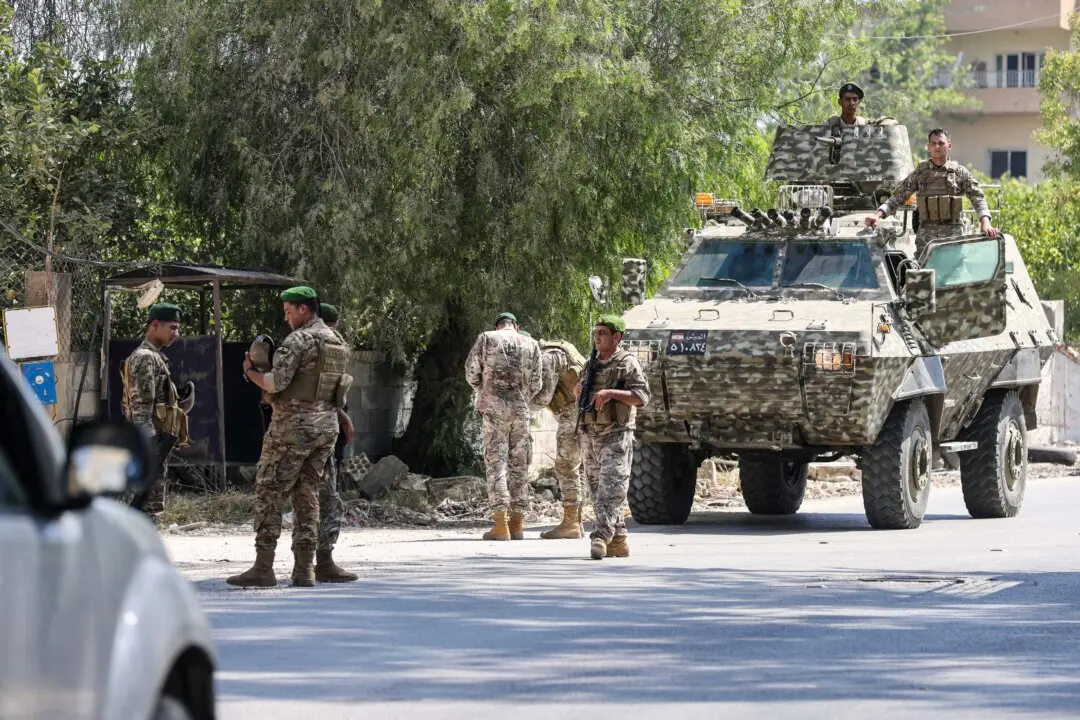
The United States, which designated Hezbollah a terrorist organization in 2014, has led diplomatic efforts to prevent renewed fighting while emphasizing Israel’s security concerns. However, tensions have persisted, with Israel retaining positions inside Lebanon and conducting airstrikes it says are aimed at preventing Hezbollah from rearming.
Trump ordered U.S. strikes on Iranian nuclear sites in June but has since floated the possibility of renewed diplomacy with Tehran.
Netanyahu has said Israel does not seek a direct confrontation with Iran but is closely monitoring Tehran’s actions.
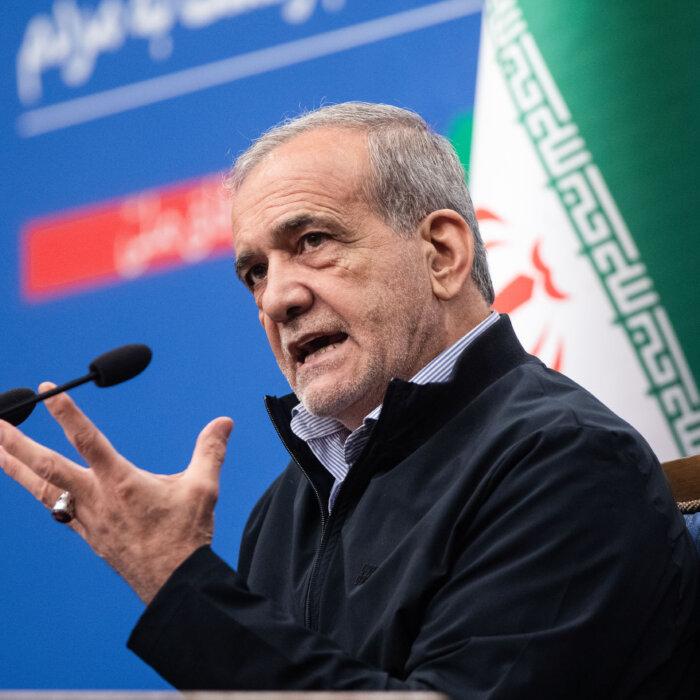
He said he was aware of Pezeshkian’s remarks and would bring Iran’s activities to Trump’s attention during their meeting.