


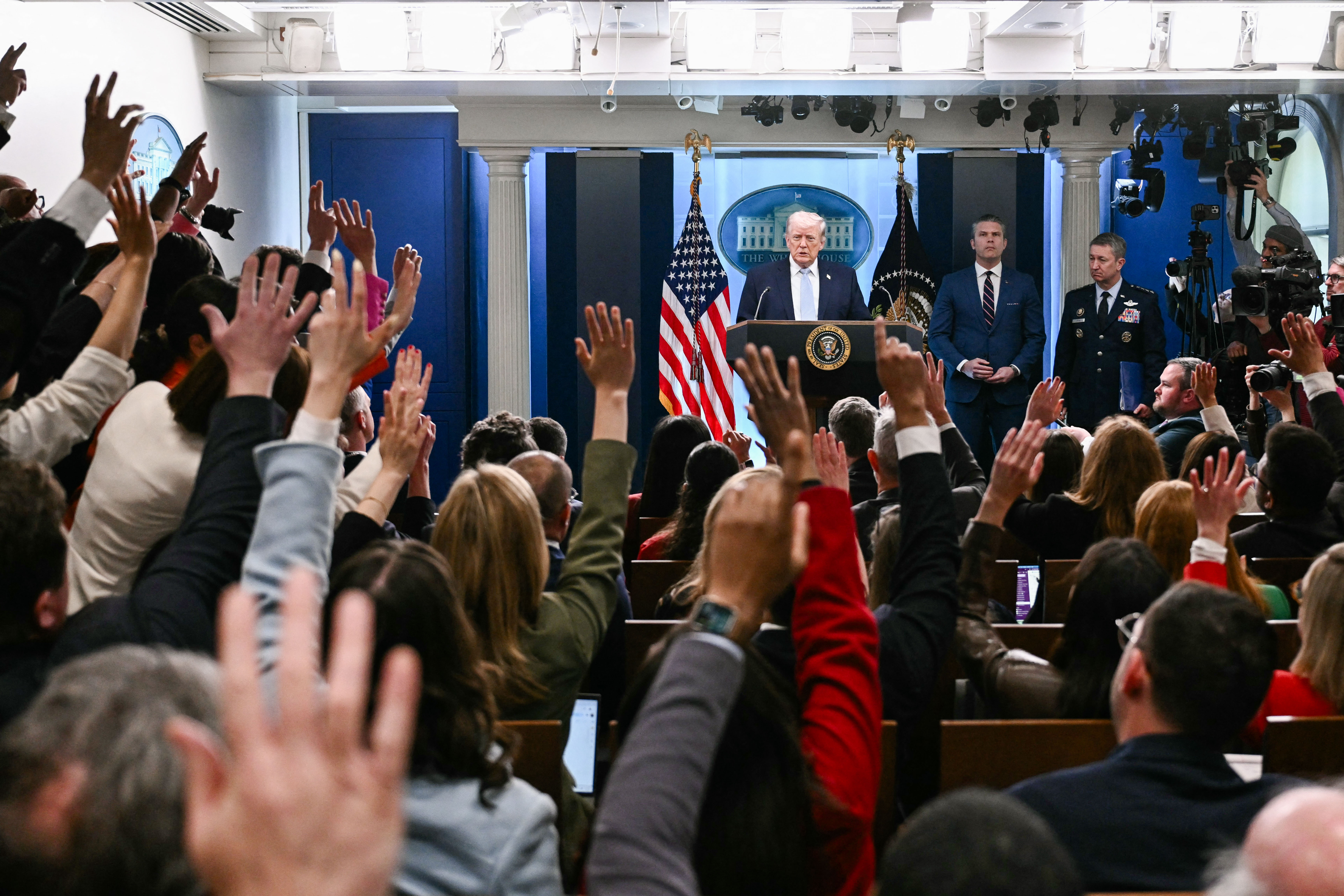


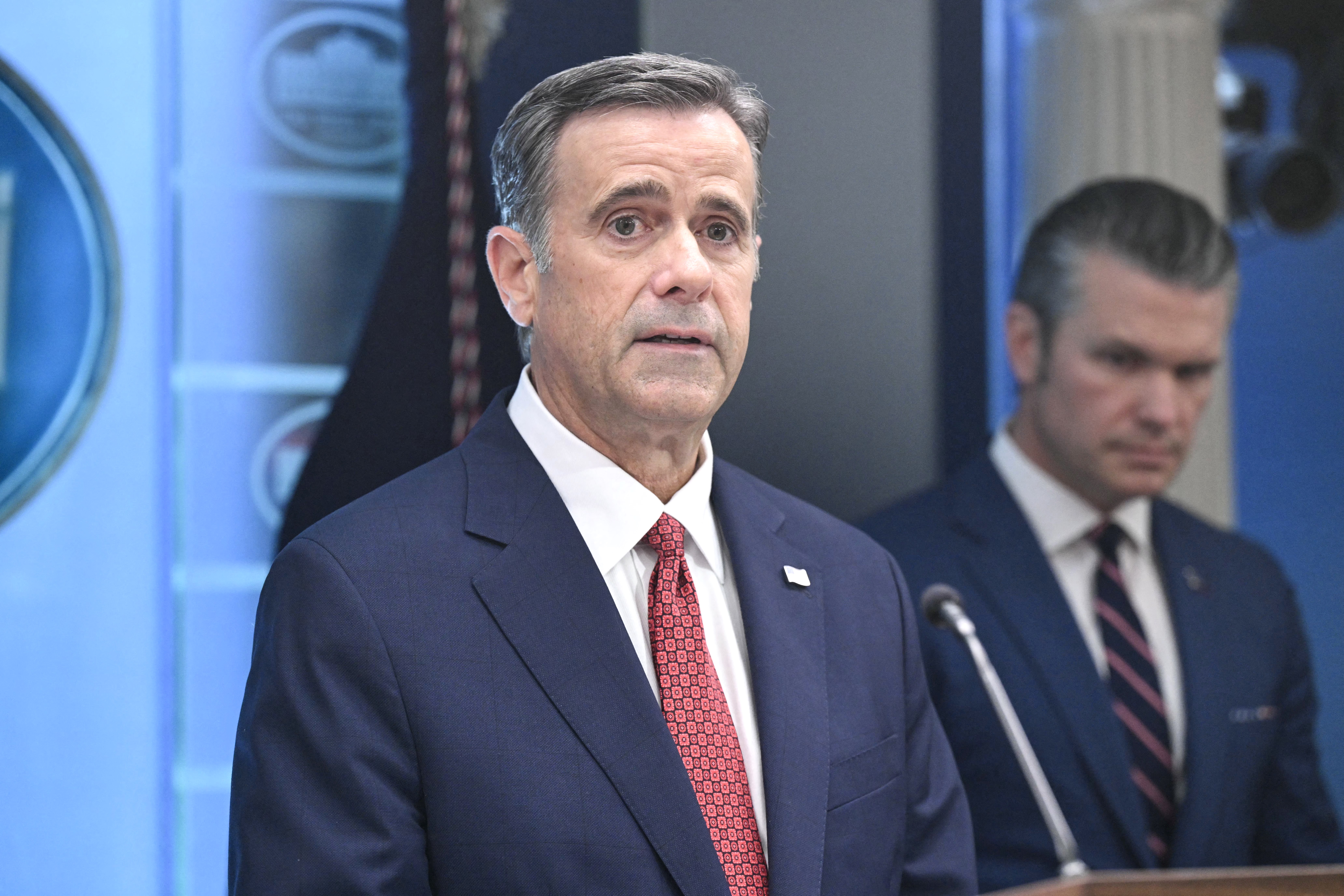
CIA Director John Ratcliffe said in a press briefing on April 6 that the agency used classified capabilities over the weekend to locate and rescue a U.S. weapons system officer who was shot down deep behind enemy lines in Iran.
Although he said he could not discuss these methods in detail, Ratcliffe explained that the CIA has “unique” capabilities, which only President Donald Trump can deploy.
“We deployed both human assets and exquisite technologies—that no other intelligence service in the world possesses—to a daunting challenge, comparable to hunting for a grain of sand in the middle of a desert,” Ratcliffe said.

The U.S. war with Iran could cost as much as $47 billion from the end of February to the end of April, according to a recent prediction from the Penn Wharton Budget Model.
The Ivy League college estimated that the conflict cost between $27 billion and $28 billion in the first 32 days, adding that the “projected two-month direct costs” would range between $38 billion and $47 billion if fighting continues through the end of the month.
Another $5 billion could be incurred due to indirect costs or possible interest costs if the war is being financed by deficit spending, it said.


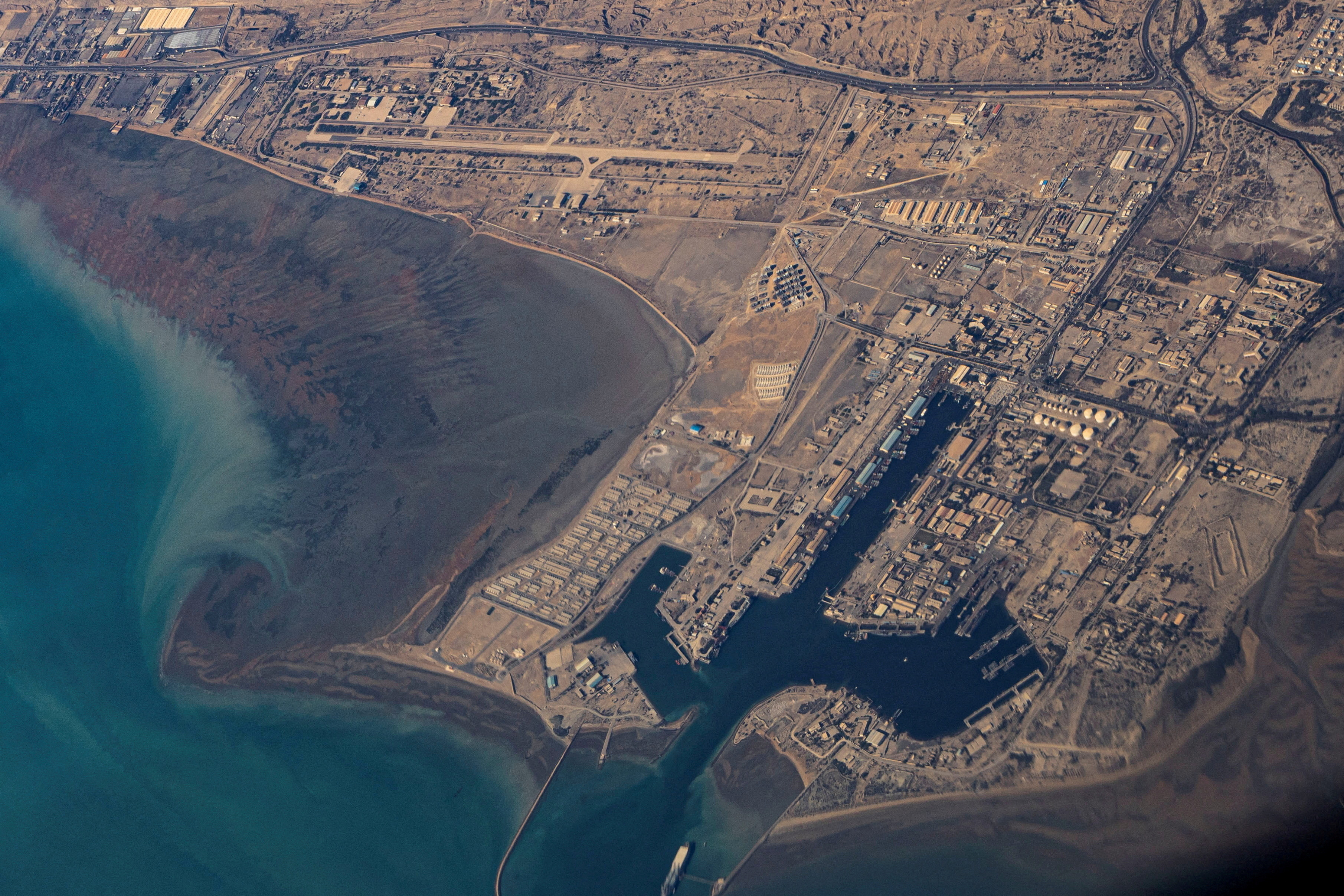
The Iranian foreign ministry has said that vessels associated with the United States or Israel will be blocked from transiting the Strait of Hormuz, ahead of an April 7 deadline from U.S. President Donald Trump, who has warned the country’s power plants and bridges could be struck if the Strait of Hormuz is not fully reopened.
During an April 6 press conference, Iran’s Ministry of Foreign Affairs spokesman Esmaeil Baqaei said that Tehran won’t allow what it deems enemy vessels to pass through the strait, according to Tasnim, a news agency affiliated with the Islamic Revolutionary Guard Corps (IRGC).
Ships that are deemed by the regime to be non-hostile may be able to transit the strait, he suggested, adding that preparations are underway to make sure those vessels can pass. Iran has previously attacked ships in the waterway and around the Middle East, claiming they are linked to the United States and Israel.
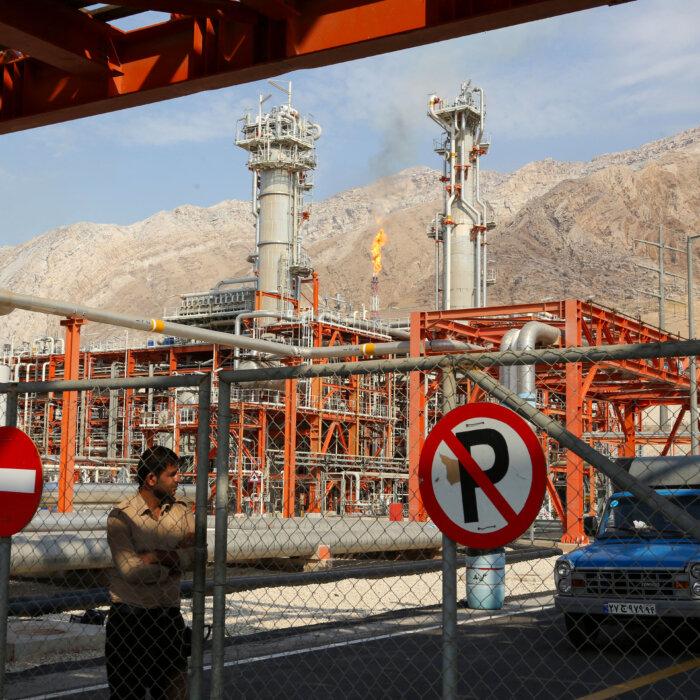
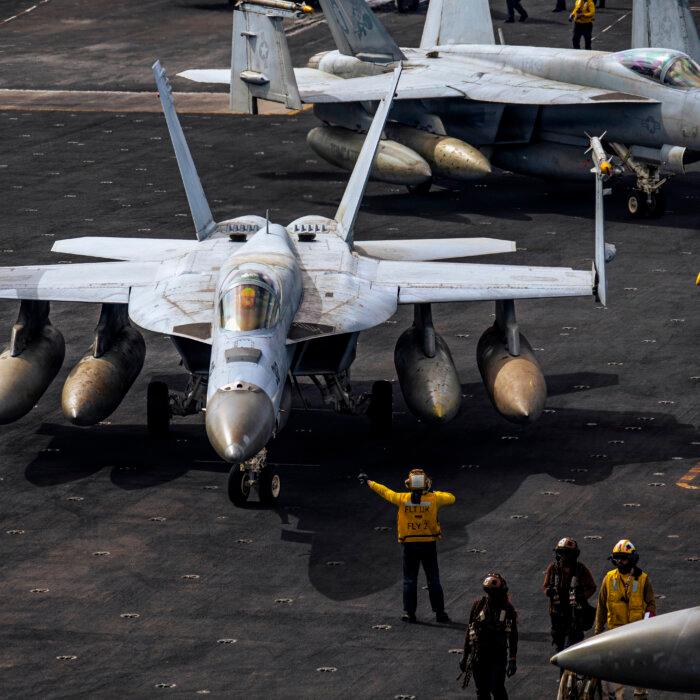


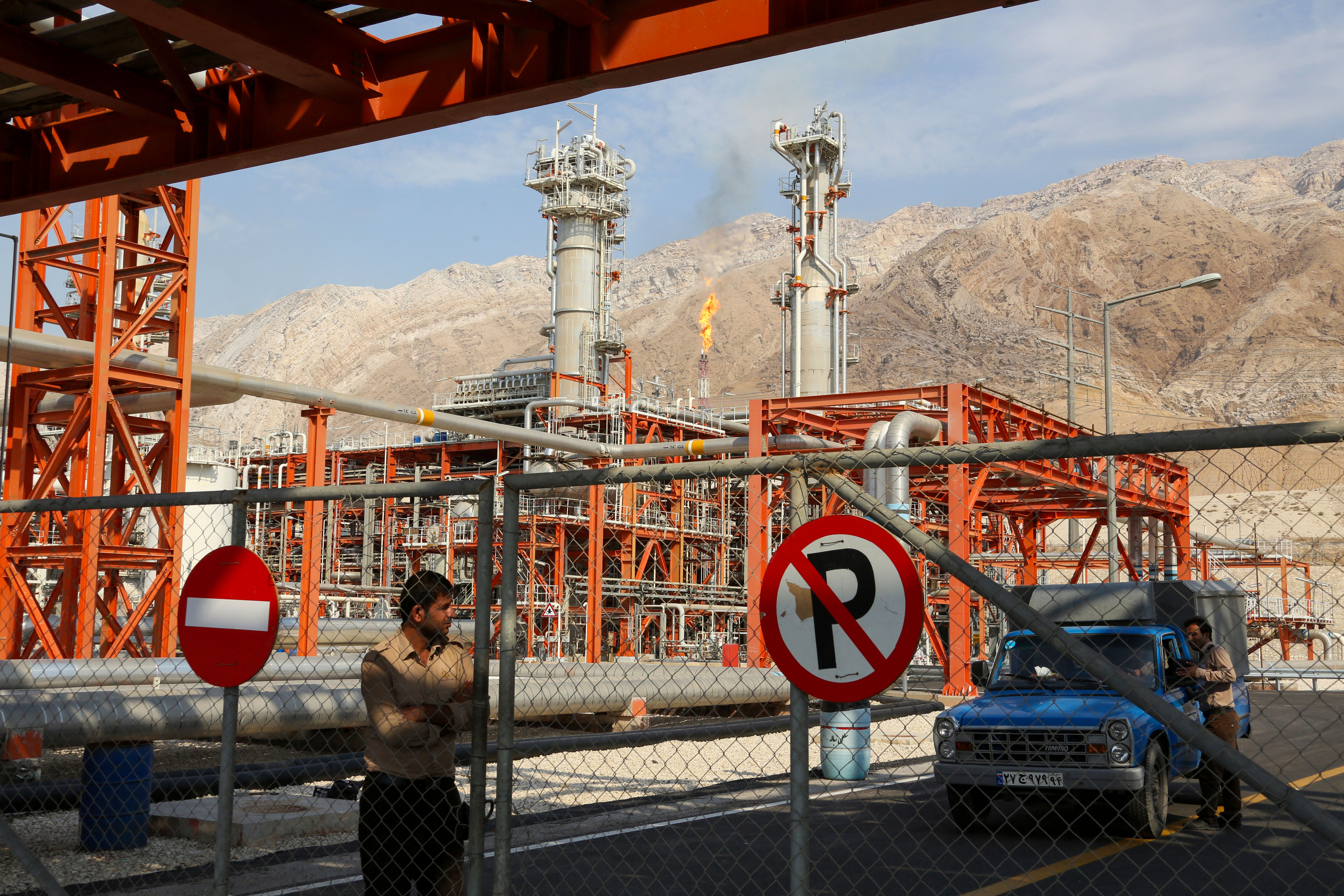
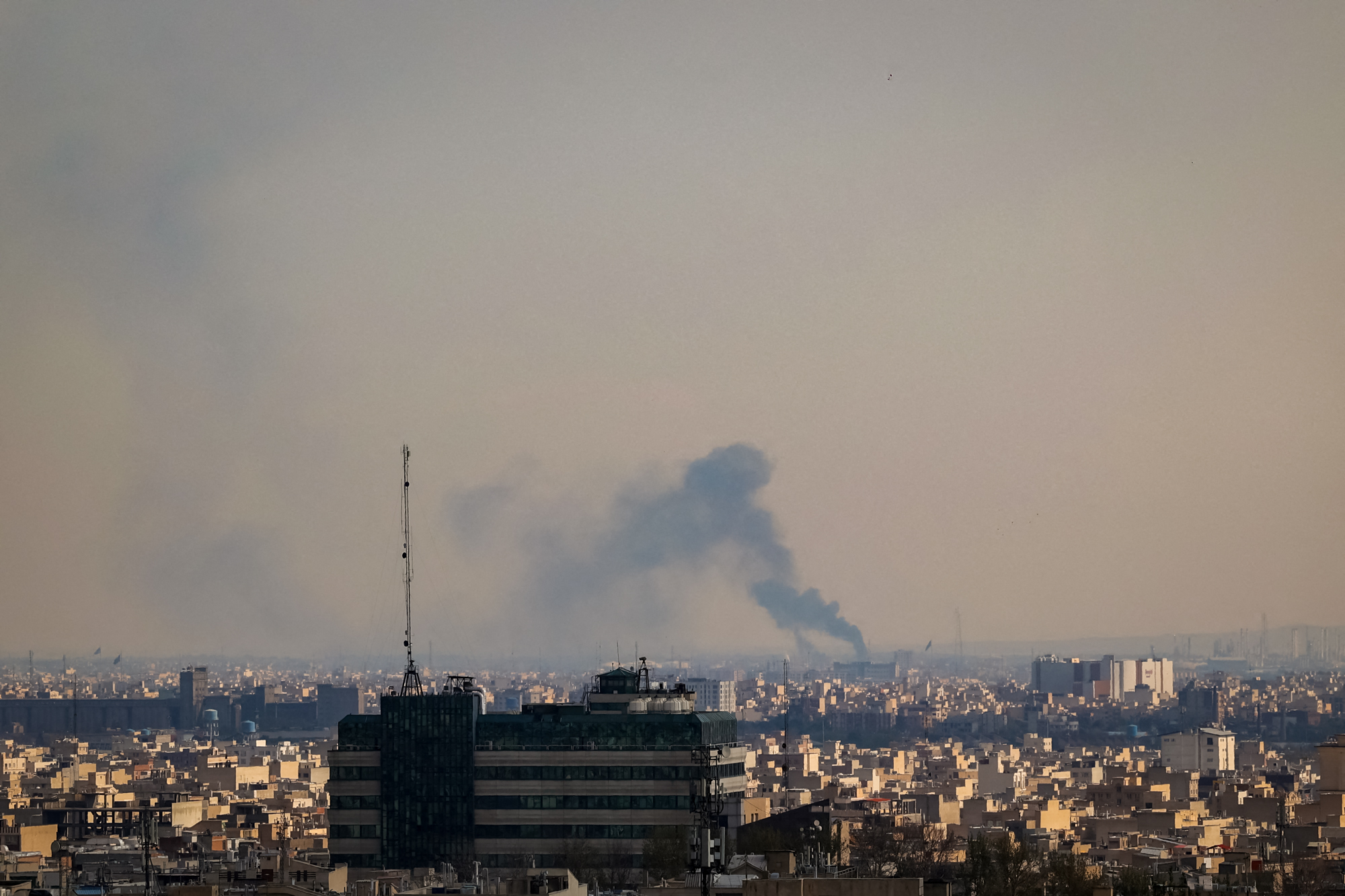
Israel said on April 6 that it carried out an airstrike on Iran’s largest petrochemical facility—the South Pars plant at Asaluyeh—as hostilities continued and diplomatic efforts to secure a cease-fire faced mounting pressure ahead of a U.S. deadline.
Israeli Defense Minister Israel Katz said the strike inflicted massive economic damage and hit a key pillar of Iran’s industrial base, responsible for around 50 percent of the country’s petrochemical production.
Strike Targets South Pars Hub
Iranian media earlier reported that attacks targeted facilities at the South Pars natural gas field in southern Bushehr province, blaming the United States and Israel, though neither country initially confirmed responsibility for that specific location.
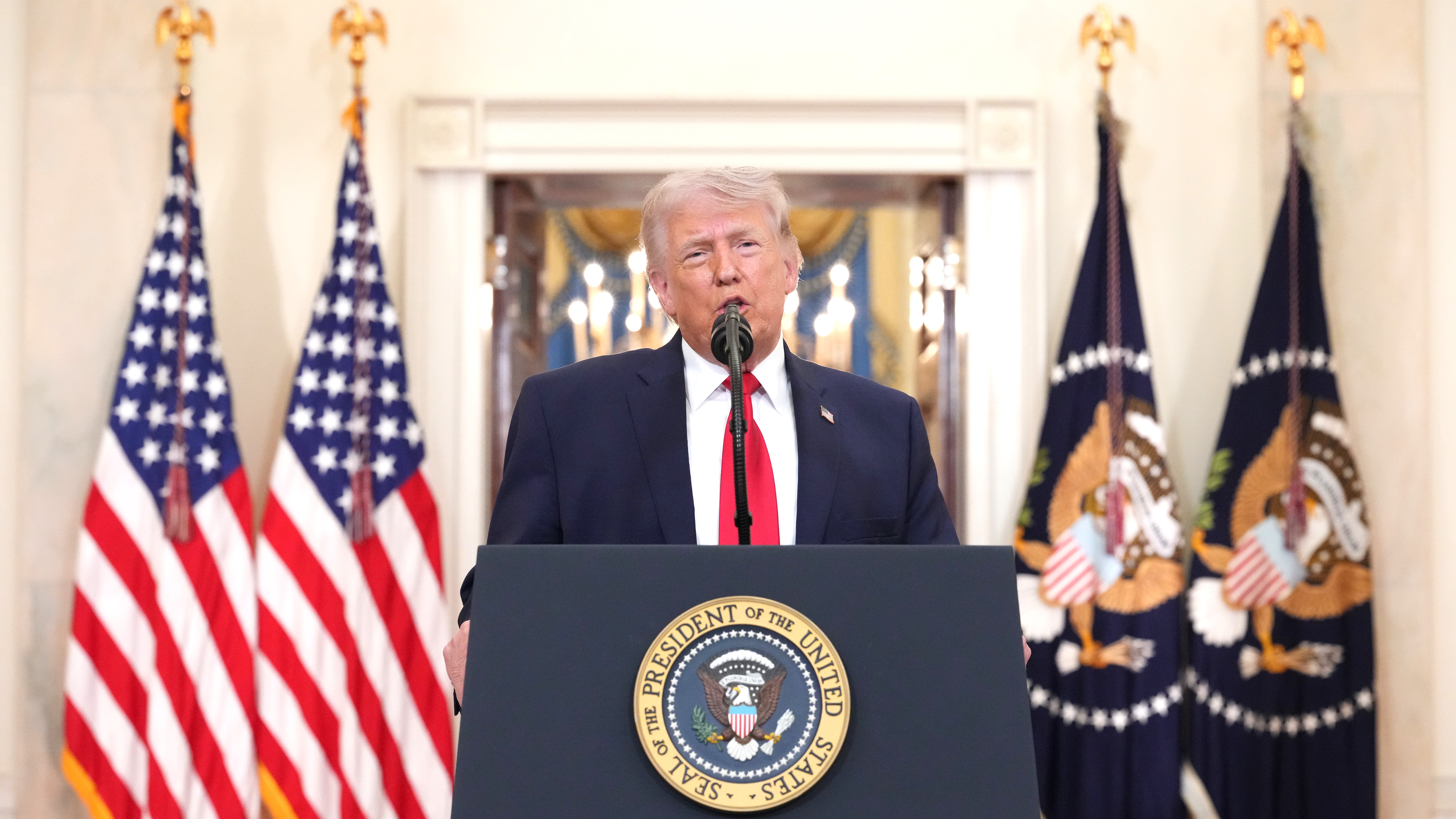
U.S. President Donald Trump has threatened to target Iran’s power plants and bridges on April 7 if the Strait of Hormuz is not reopened.
Trump went on to say that if the Iranian regime does not open the strait, it will be “living in Hell.”

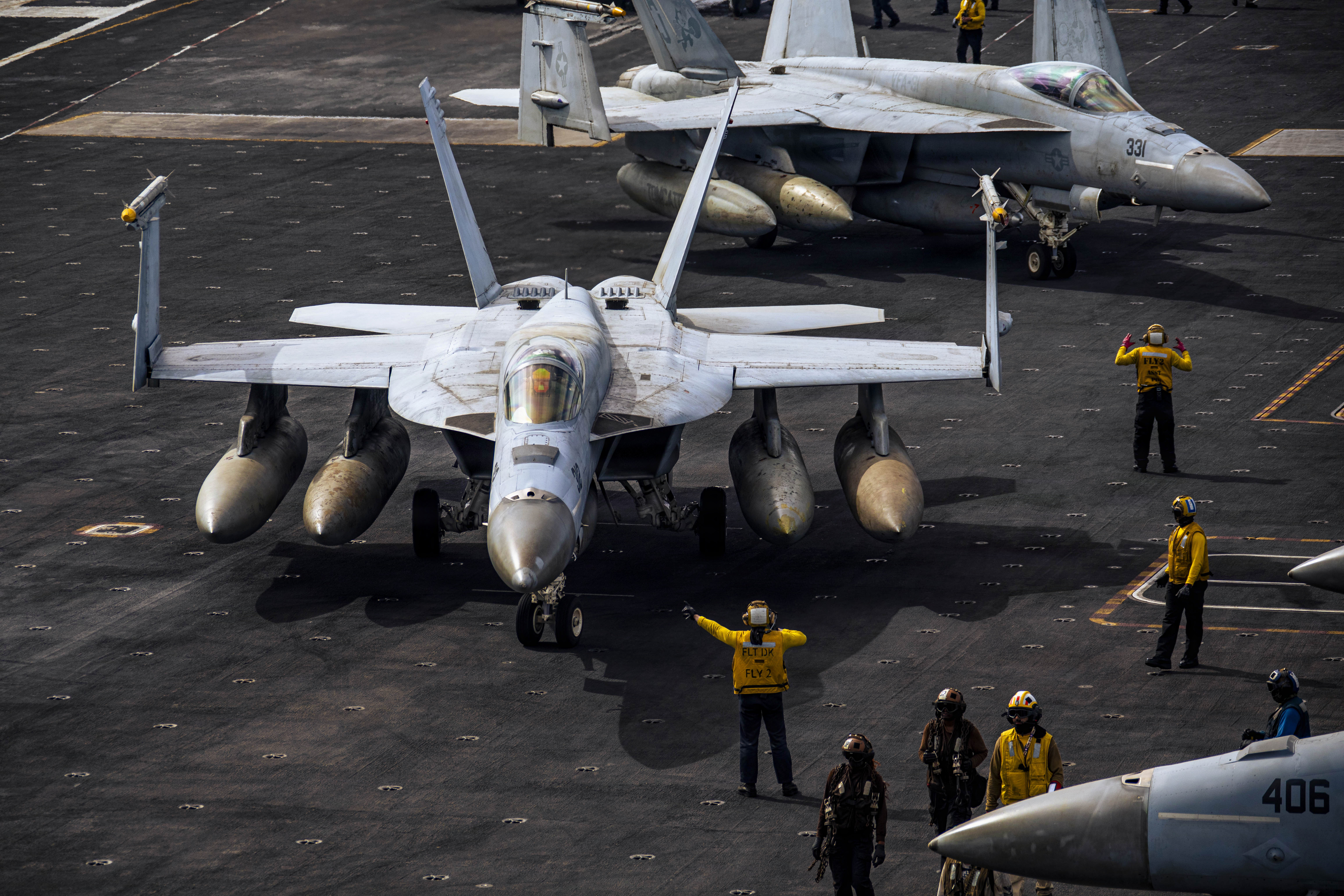
U.S. President Donald Trump has referred to an Iranian proposal as “significant” as efforts intensify to reach a diplomatic breakthrough ahead of the White House’s deadline for Tehran to reopen the Strait of Hormuz to all vessels.
Iran shut the waterway after the United States launched Operation Epic Fury on Feb. 28, but Tehran later said it would permit ships that had no links to the United States, Israel, or any U.S. allies to pass through.
Pakistan, which is mediating between the United States and Iran in an effort to achieve a cease-fire, is continuing to search for a workable formula before the U.S. deadline expires at 8 p.m. ET on April 7.
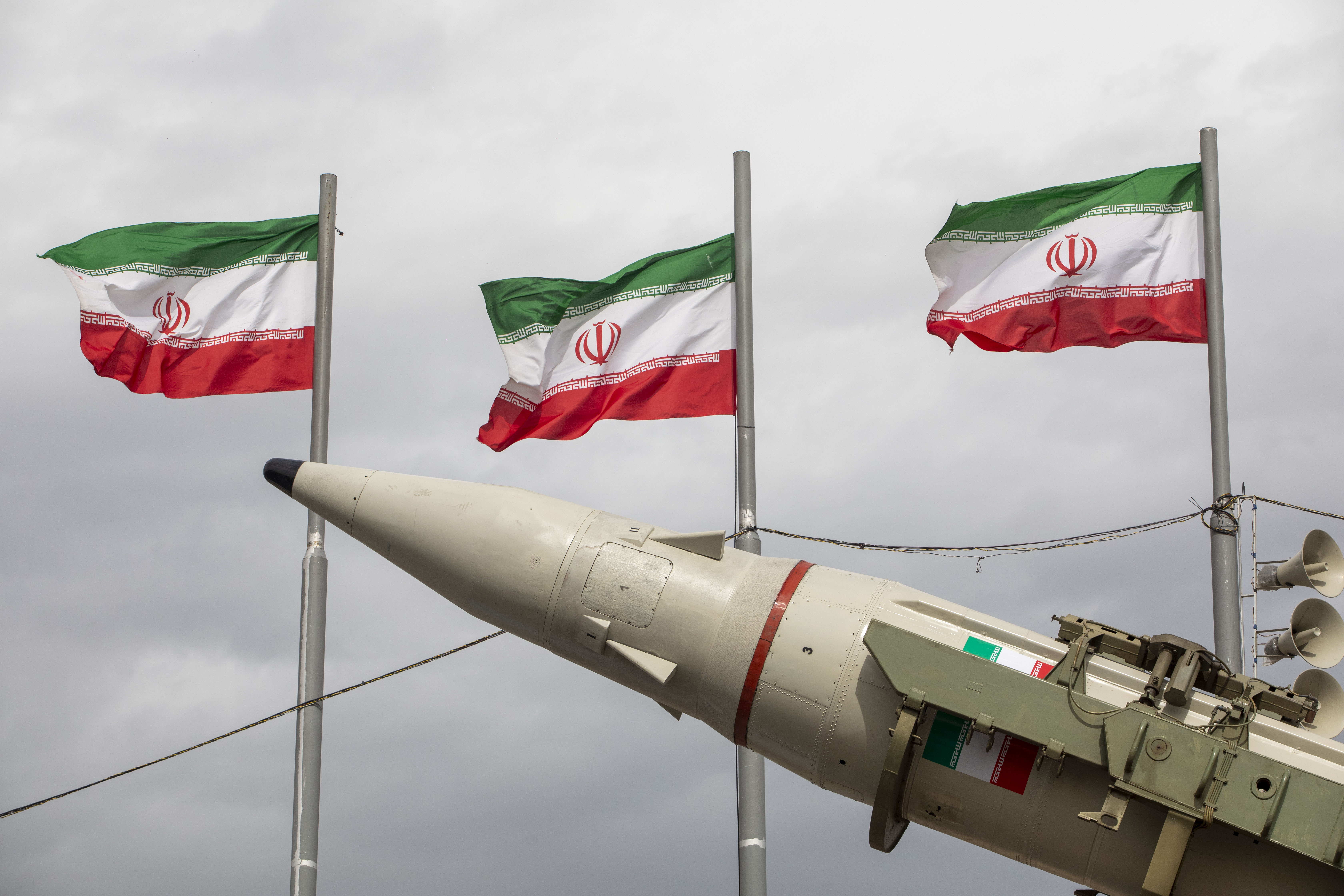
Iranian officials on Sunday said the country would carry out more forceful attacks on targets if the United States and Israel target the country’s civilian infrastructure in an apparent response to warnings issued by President Donald Trump over the weekend.
Trump, in several warnings on Saturday and Sunday, said that the Iranian regime must reopen the Strait of Hormuz or the U.S. military would launch attacks on the country’s civilian infrastructure. Last month, he gave Tehran several ultimatums on reopening the strait, with his latest deadline for the regime falling on 9 p.m. ET Monday.
On Sunday, Trump warned that “Tuesday will be Power Plant Day, and Bridge Day, all wrapped up in one, in Iran. There will be nothing like it!!!” He demanded that the regime open up the strait or “you'll be living in Hell - JUST WATCH,” according to a post he made on Truth Social.