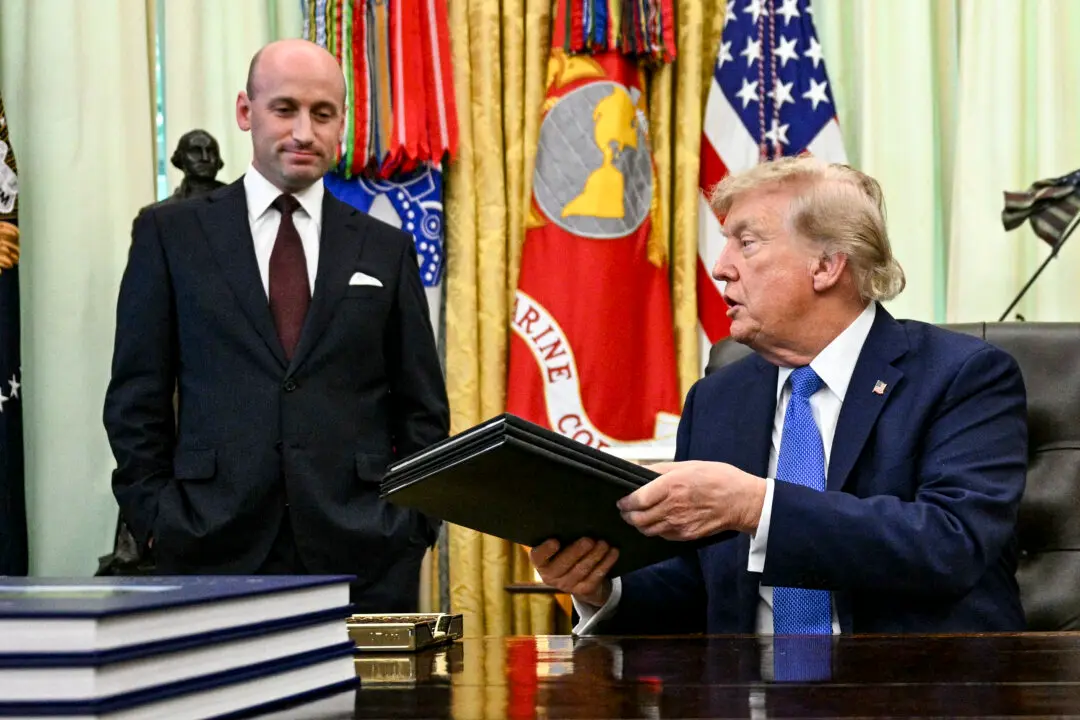
U.S. President Donald Trump has sent National Guard troops to the nation’s capital in an effort to suppress crime, which he says is getting out of control.
National Guard troops began to appear in Washington on Aug. 11. There were 23 arrests on the first night alone, with a range of offenses including homicide and firearm offenses, according to White House press secretary Karoline Leavitt.
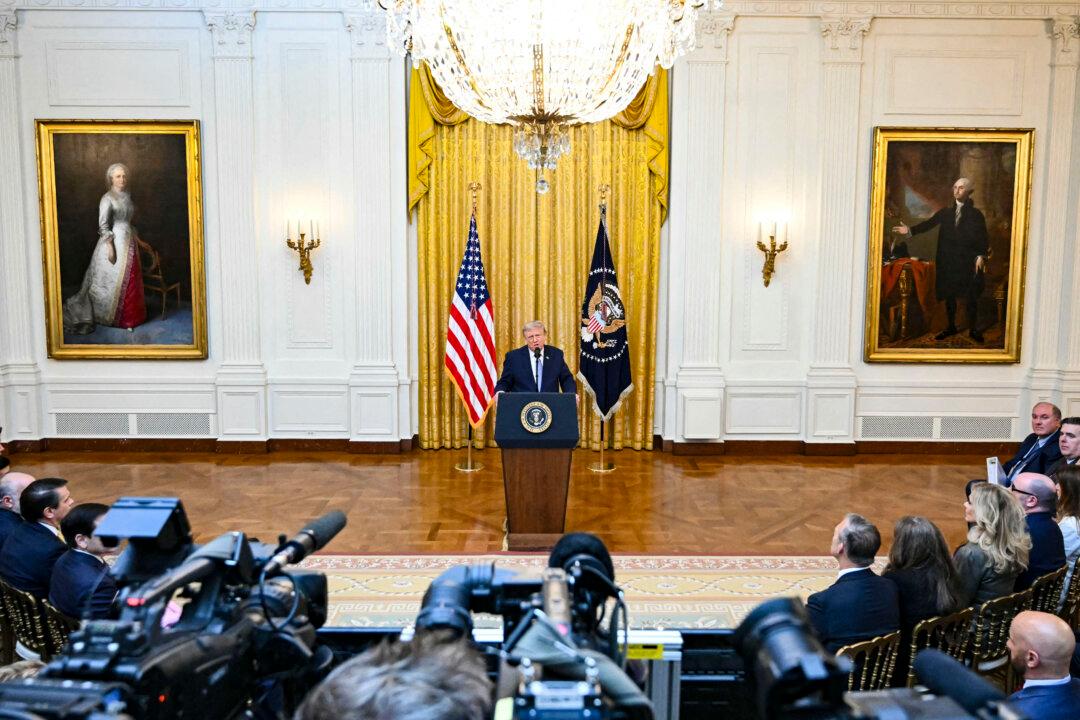
Trump announced on Aug. 11 that he was ordering 800 troops to be activated in response to unprecedented levels of crime. Describing the event as “Liberation Day in D.C.”
An extra 500 law enforcement agents have also been sent.
District of Columbia Mayor Muriel Bowser has accused Trump of being authoritarian.
Metropolitan Police Department data show that although there was a considerable spike in the city’s crime rate in 2023, it has dropped significantly since then to below 2019 levels.
Police Commander Michael Pullman was placed on administrative leave on July 18 after being accused of changing crime statistics.
At 3,180 active officers in the district, they are 800 officers short of the 4,000 mark needed to function normally.
The 2020 Comprehensive Policing and Justice Reform Amendment Act was introduced in the wake of the death of George Floyd, who died during an arrest by the Minneapolis Police Department. The policing act is aimed at improving accountability in police action.
The D.C. police union has said the Act favors criminals and does not hold them accountable for their crimes, instead putting the spotlight on police actions and reducing their ability to work efficiently.
Washington’s Department of Forensic Sciences lab (DFS) lost its accreditation in 2021 following a corruption and mismanagement scandal hobbling the city’s ability to investigate crime, which has only recently been restored.
The National Guard are members of the military reserve who operate in each state and are often made up of citizen soldiers. They serve under each state’s governor and can be called up for natural disasters and civil disturbances.
They can be activated by the president or Congress in times of emergency and placed under federal jurisdiction.
A president is allowed to deploy the National Guard in the capital for up to 48 hours and would need to notify Congress to extend it beyond that, and can do so for up to 30 days.
This isn’t the first time Trump has deployed National Guard members.
In June, Trump declared a national emergency and deployed the National Guard to the streets of Los Angeles after protests against ICE arrests of illegal immigrants turned violent.
California Gov. Gavin Newsom filed a lawsuit accusing the U.S. president of inflaming tensions, arguing that the situation didn’t call for an emergency and, therefore, he had no jurisdiction.