President Donald Trump has said that Iran had requested a new meeting with the United States, signaling a possible return to diplomacy after several days of military exchanges between the two countries over shipping in the Strait of Hormuz.
“Iran has requested a meeting. It will take place tomorrow in Doha!” Trump wrote in all caps in a June 29 post on Truth Social.
Pakistan, which has played a central mediating role between Washington and Tehran, also said negotiations are expected to resume on June 30 in Qatar’s capital.
The planned meeting follows a sharp escalation over the weekend, when U.S. and Iranian forces exchanged strikes after Iran was accused of attacking commercial vessels in the Strait of Hormuz. A U.S. official later said that both sides indicated they would halt further attacks, raising hopes that negotiations over a broader agreement could continue.
Iran Clarifies Technical Talks
Iran has not yet publicly confirmed Trump’s announcement of a June 30 meeting between representatives of the two sides.
However, Tehran sought to clarify reports about negotiations tied to the U.S.–Iran memorandum of understanding (MoU) signed on June 17.
Kazem Gharibabadi, Iran’s deputy foreign minister for legal and international affairs and one of Tehran’s top negotiators, said reports claiming technical working-group meetings were scheduled in Doha this week were incorrect.
“Technical working group meetings were not scheduled for this week,” Gharibabadi told reporters on Monday, according to the state-run Islamic Republic News Agency (IRNA), referring to the technical working groups established under the MoU, rather than broader diplomatic contacts.
He said consultations with Qatar, including discussions on implementing commitments undertaken by the United States under the memorandum, were continuing through mediator countries.
“The first round of technical talks within the framework of the designated working groups will be held after the necessary conditions are met and following agreement on the date and venue, and consultations on these matters are continuing through the mediator countries,” he said, according to IRNA.
His comments appeared aimed at correcting media reports about the MoU’s technical track rather than denying that higher-level diplomatic contacts could take place following the latest military tensions.
Frozen Assets and MoU Implementation
Earlier on Monday, Iranian President Masoud Pezeshkian said that Qatar would release $6 billion in frozen Iranian assets as part of the implementation of the June 17 memorandum of understanding.
According to Pezeshkian, who was cited by IRNA, the funds represent half of the roughly $12 billion in Iranian assets currently held in Qatar. He said Tehran was continuing efforts to secure the release of the remaining balance.
The MoU established a 60-day framework for negotiations covering issues, including sanctions relief, shipping arrangements in the Strait of Hormuz, and other key outstanding matters, such as the fate of Iran’s nuclear program.
In a separate Truth Social post on Monday, Trump said that crude oil prices were now lower than they were “prior to the start of the Denuclearization of Iran,” referring to the Feb. 28 strikes against Iran that he has repeatedly said were aimed at preventing Tehran from ever acquiring nuclear weapons. Oil prices recently fell to pre-war levels.
Hormuz Fighting Threatened Talks
The renewed diplomatic push comes after the most serious bout of fighting between Washington and Tehran since the memorandum of understanding was signed.
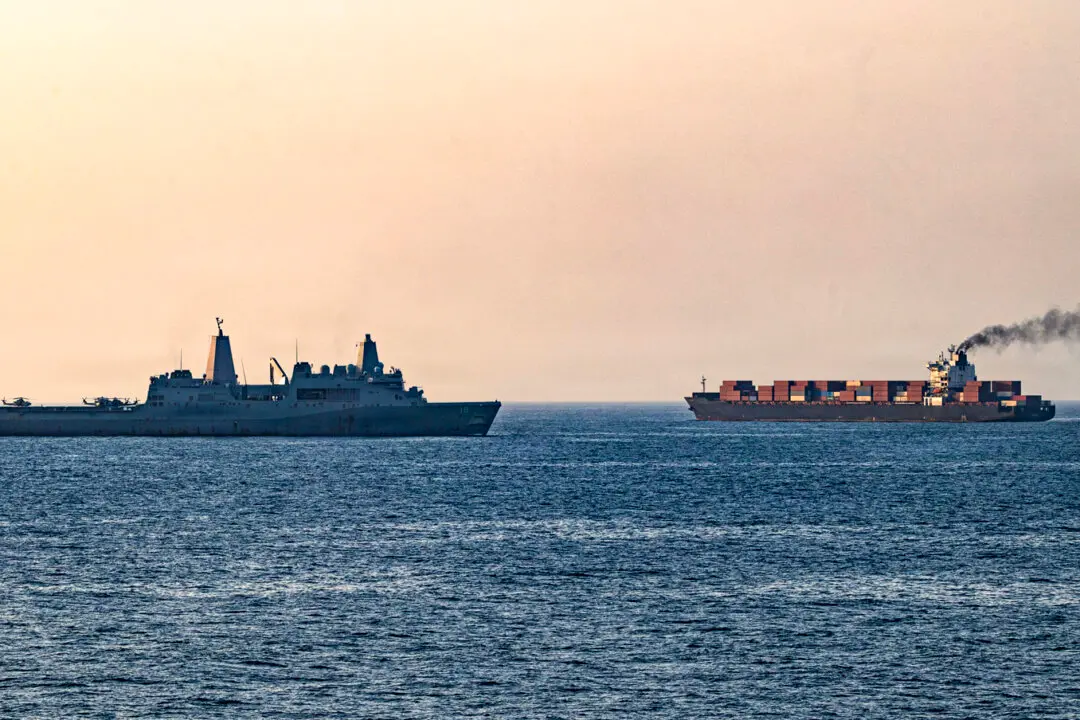
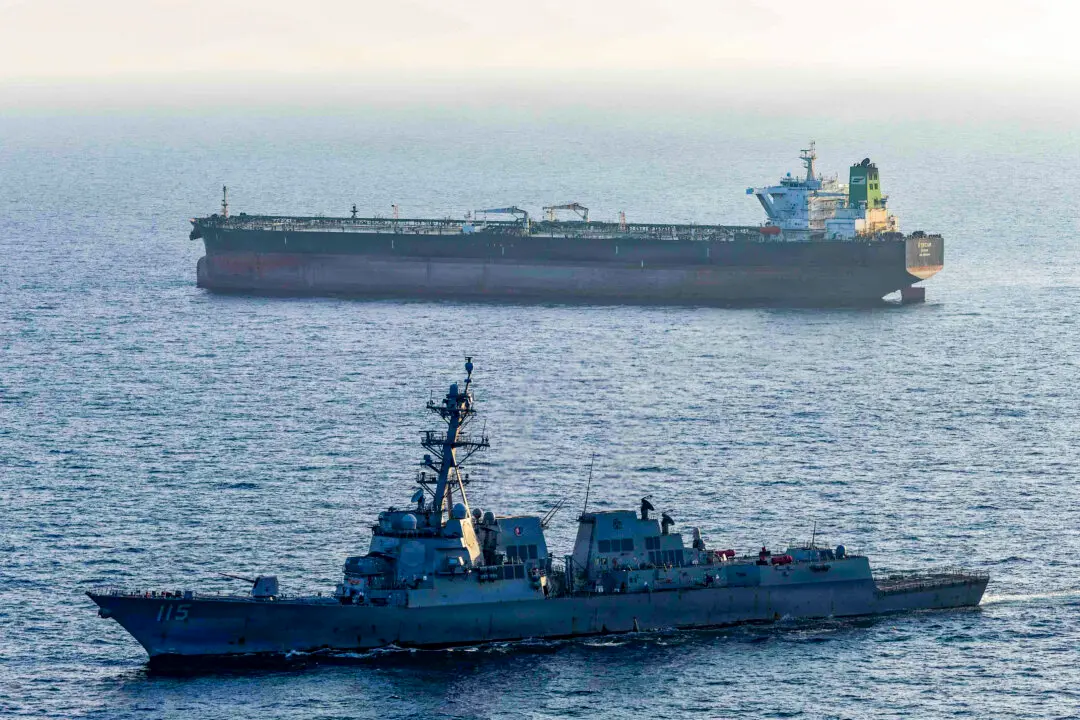
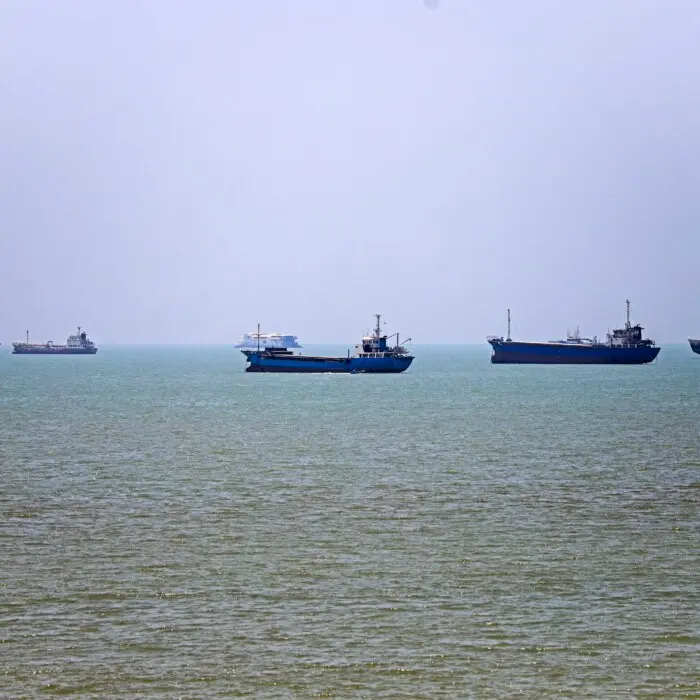
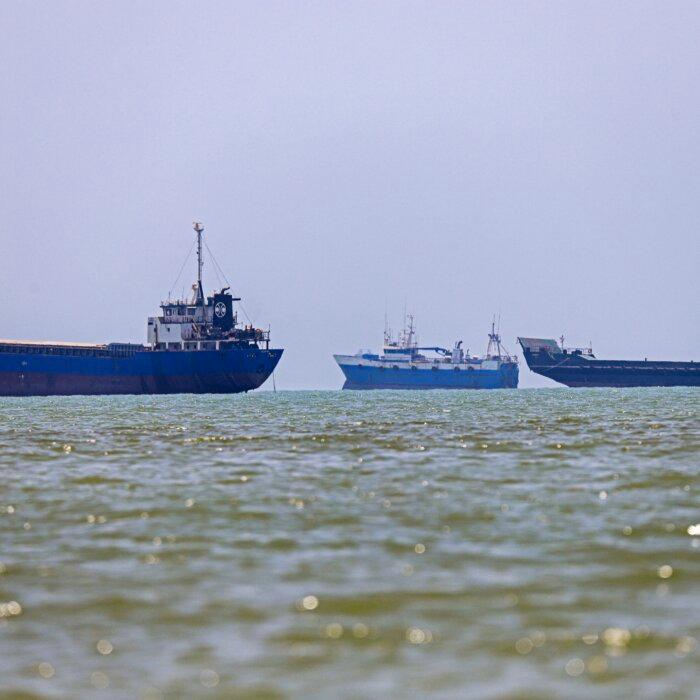
The latest confrontation began after U.S. officials accused Iran of attacking commercial shipping in the Strait of Hormuz, through which roughly one-fifth of globally traded oil normally passes.
The U.S. military responded by striking Iranian military infrastructure near the strategic waterway.
The exchanges prompted concerns that the MoU could collapse before negotiations on a permanent settlement were completed. Despite the fighting, both sides later signaled they would pause military operations.
Disagreements remain over how the strait should be administered.
Iranian Foreign Minister Abbas Araghchi said over the weekend that Iran alone is responsible for managing the strait and that no outside country should interfere in its administration.
The Trump administration has rejected that position, saying Iran cannot impose controls, tolls, or other restrictions on passage through an international waterway.
Jack Phillips contributed to this report.