U.S. President Donald Trump has said that talks with Iran—both direct and indirect—are ongoing and making “very good” progress, and he has urged Tehran to take the deal or face destruction of its critical infrastructure; a spokesperson for the Iranian foreign ministry has denied that negotiations are taking place.
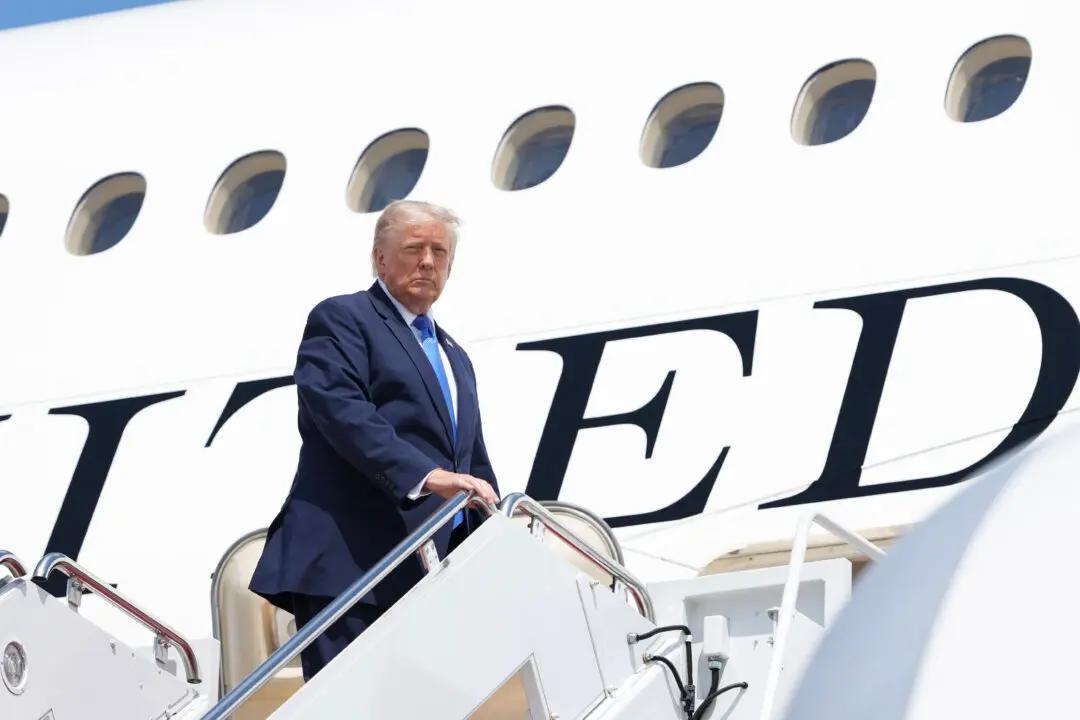
Speaking to reporters aboard Air Force One on March 29, Trump signaled his conviction that diplomacy is gathering pace alongside ongoing military operations that the president said have already led to “regime change” in Tehran.
“We’ve had very good negotiations today with Iran, getting a lot of the things they should have given us a long time ago,” Trump said. “See how it works out. But they’re very good, moving along very nicely.”
Trump said the United States is now engaging a new group of Iranian officials following weeks of intense strikes that have decimated much of Iran’s military leadership and infrastructure. He suggested that the shift in leadership has opened a potential pathway to a deal, saying that the current figures “seem to be much more reasonable” than their predecessors.
“It truly is regime change,” Trump said, referring to the cumulative impact of U.S. and Israeli operations targeting senior Iranian officials.
In a post on social media on March 30, Trump said Washington is in “serious discussions” with Iran’s “more reasonable” regime, urging Tehran’s new leaders to reach an agreement and reopen the Strait of Hormuz—or face the prospect of destruction of Iran’s energy and oil infrastructure, along with possible strikes against its water desalination plants.
Iran Denies Talks Taking Place
Iranian Foreign Ministry spokesperson Esmaeil Baqaei said on March 30 that Tehran has held no direct talks with the United States and dismissed as baseless claims that it has accepted Washington’s proposals.In remarks at a news conference cited by state-affiliated Tasnim News Agency, Baqaei said Iran has not had any direct negotiations with the United States so far. He said the only thing discussed to date has been messages received through intermediaries indicating Washington’s desire for talks, with Baqaei describing the U.S. proposal as excessive and unreasonable.
Trump has dismissed the Iranian denials, saying that Iranian negotiators are afraid to admit to discussions out of fear for their lives.
Speaking to reporters aboard Air Force One on March 29, Trump expressed cautious optimism about the prospects for a diplomatic settlement.
“I think we'll make a deal with them, pretty sure, but it’s possible we won’t,” Trump said, noting that multiple layers of Iranian leadership have been eliminated and that the current group of leaders seems “to be much more reasonable.”
“We’re doing extremely well in that negotiation,” Trump said.
Terms of Competing Proposals
Although full details of the U.S. proposal remain undisclosed, Israeli officials told Epoch Magazine in Israel that it requires Iran to end uranium enrichment, dismantle key nuclear facilities, and accept oversight by the International Atomic Energy Agency, as well as limits on missile capabilities and support for regional proxy forces.“They gave us most of the points ... and just to prove that they’re serious, they gave us all of these boats,” Trump said, referring to oil tankers Iran would allow to transit the Strait of Hormuz, which Tehran has effectively restricted amid the conflict.
Trump said on March 29 that Iran agreed to allow about 20 tankers to pass through the strait in the coming days or weeks as a “sign of respect” in negotiations.
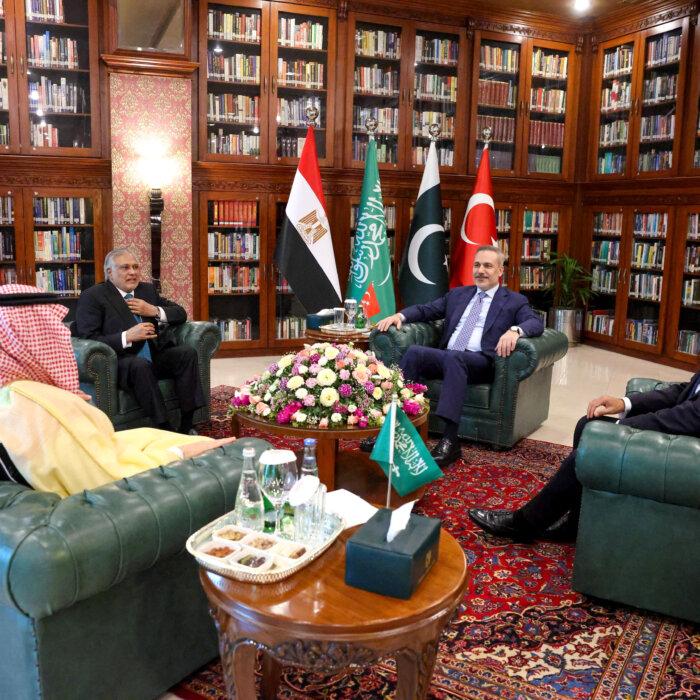
In his remarks to reporters on March 30, the spokesperson for the Iranian Foreign Ministry said Tehran’s position is that as long as it faces attacks, it will remain focused not on talks but on defending itself. Although Baqaei welcomed efforts from regional countries to end the war, he said Pakistan’s initiative was its own initiative, and Iran was not taking part.
Crude was about $72 per barrel on Feb. 27—just before U.S.–Israeli strikes on Iran—but has since surged as fears of disruption and a wider conflict intensify.
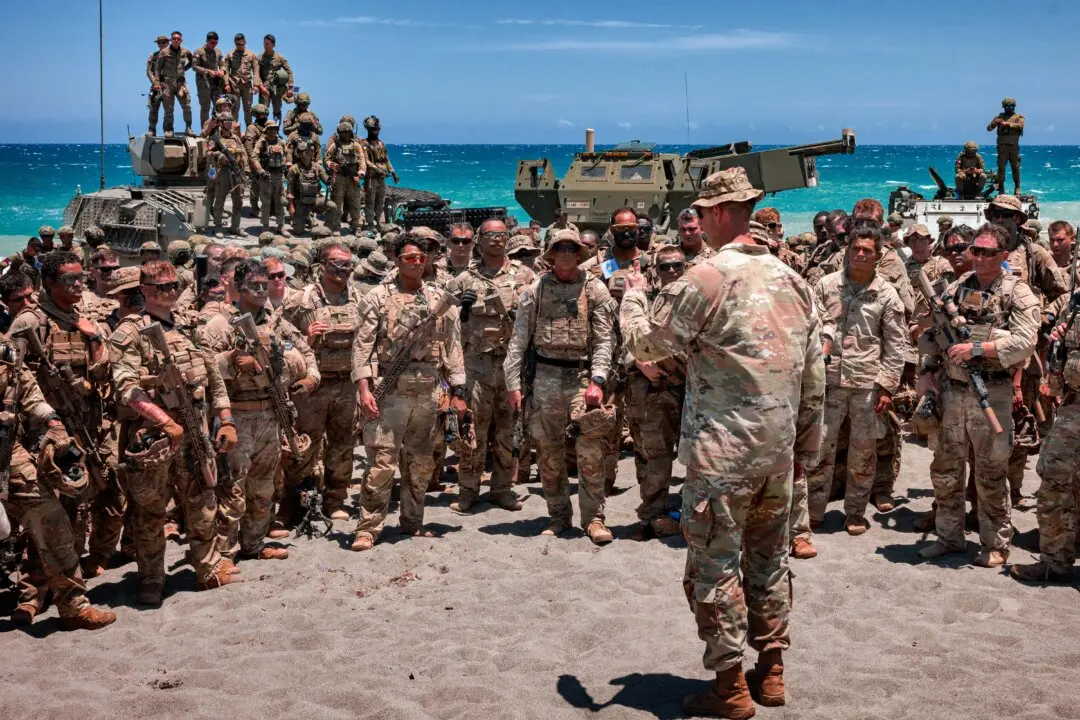
The United States has moved additional forces into the region, although Secretary of State Marco Rubio said on March 27 that the deployments are meant to prepare for contingencies, not signal an imminent ground offensive.