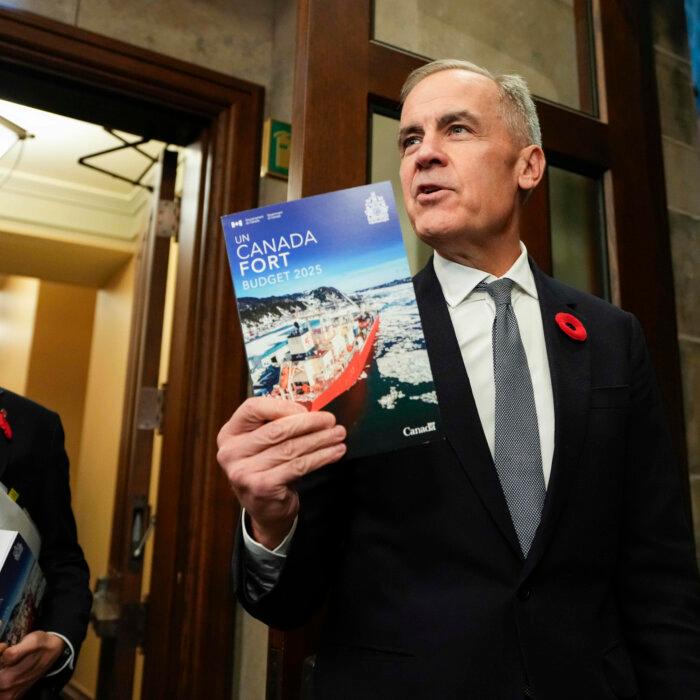
The Liberal government introduced a tax on high-end vehicles, yachts, and private aircraft in 2022, but Prime Minister Mark Carney’s newly released federal budget now proposes its removal.
Budget 2025 would get rid of the luxury tax on aircraft valued at more than $100,000 and boats valued at more than $250,000, but appears to leave the tax on vehicles valued in excess of $100,000. That same tax was first floated by the Liberal government in early 2021 under then-Prime Minister Justin Trudeau, and officially became law in September 2022.
While the government says the new measure will “provide relief to the aviation and boating industries,” the tax initially focused on making top-earning Canadians pay more to “contribute their fair share to a stronger economic recovery.”
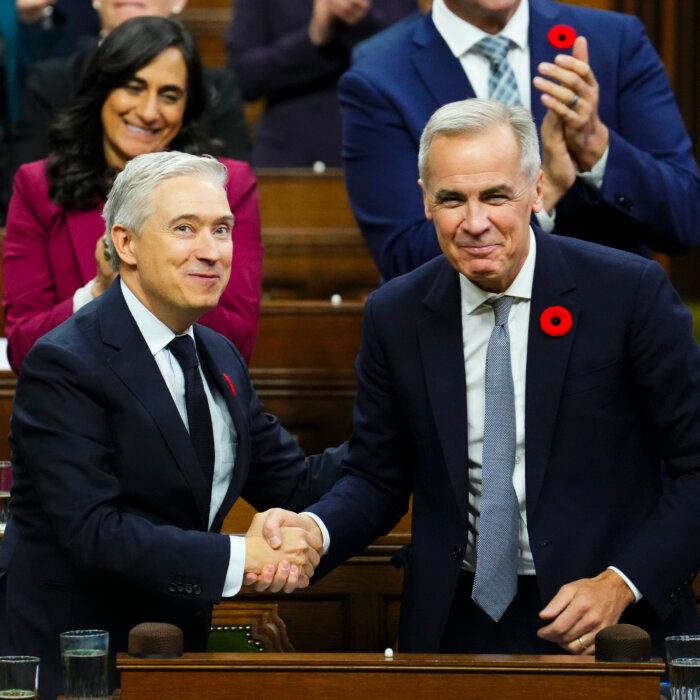
Finance Minister François-Philippe Champagne told reporters on Nov. 4 that the luxury tax “costs more to administer than what we receive,” adding that it’s “very inefficient, and we need to move on.”
Tax Targets Luxury Purchases
The luxury tax concept was originally presented in the April 2021 budget, which stated that the government intended to impose a tax on the sale of luxury cars and aircraft priced at more than $100,000, as well as boats valued at $250,000 or higher if they were being purchased for personal use.The calculation for the measure would be determined by the lower amount between 20 percent of the value exceeding the threshold or 10 percent of the total value of the luxury vehicle, boat, or aircraft. The government estimated this measure would increase federal revenues by $604 million over five years.
“If you’ve been lucky enough, or smart enough, or hard-working enough, to afford to spend $100,000 on a car, or $250,000 on a boat – congratulations! And thank you for contributing a little bit of that good fortune to help heal the wounds of COVID and invest in our future collective prosperity,” then-Finance Minister Chrystia Freeland wrote in the budget.
In addition to measures like raising the corporate income tax payable by banks and insurance companies earning more than $1 billion, establishing a minimum 15 percent tax rule for top-earners, and taking steps to combat “aggressive tax planning and avoidance,” Trudeau called for the tax on “luxury” cars, boats, and planes.
‘Relief’ for Aircraft, Boat Industries
The federal finance department warned in March 2023 that the tax could end up reducing the country’s GDP and killing jobs. The report estimated the tax would lower Canada’s GDP by between $58 million and $125 million, or roughly 0.005 percent of the total GDP. It said while this was a “negligible share” of the country’s GDP, it would impact the “very narrow and specific base” of the automobile, boat, and aircraft sectors.Sara Anghel, president of the National Marine Manufacturers Association at the time, testified before the House of Commons industry committee in June 2022 that the tax would decrease revenues for boat dealers by more than $90 million and lead to potentially 900 full-time job losses.
Carney was asked during the federal election campaign in April if he would consider removing the luxury tax given that it was impacting the sale of Bombardier jets. Carney responded that it was “not something I’ve looked directly at,” noting the government was focusing its efforts on areas where it could have the “maximum impact,” and the tax was not “in the grand scheme of things … that important.”
A week before budget 2024, Canadian Automobile Dealers Association national spokesperson Huw Williams testified before the House of Commons industry committee that the government should eliminate the luxury tax. He called it “inefficient” because it could apply to electricians and construction workers buying work trucks that are “not luxury vehicles.”
“We already have a perfect tax system, the GST, that as you pay more for any good, you pay more tax,” Williams added.