Australians can expect more tax reform in the upcoming federal budget.
This is the comment of Treasurer Jim Chalmers at an event held by the Australian Business Economists on March 19.
“We are working on more tax reform in the budget–how much we can do in May depends on fiscal considerations, international developments and cabinet deliberations,” he said.
Chalmers noted that the reform would be guided by “clear principles.”
“Firstly, we recognise an outdated tax system is weighing on the opportunities faced by younger Australians and future generations. So any changes would have a substantial focus on our intergenerational responsibilities,” he said.
While Jim Chalmers did not specify which tax changes he had in mind, options flagged in recent months include reducing capital gains tax discounts or capping negative gearing at two properties per investor.
Both measures are seen as potential ways to boost government revenue and ease housing pressures by curbing investor demand.
Weaker GDP Forecasts
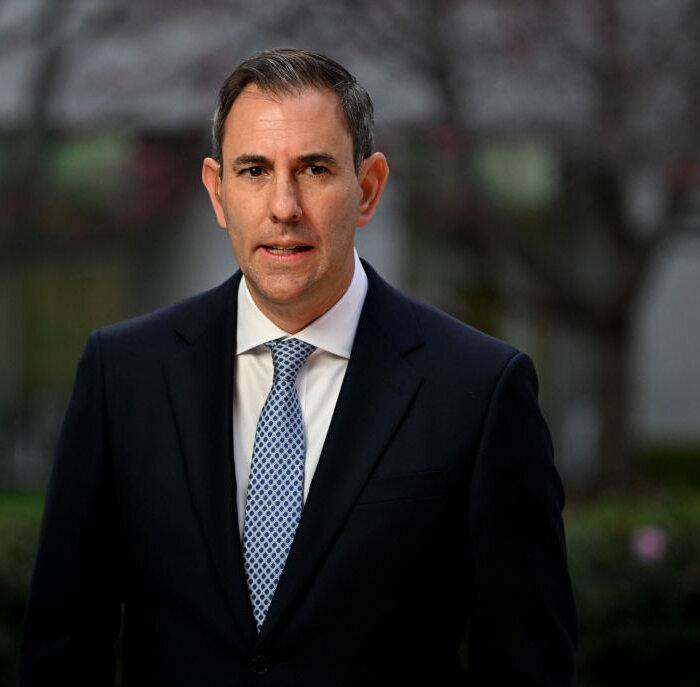
Chalmers also revealed concerning news about Australia’s economic growth, saying the forecast had been downgraded by between 0.25 and 0.5 percentage points.The productivity outlook is also bleak, with the treasurer admitting it will take longer than expected for productivity to return to the previous trend.
Middle East Conflict’s Impact on Budget
Chalmers said the Middle East conflict would have a “defining influence” on the May budget.He noted the oil price had risen 80 percent since January, with disruptions in the Hormuz Strait driving up fuel and fertiliser prices.
The Treasury has modelled the economic impact of the Iran conflict under multiple scenarios.
In a short-term scenario, oil stays at US$100 per barrel (A$141) for the first half of 2026 before returning to pre-war levels by year’s end.
In a more prolonged scenario, prices could hit US$120 per barrel in the first half of 2026 and take three years to normalise.
In both cases, Australia will see slower GDP growth and higher inflation.
“Treasury’s latest advice is the war could cut GDP growth by up to 0.2 percentage points across our major trading partners,” Chalmers said.
“In a more drastic scenario, GDP would be 0.6 percent lower in 2027 and still below pre-war levels in 2029.”
An Economic Admission of Failure: Opposition
Meanwhile, Opposition Leader Angus Taylor said Chalmers had admitted what Australians already knew.“Living standards are going backwards and he has no plan to fix it,” he told The Epoch Times.