Australian Treasurer Jim Chalmers still wants more Australians to take up electric vehicles, as he continues to work on an EV road user charge.
To prevent double taxation, the road user charge would apply only to EVs, not to petrol and diesel cars.
“In most of the discussions we have, publicly and privately and with the states and with others, we’re very conscious of finding the right balance, getting the sequence right so that we can continue to encourage people into an EV with the tax cuts that we are providing,”
The government is looking at the scheme because they don’t receive fuel excise revenue from EVs.
Chalmers noted the government was not in a hurry.
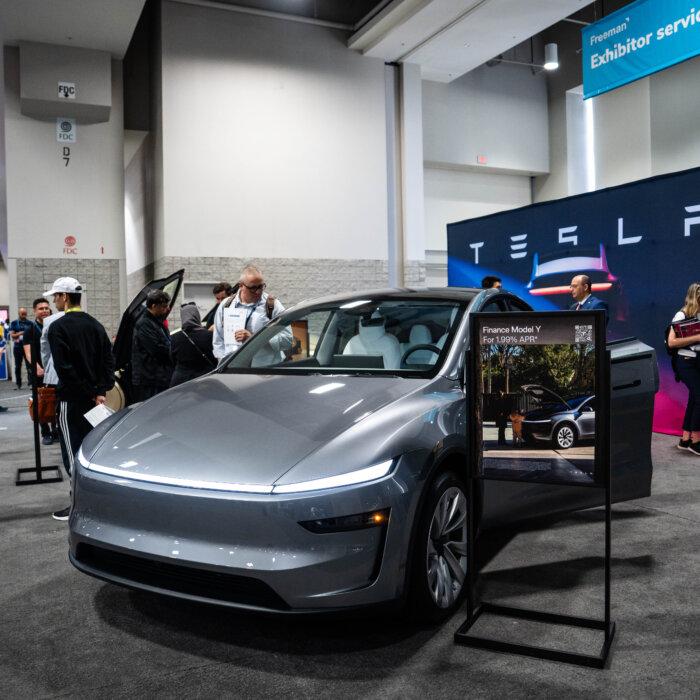
“But to also be conscious that as we implement over time—and we’re in no rush, as you know—but as we implement over time a road‑user charging regime for EVs, we need to make sure that we get that balance right,” he said.
Coalition Finance spokesman James Paterson has indicated EV drivers should be contributing to the costs of roads.
NSW Premier Worried About Delays
NSW Premier Chris Minns said he was “worried” about any potential delay to the road user charge in response to Chalmers’ comments.“If we’re not going to have the petrol excise in five, 10, 15 years from now or even a proportionally smaller amount collected, someone’s going to have to pay for it somehow. I just think this is a commonsense change.”
Despite driving an electric car himself, Minns still supports an EV charge for road users.
“I think we should have a road user charge. I still use the same roads as someone who has a petrol car uses. ”
Victoria previously implemented a road user charge for EVs, but this was struck down by the High Court of Australia in 2023.
The High Court ruled in favour of EV drivers Chris Vanderstock and Kath Davies, arguing the charge was not constitutional.
At the time, Electric Vehicle Council Chief Executive Behyad Jafari predicted the High Court ruling would have a positive impact on policy across Australia.
The NSW government also unveiled a road user charge for EVs to apply from July 2027, or when EVs make up 30 percent of all new vehicle sales.
However, in light of the Victorian government’s decision, it remains uncertain if NSW’s plan is legal.