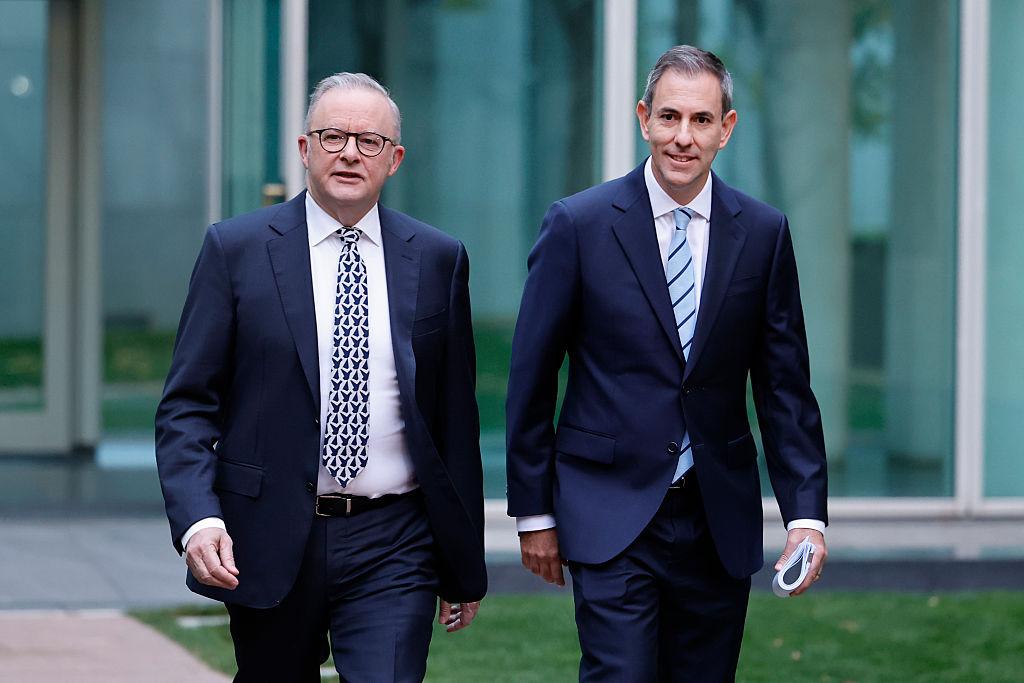
Australia has escaped steep tariff hikes from the United States, thanks to what Labor Trade Minister Don Farrell called Prime Minister Anthony Albanese’s “cool and calm” diplomacy.
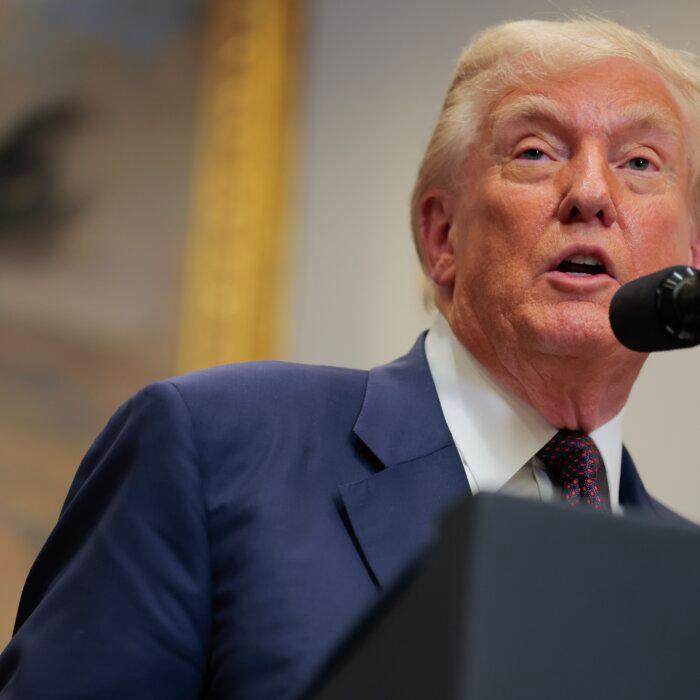
On Aug. 1, U.S. President Donald Trump released a list of updated tariffs on countries worldwide after considering issues like the “lack of reciprocity” in bilateral trade relationships, and the impact of “tariff rates and non-tariff barriers” on U.S. exports.
The president said the move was also guided by issues like national security, how trade negotiations were progressing, and efforts by other countries to retaliate.
Amid the fallout, Australia’s tariff rate remained unchanged on the baseline 10 percent, while neighbouring countries like New Zealand saw tariffs increased to 15 percent. Canada and others faced even steeper increases.
Minister Farrell said there was internal pressure to increase tariffs on Australia, but Trump “decided to maintain that 10 percent,” he told reporters.
“I think this is a vindication for the Albanese government and particularly the prime minister,” Farrell said, adding that Australia had not retaliated with its own tariffs.
“What this decision means, in conjunction with all of the other changes to other countries, is that Australian products are now more competitive into the American market,” he added.
Wine, Beef, Wheat to Gain Competitive Edge: Minister
Meanwhile, Farrell highlighted the opportunities for Australian exporters.“This means products like wine, like beef, like lamb, like wheat, in a relative sense, are cheaper into the United States,” he said.
He pledged continued government support to help exporters seize the opportunity.
“We will assist all of our exporters in ensuring that we take advantage of this situation and increase the volume of exports, not just to the United States, but to all of those other countries that we have diversified with.”
However, Farrell noted that Australia would keep pressing for further exemptions.
“We don’t want to leave the issue here. We believe in free and fair trade, and we will continue to put the argument to the United States,” he said, adding that he has invited U.S. Commerce Secretary Howard Lutnick to visit Australia to continue discussions.
New Tariff-UAE Deal Comes into Play
Farrell also marked the passage of legislation that will bring the Australia-United Arab Emirates Comprehensive Economic Partnership Agreement (CEPA) into law.“This means that virtually every Australian product that we sell goes into the United Arab Emirates, tariff free. That’s obviously a very good story for Australian agriculture and Australian producers,” he said.
The deal represents Australia’s first trade agreement in the Middle East and is expected to open significant opportunities for exporters.
The UAE is Australia’s largest trade and investment partner in the region, with total trade reaching $12.3 billion in 2024. Once fully implemented, the agreement will see over 99 percent of Australian goods—including meat, dairy, grains, and minerals—enter the UAE tariff-free.
As per government statement, Australian households and businesses are expected to benefit from around $40 million a year in savings due to the deal.