Conservative MP Andrew Scheer says the persecution of Christians in Nigeria has received little media attention, compared to extensive reporting on conflicts in other parts of the world.
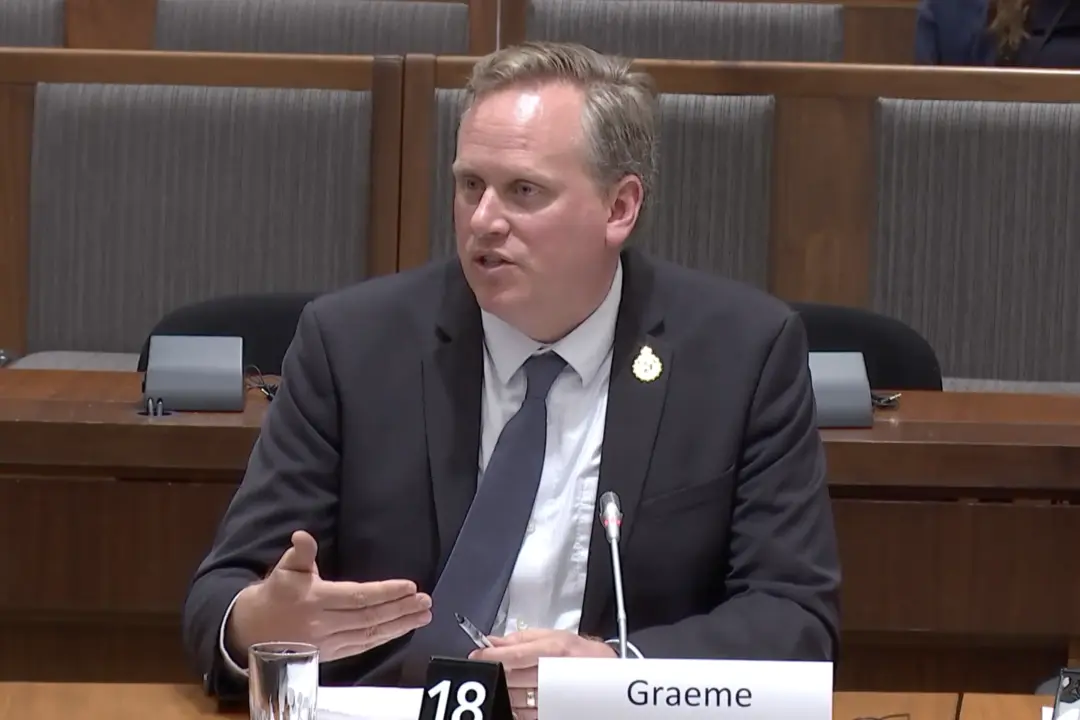
He noted that other instances of persecution are reported on “to the point where lower levels of government, even municipal officials, are being asked to weigh in on one side or the other.”
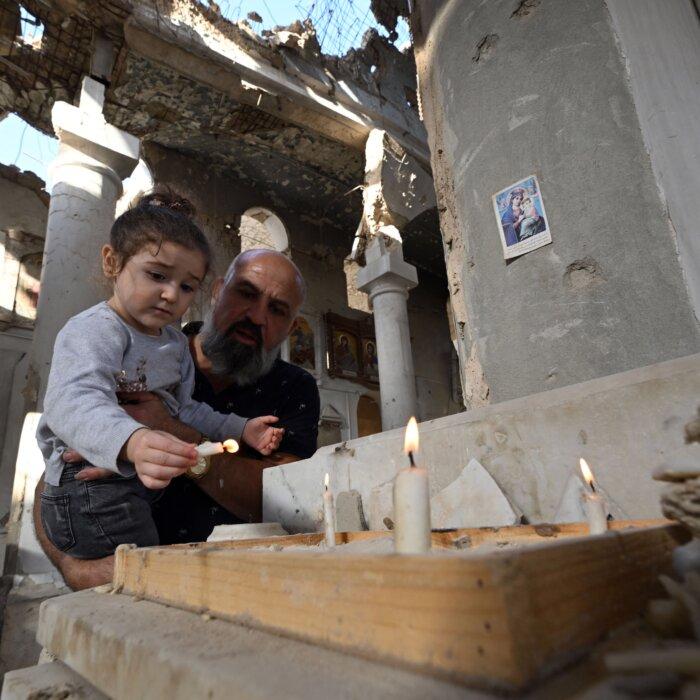
The witnesses who testified before the international human rights subcommittee on Nov. 17 told MPs Christians are facing “severe discrimination” and “extreme persecution” in Nigeria. This includes the killing of Christians and destroying of churches, as well as faith-based discrimination in areas such as marriage and employment.
Religious Freedom Institute senior fellow Andrew Bennett also testified before the subcommittee, where he was asked by Scheer why the Canadian media, and even the international media, is not highlighting this issue in Nigeria. Bennett said Canadian media’s reach is “limited,” making it difficult to focus on these issues.
“I think part of the thing we have to do is to recognize that in Canada, we don’t have the information we need, and so we have to go to those places where that information can be found,” Bennett told MPs.
He also said Africa is “largely ignored” by Western democracies and media, and that the role of religion in conflict is often downplayed, noting that “the vast majority of those in the foreign policy community have little to no understanding of religion and how it defines not only social relations, but also politics, culture, and even economic activity in most of the world.”
‘Broader Context’
Nanaimo’s Association of Nigerians president Mohammed Usman told the subcommittee he appreciates its “commitment to examining the persecution of Christians in Nigeria,” noting the issue has been going on for “far too long.”Usman added that Christians are not the only victims in Nigeria, noting there is “insecurity across the country.” He said this doesn’t take away from the persecution of Christians, but helps explain the “scale and complexity of the crisis.”
“Farmers, pastoralists, women, and children are caught in cycles of kidnapping, extortion, and displacement,” Usman said, adding that Muslim communities have also been massacred by extremists groups.
Usman said the violence experienced in Nigeria is “driven by multiple overlapping factors,” such as governance failures and corruption, poverty and economic inequality, ethnic rivalries, and environmental pressures.
He said the association recommends Canada strengthen its diplomatic engagement by encouraging Nigeria to “ensure equal protection for all at-risk, communities, especially Christian minorities,” increase humanitarian support, help trace terrorist financing to identify sponsors of extremist groups in Nigeria, and encourage investigations and prosecutions of perpetrators of mass violence, among other recommendations.
Trump’s Comments
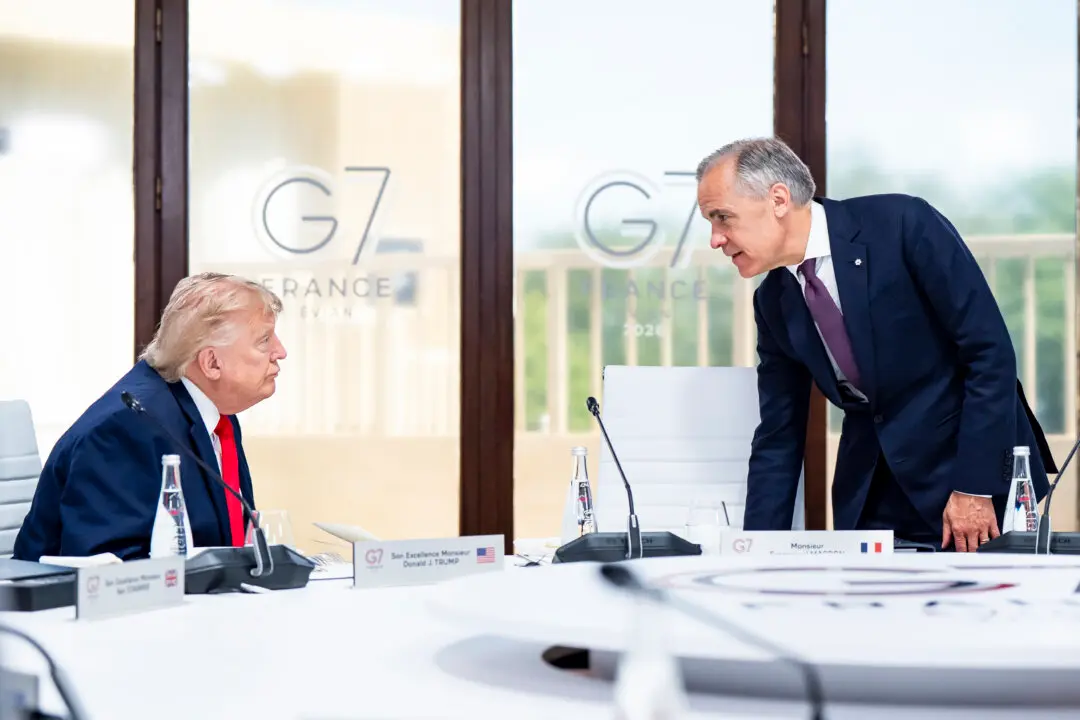
U.S. President Donald Trump has recently spoken out on the persecution of Nigerian Christians. He has suggested the U.S. government will consider military intervention to stop what he called the “mass slaughter” of Christians at the hands of Islamic terrorists in the African nation.Trump threatened to cut off all aid to Nigeria and suggested that ground troops and air strikes may be on the table. He also re-listed Nigeria as a “Country of Particular Concern,” a formal designation that can lead to sanctions and other consequences.
Nigerian Information Minister Mohammed Idris said on Nov. 5 that Trump’s threats were based on misinformation.
Idris acknowledged the country has faced “longstanding” and serious security challenges since the 2009 emergence of Islamist terror group Boko Haram and other “criminal elements,” but said the Nigerian government has taken decisive action.