On the same day MPs voted down a Tory motion to scrap Ottawa’s electric vehicle (EV) mandate, the environment minister said the government will bring back the consumer rebate program for purchasing EVs.
While leaving the House of Commons on June 17, Environment Minister Julie Dabrusin told The Canadian Press that the federal government is planning for a renewed consumer rebate program, but that the details are still being worked out.
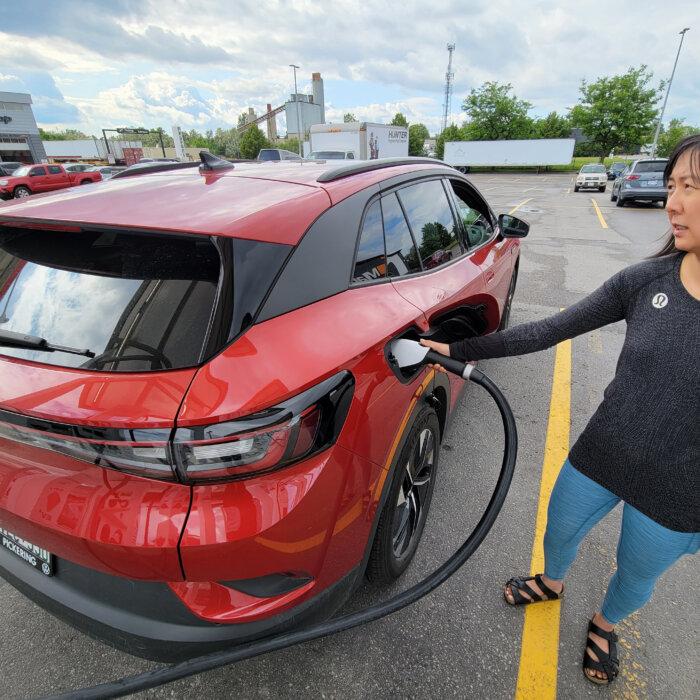
The Incentives for Zero-Emission Vehicles program (iZEV) aimed to make new EVs more affordable for Canadians by providing rebates of up to $5,000 to individuals purchasing or leasing EVs.
Opposition to Mandate
Tory MPs have been critical of the Liberals’ EV mandate, which former Prime Minister Justin Trudeau’s Liberal government introduced in 2022.Conservative MP Melissa Lantsman said in the House the mandate will make it less affordable for Canadians to purchase a vehicle, and that a ban on gas-powered vehicles was “authoritarian, misguided, and altogether nonsensical.”
Lantsman said that she is not against the idea of EVs, and that using them is beneficial in certain communities, but that for those in rural areas that need to drive long distances in cold winter temperatures, the mandate “makes no sense and is not rational.”
Lantsman expressed concern in a social media post the same day that EV mandates will penalize automakers that do not sell enough electric vehicles, saying the costs would be passed on to consumers.
“Consumers will face higher prices. Dealers will face unsellable inventory. And Ottawa will face absolutely no accountability, because — as always — it’s the thought that counts and they know more than you,” Lantsman said.
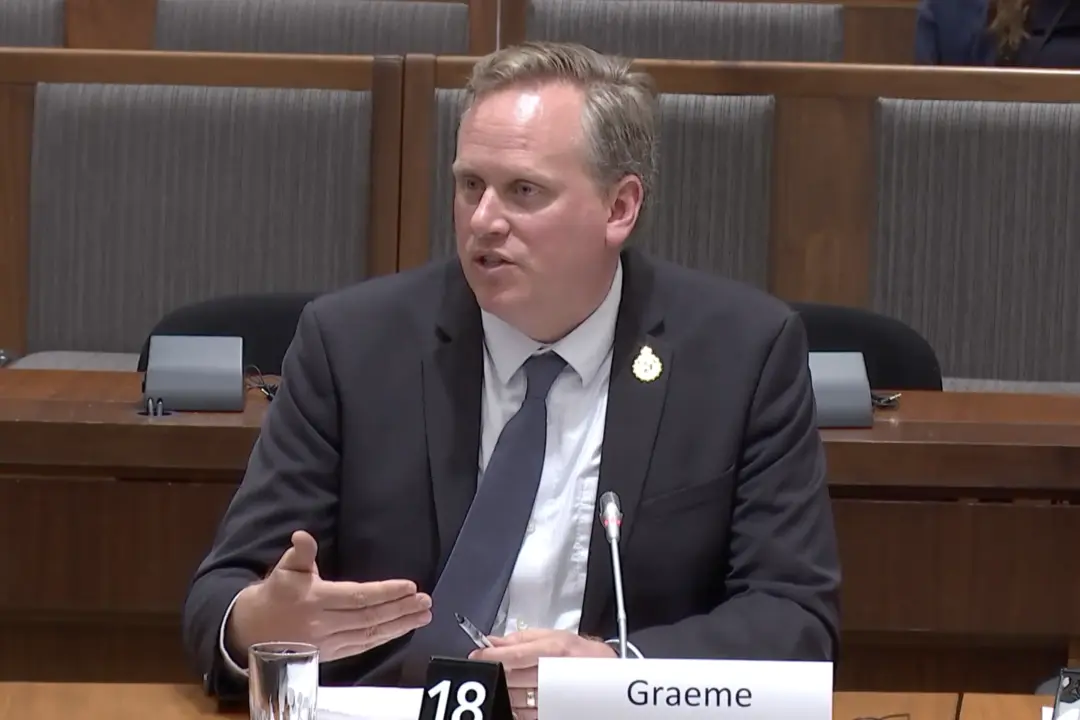
In response to criticism from Conservative MPs that the mandates will add uncertainty for automakers already grappling with U.S. tariffs, Dabrusin told the House that the government is supporting workers and investing in the sector.
“We stand with our auto workers,” Dabrusin said. “We have been investing in our auto industry, and we will keep making sure that we have strong union jobs in our auto sector.”
Sales Targets
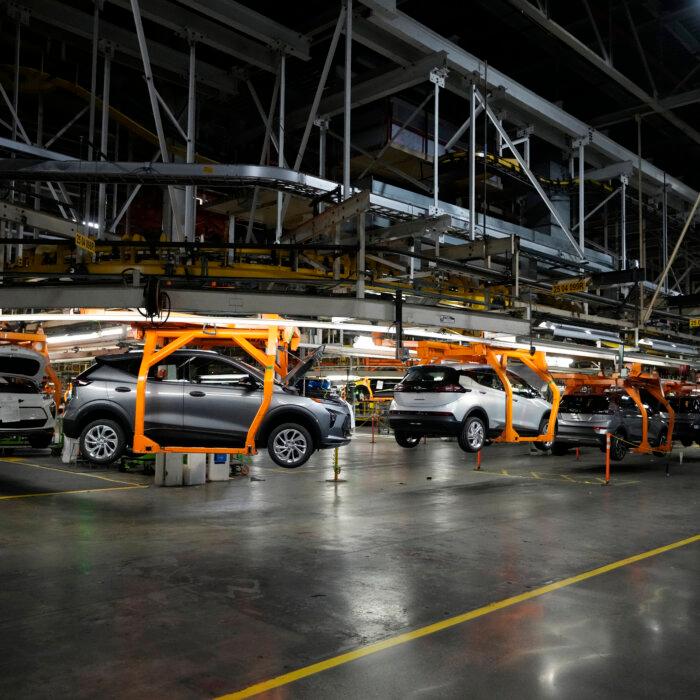
Canada’s Electric Vehicle Availability Standard set sales targets for zero-emission vehicles, including a 2026 interim target for EVs to represent at least 20 percent of all new light-duty vehicle sales. The goal is to achieve 60 percent by 2030, and ultimately 100 percent by 2035.The mandate sets out that all sales on new gas-powered vehicles would be banned by 2035, while sales of used gas-powered vehicles would still be permitted.
Quebec experienced the largest decline of 50.8 percent, although the province had accounted for over half of Canada’s new EV sales in 2024. The province’s EV subsidy program was temporarily suspended from Feb. 1 to March 31 this year. Meanwhile, EV sales in Ontario, Manitoba, New Brunswick, Nova Scotia, Prince Edward Island, and Saskatchewan all increased in the first quarter this year compared to the same period last year.