Conservative and Bloc Québécois MPs sitting on the House committee for public safety and national security are calling for an emergency meeting to seek answers in the case of a Canadian NATO intern recently charged with espionage in Belgium.
The unnamed Canadian national was arrested July 24 in Mons, Belgium, and faces charges related to espionage and participation in a criminal organization. Belgian authorities say the suspect is of “Chinese origin” and is accused of spying on behalf of an unspecified “third country.”
“Canadians need answers. How was an individual now facing serious espionage allegations able to secure an internship at NATO’s military headquarters?”
Caputo said the committee needs to examine how security screenings were carried out, whether Canadian authorities or allies had identified any concerns prior to her arrest, and whether sufficient information-sharing and surveillance measures were in place.
The suspect was taken into custody and charged following a search of her home and work computers at NATO’s Supreme Headquarters Allied Powers Europe (SHAPE) military headquarters. The Belgian prosecutor’s office said concerns over her conduct were first reported to NATO authorities and later passed on to Belgian police, who carried out the search and arrest.
The suspect has not been named by Belgian or Canadian authorities, but online work profiles appearing to belong to the suspect show a work history with various Canadian government agencies including Statistics Canada, the Canadian Space Agency, and the National Research Council of Canada.
The House committee on public safety and national security is currently chaired by Liberal MP Jean-Yves Duclos, with Bloc Québécois MP Claude DeBellefeuille, and Caputo serving as vice-chairs.
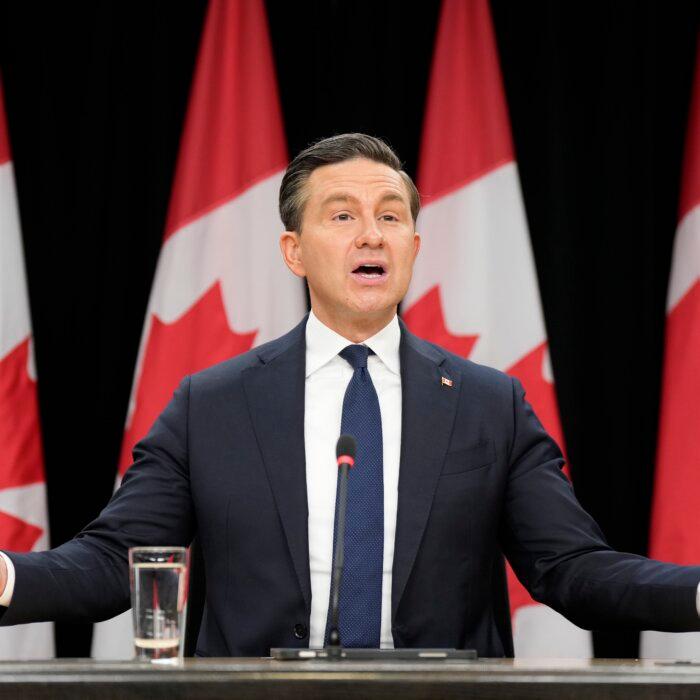
“How is it that this individual was not captured in the vetting process originally, but that other countries and governments were able to have the intelligence to find this troubling information?” the Tory leader said.
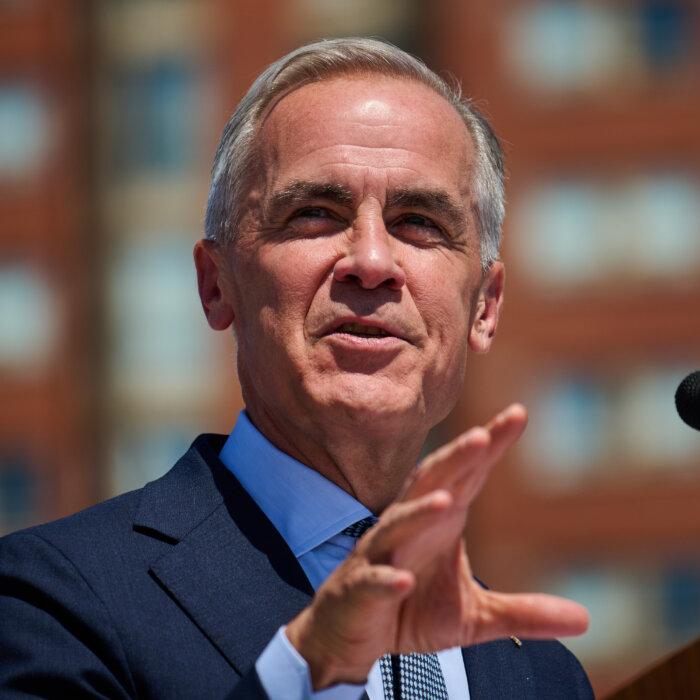
“Canadian law enforcement and Canadian authorities are continuously monitoring and will monitor the impact of the work this individual has done, if they have done any work in Canada,” he said July 27.
“Ultimately we need to get to the bottom of this, and we need to ensure that these types of incidents do not occur in the future.”
Caputo said the call for an investigation goes beyond “partisan politics” and aims to tighten national security protocols while maintaining the trust of Canada’s alliances.
“Parliament must determine whether there were gaps in Canada’s security screening system and whether those gaps could have exposed sensitive information or put the security of Canada and our allies at risk,” he said.