The number of food bank visits in Toronto surpassed 4 million between March 2024 and April 2025, with children and youth accounting for one out of every four clients, according to a new report.
“Almost a year after the City of Toronto declared a food insecurity state of emergency, we’ve reached a devastating new milestone: over 4.1 million food bank visits in the past year,” reads the “Who’s Hungry” report released on Oct. 27.
“It was only five years ago that the number was below 1 million.”
The report indicated that although there was a “surge” in the number of new food bank clients in the Toronto region from 2021 to 2024, this year has seen them “relying on food banks more frequently, and for longer periods of time.”
Food bank usage in the city has increased by 340 percent since 2019 and, for the second consecutive year, more than one in 10 Torontonians have relied on food banks, up from one in 20 just four years ago, the report found.

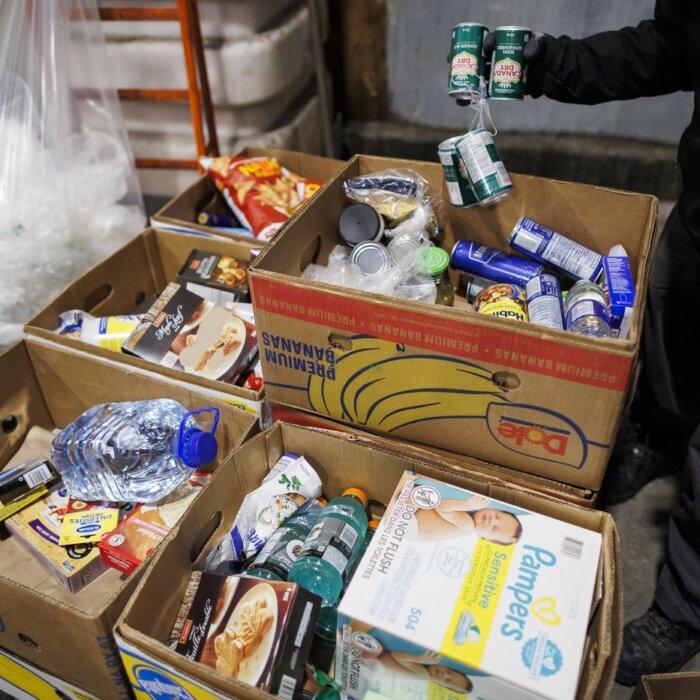
Children now make up a total of 25 percent of all Toronto-area food bank clients, and 18 percent of households with children reported that their kids went hungry at least once a week over the last three months, up from 13 percent last year.
When food bank visitors were asked about their reasons for using the bank, 96 percent attributed it to the increasing cost of living. Fifty-three percent also reported delayed wages, while 47 percent mentioned low wages, 31 percent cited unemployment, 22 percent reported relocation, and 14 percent indicated their benefits had been altered.
Liberal House Leader Steven MacKinnon responded that the government is focusing on four key areas to address the issue, including benefits for people with disabilities, providing dental care, offering meal programs in schools, and supporting the national housing strategy, which he said were “all programs that the Conservatives voted against.”
The Liberals have said that in the upcoming Nov. 4 budget, the national school food program will be made permanent, which will provide meals for up to 400,000 Canadian children.
Poilievre said that Liberal programs “feed bureaucracy, lobbyists, consultants and insiders, but they do not feed kids,” and that Canadian families have seen their paycheques “vaporized by Liberal taxes and inflation.”
“It took decades to reach one million visits to food banks in a month, but just half a decade to more than double that,” he said.