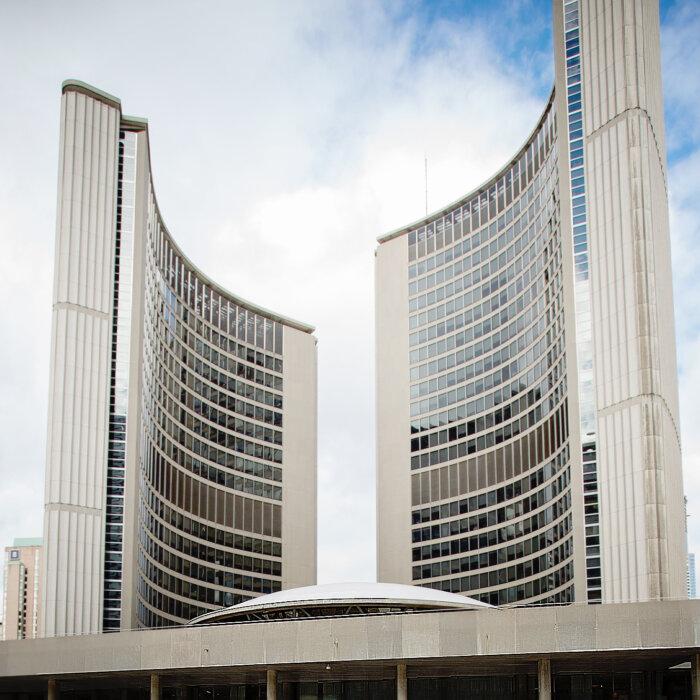
Toronto city council has approved Mayor Olivia Chow’s proposal to hike land transfer taxes on the purchase of “luxury” homes worth $3 million or more.
Chow’s motion passed with a vote of 17–7 on Dec. 17.
New Rates
The new rates are expected to go into effect on April 1 and generate approximately $13.8 million in revenue for the city.Those purchasing luxury homes can expect to pay 0.9 to 1.1 percent more on land transfer taxes. Taxes on homes worth $3 million to $4 million will increase from 3.5 percent to 4.4 percent, while taxes on homes worth $20 million or more will increase from 7.5 percent to 8.6 percent.
Chow said the tax hike is “how we can help support to make life more affordable for everyday families.”
Toronto’s chief financial officer, Stephen Conforti, told council that the tax hike is unlikely to have a major impact on the luxury home market as luxury home sales have remained steady despite an overall decrease in sales of homes in Toronto worth less than $3 million.
Conforti said property taxes make up roughly 90 percent of the revenue Toronto generates.
Coun. Vincent Crisanti said he couldn’t support the motion and raised concerns about targeting those who purchase luxury homes in Toronto. He said simply saying “they can afford it” is “quite insulting,” and the tax hike is a “penalty” for those who are successful and work hard.
“The wealthy already contribute to the economy in so many ways, and with this additional tax on luxury homes, we’re deterring these people from wanting to invest in our city,” Cristani said.
Coun. Stephen Holyday also opposed the tax hike, saying it is meant to “take money from someone that earned it and to give it to somebody else that didn’t.”
“I think a lot of people are upset about this, not because they’re going to be paying this tax, but because they have concerns with the idea that the municipal government is going to siphon off more money,” Holyday said.
Meanwhile, Coun. Lily Cheng said that sometimes the municipal government has to “do some of that redistribution work where we rely on increasing the taxes on those who have wealth in order to better serve the most vulnerable.” She said “the disparity of income distribution” is a problem in Toronto.