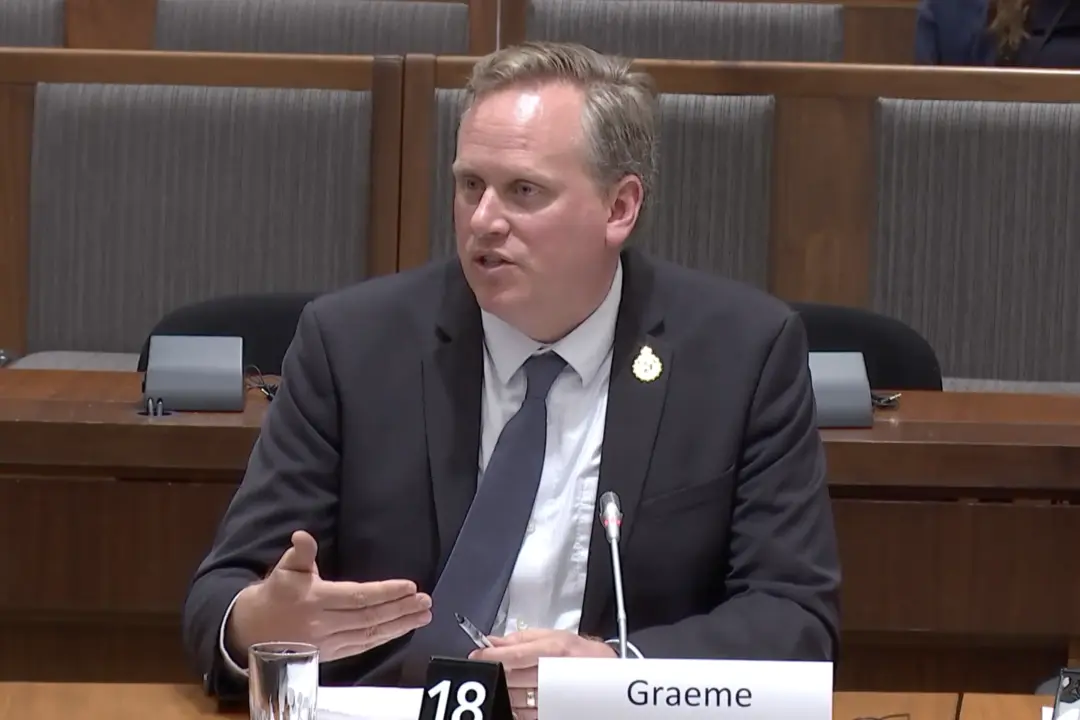
The Tories are calling on the federal government to reduce taxes on severance pay for auto workers who lost their jobs last year when General Motors shut down its electric vehicle plant in Ingersoll, Ont., due to low demand for its EV offerings.
The Tory MPs said that although the laid-off workers are receiving severance and related lump-sum payments from GM, the government’s mandatory withholding “can leave them taking home tens of thousands of dollars less than they are ultimately entitled to.” They said waiting to recover those funds at next year’s tax season “is not a solution for someone who has just lost their paycheques.”
“These men and women worked hard, played by the rules and built things this country depends on. The least your government can do is stop taking their money at the worst possible moment,” the letter said.
“That is why I am asking you to use your existing authority to reduce the amount of tax withheld on these payments for workers affected by the GM CAMI layoffs.”

The company said it would provide employees who lost their jobs with six months’ salary, with the potential for lump sum payments and other benefits.
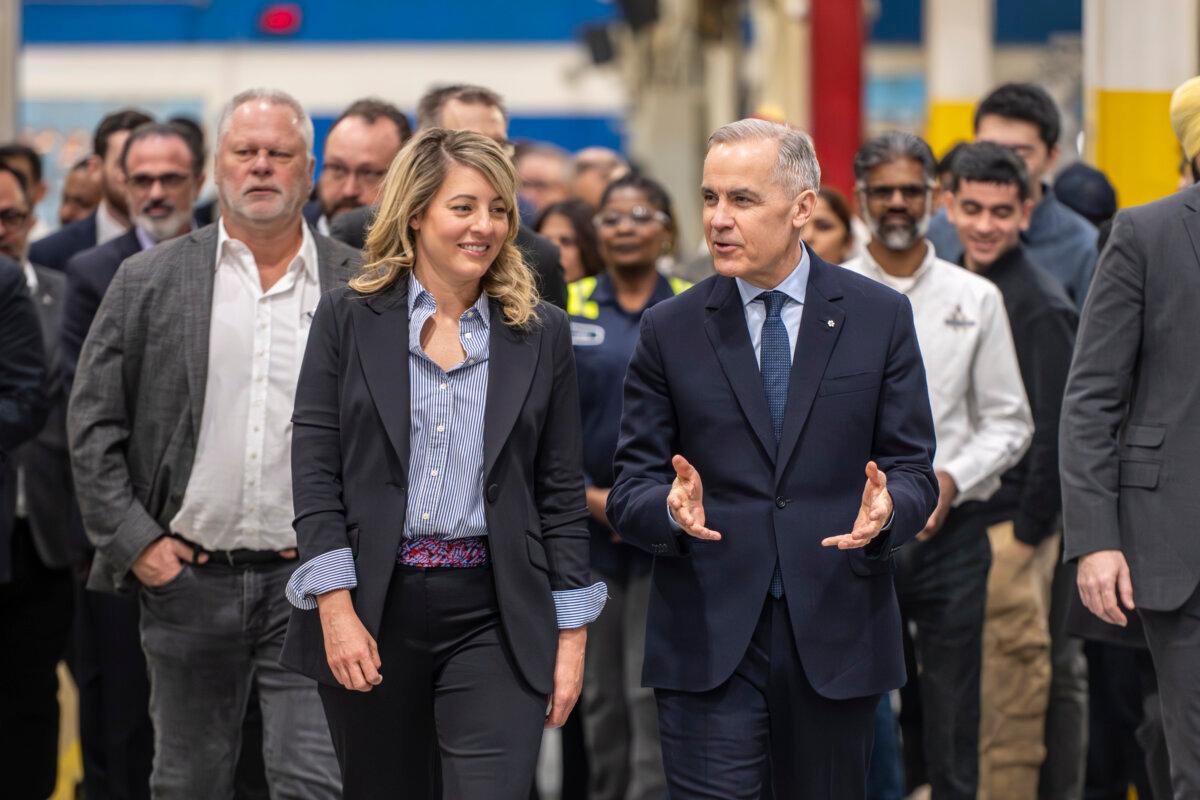
Industry Minister Mélanie Joly had told reporters in October that she had spoken with the local union leader and Ontario Premier Doug Ford about GM’s decision, and said they had agreed to push for new production at the Ingersoll plant in an effort to fight for the 1,200 jobs.
He said the laid-off GM workers received “more bad news” as they received their payouts from GM last week and found out more than 50 percent of their severance packages were being withheld for taxes.
“These workers have called me and told me that it feels like they’re being kicked down while they’ve already been on the floor,” Khanna said.
Seeback, who also spoke at the press conference, reiterated the Conservatives’ call to eliminate the industrial carbon tax, and called on the Liberal government to remove HST from all Canadian-made vehicles to encourage Canadians to buy those vehicles, spur local production, and bring back some of the jobs that have been lost due to the impact of U.S. tariffs on autos.
He also said the Tories are urging the federal government to ensure taxpayer dollars are not used to subsidize or provide rebates for EVs made in the United States.
Auto Strategy
The government announced its new auto strategy last week, which repeals the EV mandate that would have required automakers to produce and sell only EVs by 2035, and instead establishes tougher greenhouse gas emissions standards in an effort to reach an EV adoption rate of 75 percent by 2035 and 90 percent by 2040.The strategy also includes purchase incentives for consumers of up to $5,000 for battery electric and fuel-cell vehicles and up to $2,500 for plug-in hybrids. The incentives will apply to vehicles priced up to $50,000 from countries with free trade agreements with Canada, such as the United States, and would have no price cap for Canadian-made EVs and hybrids.
It also pledges to support auto workers and businesses through its new Work-Sharing gran and allocates $3 billion for the industry from the Strategic Response Fund to help automakers adapt and diversify to new markets.
The Tories dismissed the Liberal’s new auto strategy in their letter, saying Canadians are “still waiting” for the federal government to deliver on the trade deal with the United States that it promised would be in place by July last year.