Conservative MPs are criticizing a social media post from Immigration Canada that encourages people to come to Canada for its health-care system.
“Thinking about moving to Canada? Did you know Canada has public health care? Learn how it works, who can get it and what services are covered,” the Oct. 13 post on X and Facebook reads.
The post links to the website of Immigration, Refugees and Citizenship Canada (IRCC) and provides resources on accessing universal public health care, understanding the types of health insurance, and finding a doctor or dentist.
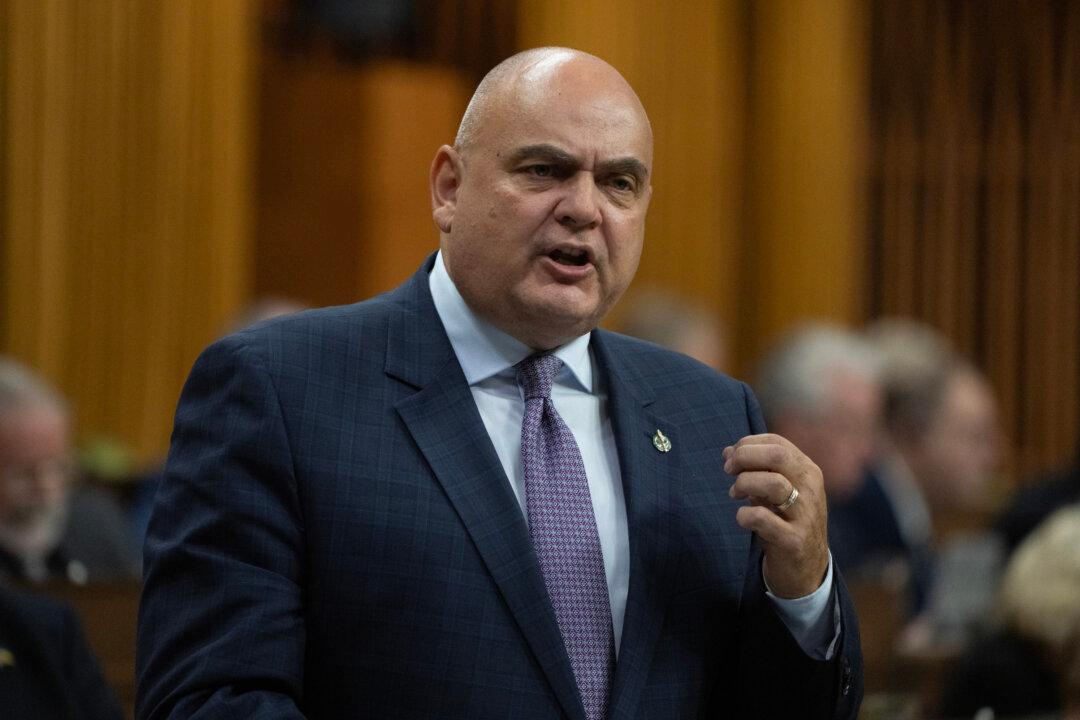
Conservative MP Dan Mazier, who serves as his party’s shadow minister for health, took to social media on Oct. 14 to say the IRCC was advertising Canada’s “free health care” to the world at a time when 6.5 million Canadians don’t have access to a family doctor and patients are “dying waiting for care.”
“Instead of fixing the crisis at home, the Liberals are running international ads bragging about a broken system to increase immigration numbers,” he said, adding that the post is unfair both to Canadians waiting for health care and newcomers being “sold a false bill of goods.”
Conservative MP Leslyn Lewis also said it was a “painful irony” that the federal government is inviting people to immigrate to Canada for its health care while the country’s medically assisted dying regime has led to more than 60,000 deaths in the past decade. “Before this government spends millions inviting more people to come, it should first fix the system so those already here can truly live,” she said.


Conservative MP and shadow immigration minister Michelle Rempel Garner said in a social media post that Immigration Minister Lena Diab should “read the room.”
IRCC spokesperson Isabelle Dubois told The Epoch Times in a statement that the Canadian government is focused on “attracting the best talent in the world to grow our economy,” while simultaneously decreasing the population of temporary residents.
Dubois also noted that since 2023, more than 23,000 workers in the health-care sector have been invited to apply for permanent residence, which has allowed them to continue serving Canadian patients.
“We’re letting those we want to attract know that our country is a great place to live, work, and contribute to the Canadian economy,” she said.
Immigration
Canada’s population grew by nearly 1.3 million people between January 2023 and January 2024, with Statistics Canada noting that 97.6 percent of that growth was due to immigration.While the federal government tabled a new immigration plan in October 2024 that capped annual quotas for new landed immigrants at 471,550 in 2024 and 395,000 this year, Conservatives have said immigration rates remain unsustainable and have negatively impacted housing costs and health care.
Prime Minister Mark Carney has said too many immigrants were let into Canada over the last few years, and noted during the last election campaign that he would cap immigration until it returns to its sustainable, pre-pandemic trend. The country’s population grew by just 0.1 percent in the first and second quarter of 2025, according to Statistics Canada.
Immigration Minister Diab said on Sept. 22 in the House of Commons that the Liberal government is intent on “ensuring that our immigration system becomes sustainable, as well as intent on protecting our borders.” She also noted that 100,000 fewer international students arrived in 2025 because Ottawa put a two-year cap on permits at the start of the year.
“Canadians have given us a mandate to restore our international student program to sustainable levels, and that is what we are doing,” Diab said.
The House of Commons health committee voted on Sept. 23 in favour of a Conservative motion to study the impact of the federal government’s immigration policy on health care, with a report to be released in 2026.
Editor’s note: This article has been updated to include comment from Immigration, Refugees and Citizenship Canada.