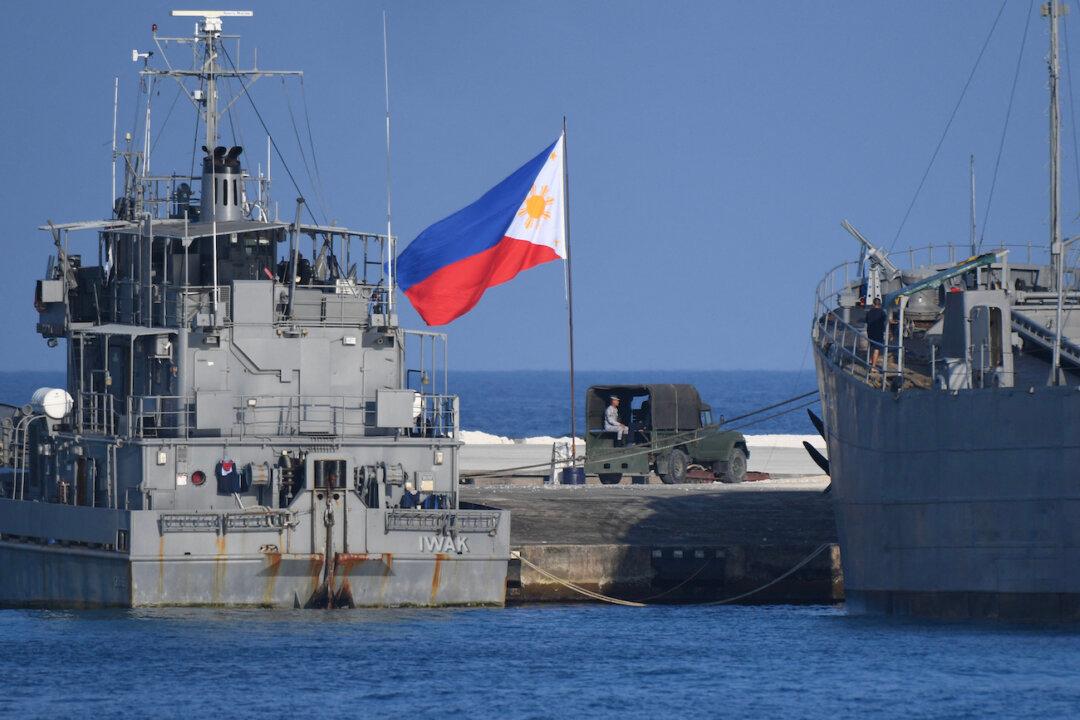
Threat levels of violent extremism linked to COVID lockdowns have decreased markedly over the past year, according to Australia’s domestic spy chief.
“It is true; there are less people in this country who want to conduct active violence in the name of their cause,” said Mike Burgess, head of the Australian Security Intelligence Organisation (ASIO).
“The volatility has reduced. In particular, around COVID. So, there is less angst these days as we’re not subject to mandates,” he told a Senate Estimates hearing.
He also noted that while the department had seen a significant reduction in the number of cases they were investigating, there was still a small amount of volatility from individuals maintaining grievances around the pandemic response.
According to ASIO, right-wing extremism accounted for 50 percent of the agency’s caseload but dropped to 30 percent since lockdowns and mandates eased.
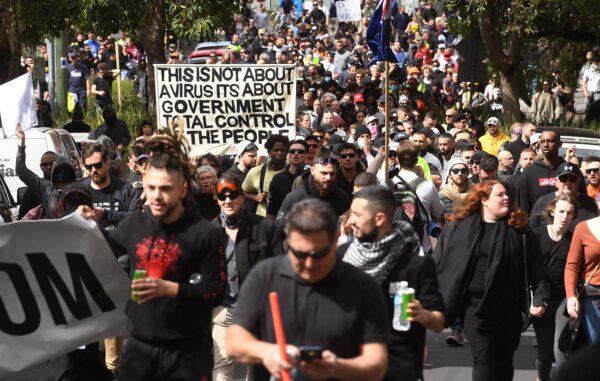
The domestic spy boss shot down theories that anti-mandate protestors were tied to extremists.
“We did not see nationalist and racist, violent extremists, or neo-Nazis egging that on or running to that cause other than, of course, they were using the dissatisfaction and angst towards a potential recruitment mechanism,” Burgess said.
His comments come after thousands of Australians took to the streets in Canberra on Feb. 12, 2022, during the pandemic years against vaccine mandates, while there were extremist elements in some quarters, many participants were frontline workers who had lost their jobs over the jab.
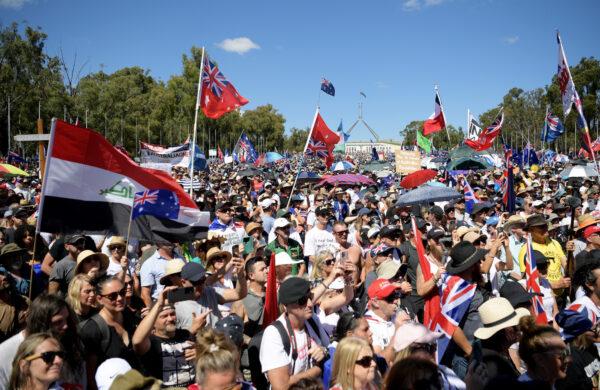
The actual number of protesters at the rally is disputed, with some claims on social media saying figures up to 300,000, while police say the numbers were closer to 10,000.
Other protests also took place in capital cities including Sydney, Brisbane, Gold Coast, Perth and Melbourne.
The Biggest Threats That ASIO Now Faces
He said the biggest threat now was radicalised individuals who would resort to violence with little to no warning.“They’re acting on their own because something has set them off, including maybe the group they’re in isn’t satisfying their need to do what they believe it is they should do,” he said.
The ASIO chief said “religiously motivated extremists” now comprised most of the agency’s workload, with Sunni Islam the “principal concern in the terrorism space.”
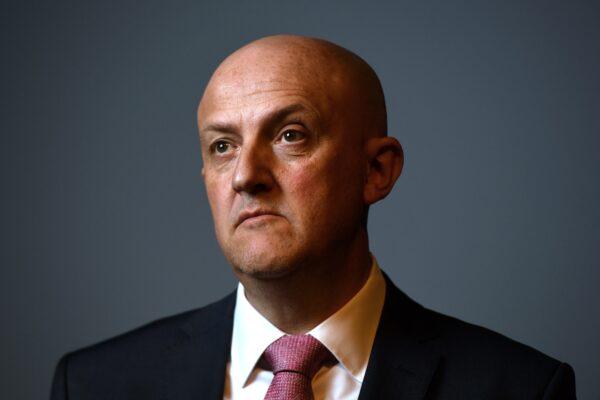
Burgess was also asked by presiding senators why right-wing nationalist groups, like the Proud Boys, Combat 18, and Blood and Honor were not identified as terrorist organisations despite being banned in countries like New Zealand, Canada, and France.
He said ASIO did not handle terrorist listings and noted that Australia set a very high bar for listing organisations.
‘That group must be a number of things, including advocating and conducting acts of terrorism,” he said.
“So if you have a group that is of any ideology, including nationalist and racist foreign extremism, if they’re not advocating acts of terrorism as defined under law, then they cannot be listed,” he added.