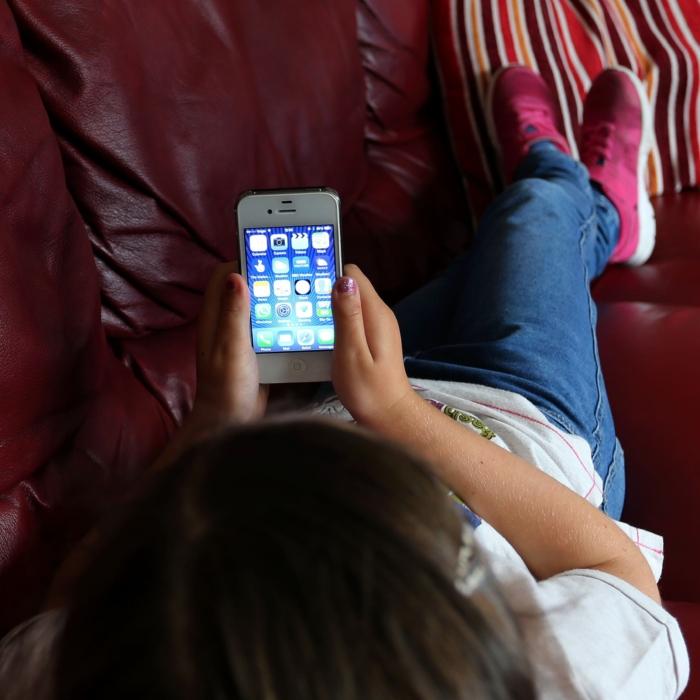
A grassroots movement encouraging parents to delay giving their children smartphones is taking off, with new statistics showing more than 10,500 pledges across 1,500 Australian schools.
Kicking off in July 2024, the Wait Mate program was modelled on the U.S. “Wait Until 8th” campaign, which encourages parents to wait until children are in Year 8 before giving children smartphones.
Parents join the Wait Mate campaign by registering pledges, which have risen 321 percent since the program began.
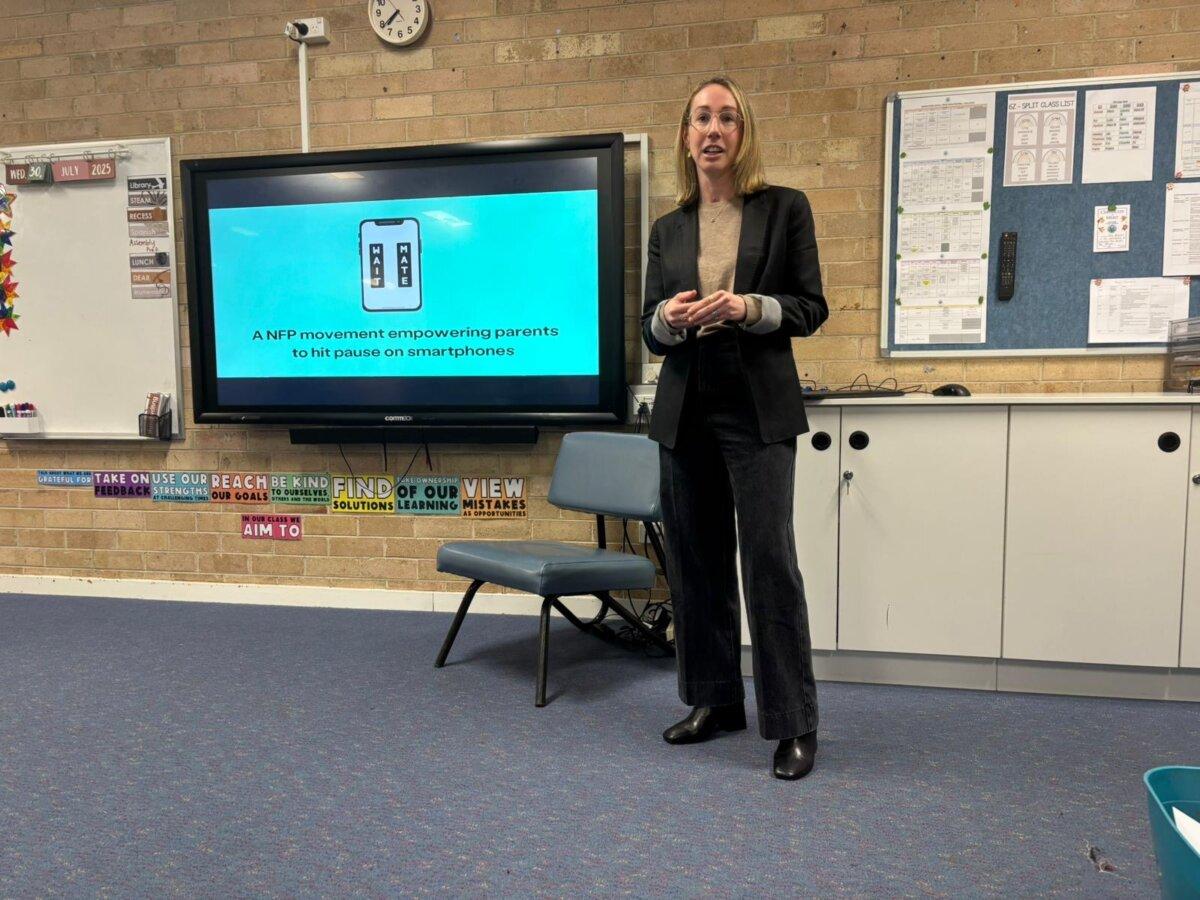
Wait Mate co-founder Amy Friedlander said the early results were encouraging.
“Seeing the spread of Wait Mate across our country proves that we are at the tipping point for change—the time to give our kids back their childhoods is right now,” she said.

“With our new School Stats page, you can witness this occurring in real time, and it is very encouraging.”
Some schools, such as Reddam House Sydney, have taken a collective approach and banned smartphones entirely.
Primary Principal Warren Garratt said the program had helped his school implement the measures.
“We are incredibly grateful for Wait Mate’s support,” he said.
“Their expertise has enabled us to create a transparent and accessible process that allows parents to see the real-time, registered support across our community.”
Crunching the Numbers
New South Wales is so far leading the way, with 4,304 individual pledges and 480 schools on board.Western Australia has the next highest rate of uptake, with 3,261 individual pledges and 378 schools in support.
Victoria has had the third-highest rate of uptake, with 1,737 pledges and 339 schools listed.
Queensland has 806 individual pledges and 228 schools, while South Australia has 405 pledges and 98 schools on board.
Lack of Sleep, Poor Mental Health
A 2024 University of South Australia study polled more than 50,000 primary and secondary school students between ages 7 and 19 to study links between smartphone use, sleep, cyberbullying, and mental health.The university’s Behaviour-Brain-Body Research Centre could not determine whether one habit stemmed from another, but warned that the findings showed parents needed to manage digital device access.
Around 66 percent of teenage girls reported being cyberbullied at least once in a school term, while 58 percent of boys reported the same.
Meanwhile, 17 percent of girls were getting less than eight hours’ sleep a night, while the figure for boys was 13 percent.
“Pre-teens are at higher risk for socio-emotional disorders because they are at a developmental stage where they are less prepared cognitively, behaviourally, and neurobiologically,” research co-author Stephanie Centofanti said.