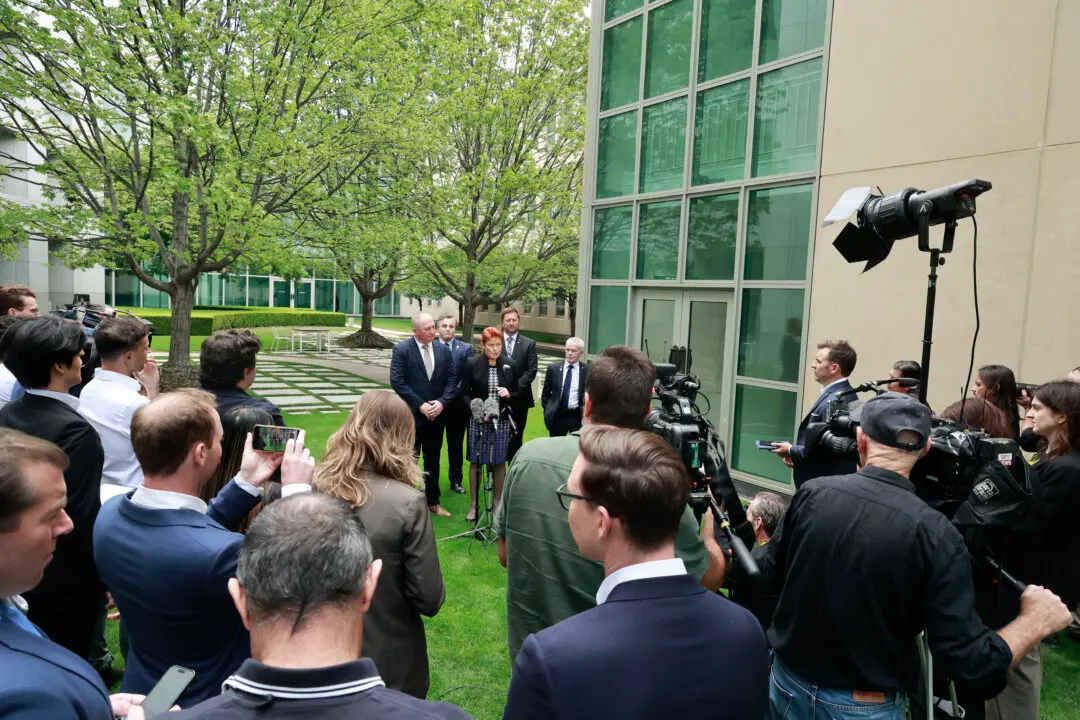
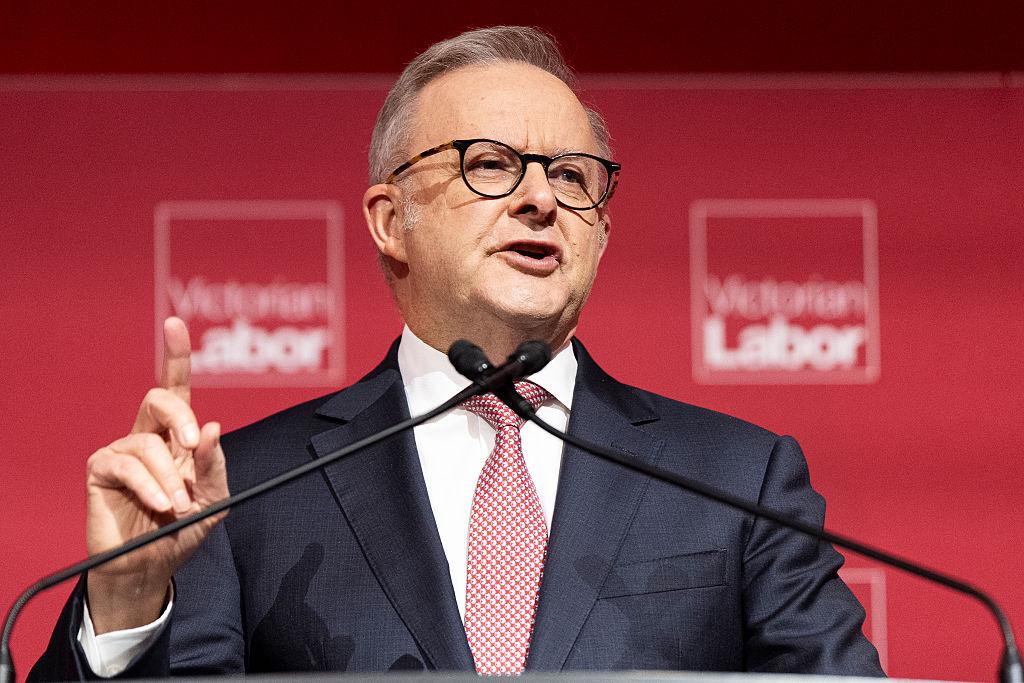
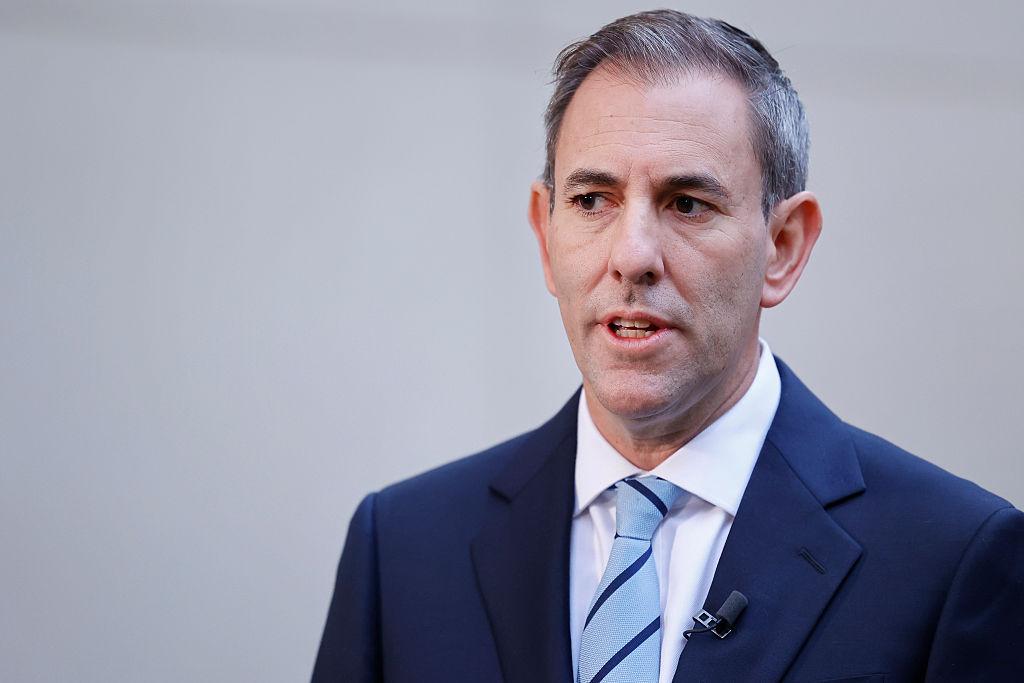
A growing number of young Australians are getting involved in “right-wing extremism,” raising concerns about its impact on the community, a Senate committee has been told.
Speaking at a Senate hearing on June 17, representatives from the Centre for Resilient and Inclusive Societies (CRIS) and the Addressing Violent Extremism and Radicalisation to Terrorism (AVERT) Network presented their findings on far-right extremist movements in Australia in recent years.
According to the definition by the Australian Security Intelligence Organisation, right-wing extremism refers to “the support for violence to achieve political outcomes relating to ideologies, including but not limited to, white supremacism and neo-Nazism.”
The CRIS and AVERT Network representatives said these movements were on the rise in Australia and that they have managed to attract new population groups.
“We’ve seen shifts in the demographic composition of those drawn into far-right extremist networks, narratives, and behaviours, with concerning evidence of children and very young people, as well as older Australians, becoming more involved with extreme right ideologies than previously,” CRIS director and Deakin University Professor Michele Grossman said.
Professor Grossman also said social media was a driving factor behind young people being increasingly drawn into extreme movements.
“Young people who have access to images, to chat rooms, to websites, the whole panoply of what social media can offer, their exposure levels have skyrocketed,” she said.
At the same time, the CRIS director raised concerns that right-wing extremist groups and networks had evolved their approaches, becoming strategic in the way they tailored and targeted their messaging toward young people.
Preventing Young People From Getting Involved in Far-Right Extremism
To address the issue of social media fueling young people’s involvement in right-wing extremism, Professor Grossman emphasised the importance of media literacy for young Australians.“We have called for the integration of that right across the Australian education system,” she said.
Another AVERT Network representative said it was more effective and successful to deradicalise young people who were fence sitters than those who had gone down the extreme path.
She said deradicalisation efforts needed to happen at multiple levels for those people.
“It could be creating sets of toolkits to support recognising disinformation, it could be understanding certain people at risk in a school environment or even in a university environment and working with them to redirect them away from messaging that might be speaking to their grievances or perceived grievances, relative deprivations,” the representative said.
Meanwhile, Professor Grossman said some mentoring programs were effective in helping young people who had been drawn into extremism by providing them with guidance, leadership, and a sense of belonging.
Issues About Right-Wing Labelling
While some community groups and think tanks raised concerns about the rise of right-wing extremism in Australia, some political experts pointed out that there was a problem with the left-right political ideology in Western countries.In an opinion piece for The Epoch Times, Preston Manning, a former Canadian MP who served as leader of the Opposition, said there was an overuse of the “left” and “right” terms by politicians and political pundits even though they were getting increasingly irrelevant.
He gave the example of North American politicians regularly using terms such as “right-wing extremists” and “catering to the left” when criticising their opponents.
Meanwhile, Mark Durie, a senior research fellow at the Arthur Jeffery Centre for the Study of Islam, previously told The Epoch Times that the use of the left-right label in many issues was inaccurate.
“I believe that talk of left and right is often simplistic and a poor way of categorising political movements,” he said.
He also stated that the word “extremism” was too ambiguous and did not indicate the religious motivations of violent behaviour.
“The problem is not ‘extremism’ (i.e. ideas taken to the extremes), but a group’s core ideas, sincerely held. It is not extremism that is the problem, but harmful beliefs and ideological commitments,” he said.
“I believe that wherever possible, labels should be precise, not general, and specific.”