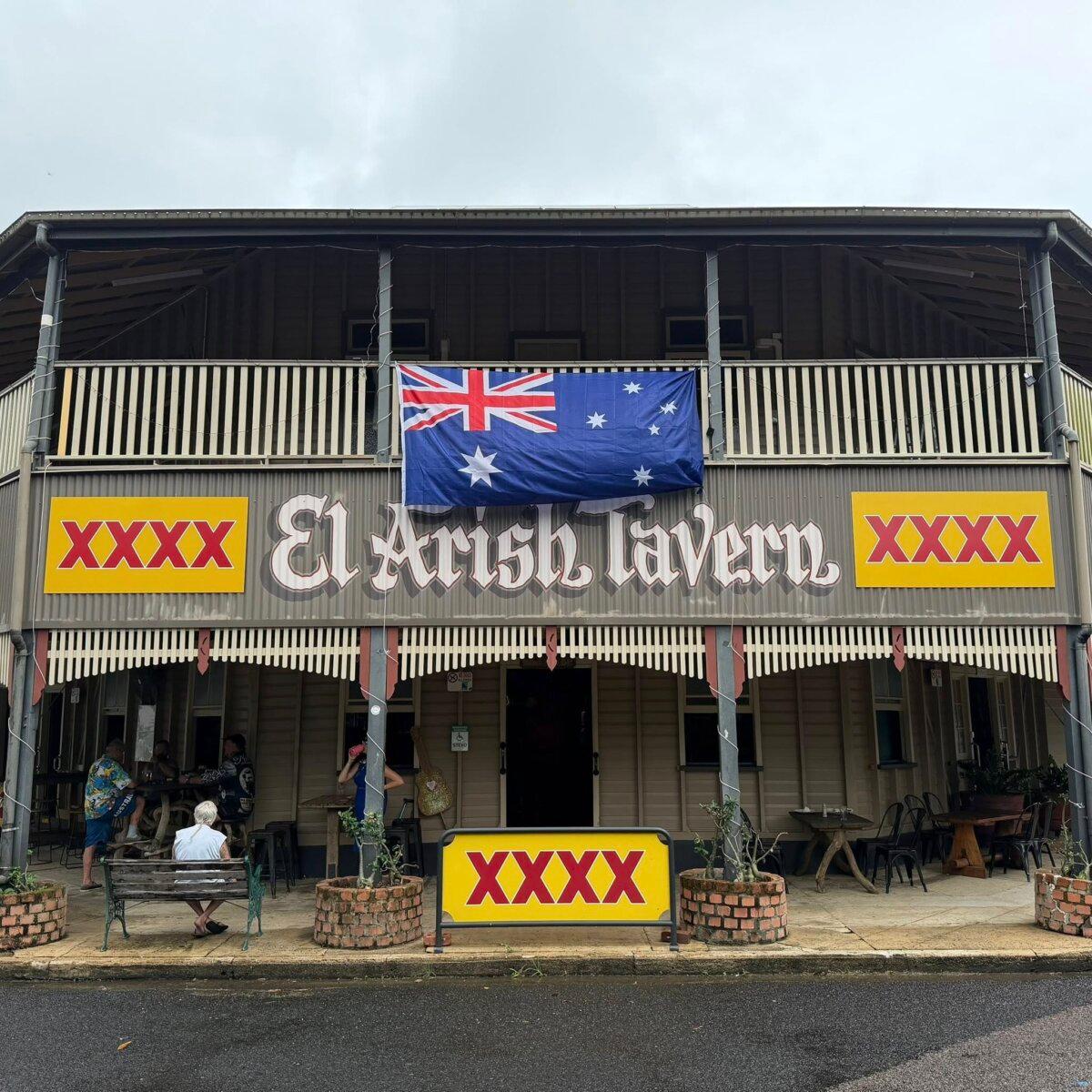
Tori and Alex Muzik put everything on the line when they bought the dilapidated and empty El Arish Tavern in far north Queensland last year.
It was “disgusting,” Alex recalls.
Yet just a year on the establishment thrives, it’s not only home to the viral smoked crocodile dish, it’s now, once again, the lifeblood of a small town of 300—El Arish is named after an Egyptian town and is formerly a settlement area for World War I diggers.
Reviving an Institution
The previous owners had run the venue for 32 years, which is steeped in ANZAC tradition.“They sold it to a gentleman from down south,” Alex Muzik told The Epoch Times. “But they ran it into the ground. They didn’t know what they were doing and so they actually operated for about 10 months.”
Muzik, a former mechanic, and his wife Tory Muzik, a financial advisor, were encouraged by locals to take on the venue—the town was enveloped by a “dark, gloomy cloud” amid its closure, they say.

But reviving the venue was no easy task.
“We hit the ground running before we even opened, like we had weeks of cleaning up to do,” Alex Muzik said.
“This place was so overgrown [with vegetation], it was disgusting. And so we hooked in and cleaned up,” he said, estimating he spent four to five days in a cherry picker cutting down overgrown trees.
Luckily, locals also turned up wanting to help.
‘Too Big of a Risk’
Even before taking up the reins, the business husband and wife had to do a lot of preparation work.“We literally put everything we own on the line to do this,” Alex Muzik said, revealing they couldn’t get finance initially because most banks were turned off at the prospect of backing a pub.
“Pubs are too big of a risk,” they said.
Alex Muzik says he and his wife then got to work making projections, creating business plans, and working like mad to “get it over the line.”
Labor’s Overhaul of Wealth Generating Vehicles
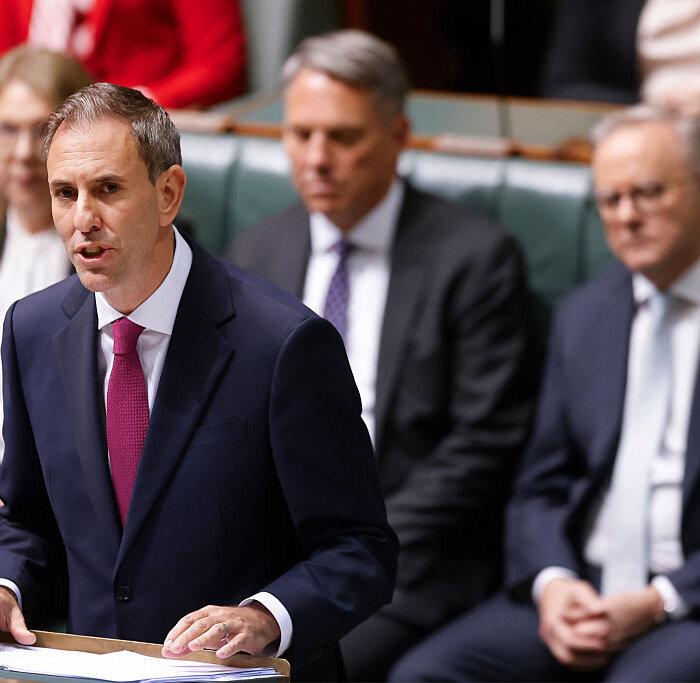
But after Treasurer Jim Chalmers handed down his May budget, the Muziks were quick to join an online viral trend poking fun at the Albanese government as a “47 percent co-founder” of the business.Under Labor’s proposed change to capital gains tax (CGT), owners who sell their investment property or business will be liable for a larger tax.
Previously there was a 50 percent discount on CGT, which is applied to the profit a person makes after selling their asset.
But from July 1, 2027, the discount will be removed and a new 30 percent flat tax will apply, plus any inflation-adjusted gain.
Changes to CGT have been touted by Labor as beneficial to the housing market because it could translate to investors buying up fewer homes if they think they'll get fewer tax concessions.
Another major change is the imposition of a 30 percent minimum tax on any income that goes into a discretionary trust from 2028—another popular vehicle for small business owners to reduce their tax burden.
Frosty Response from Business Owners
But entrepreneurs and small business owners were firm in their response.“You put your home on the line. You miss school carnivals, bath times and birthday parties. You sleep three to four hours a night for months at a time. Your body breaks down, and sometimes your mind,” Wright said.
“I’m all for paying fair tax. I pay plenty of it. But there’s a difference between fair, and discouraging the very people we need building things in this country.”
The Muziks themselves are unsure what their exit strategy will be for their business.
“We never said we’re going to do this for 15 years, we said we’re going to do this until we stop having fun,” Alex Muzik said.
“So, whether that’s in two years, in five years, in 10 years ... what’s so scary is ... we’ve built this business from nothing, it was literally closed, right?
“And we bought it at a really good price. So, when I go to sell this business in a few years’ time—because, honestly, right now, I reckon the business is worth three times what we paid for it—I’m not giving ‘47 percent’ of that back in tax.”
Alex Muzik said such changes leave little incentive for hard work.
Labor Continues Argument About Housing Inequity
Prime Minister Anthony Albanese has stood by the changes arguing the move will help young Australians buy a home by dissuading investors from entering the property market.“We had a productivity roundtable last year that raised these issues about inequity that was there in the tax system and we’ve known for a long period of time that there have been pressures on the housing market,” Albanese said.

Treasurer Chalmers says the reform is challenging, but necessary.
“We need to recognise that a big policy mistake was made at the end of the 1990s which made investing in established homes much more attractive by overcompensating that, and it meant that investing in other types of assets like shares was under compensated,” he told 60 Minutes on June 14.
“If you look at a period between that policy mistake and now, over a couple of decades, then in lots of instances investing in shares was under compensated in the old system.”
Housing is a key policy focus for Labor because a substantial portion of its current voter base is worried about this.
Former Labor advisor Kos Samaras says Labor now attracts inner-city service sector workers as its voter, predominantly in the public and health sectors.
“The bloc is large, but it is geographically concentrated and demographically narrow.
“It is asset-poor, which is its political vulnerability: a Labor Party that cannot deliver housing to its base will, eventually, lose it. Hence, this dynamic in part explains Labor’s Budget strategy. No, the investor class does not fit within this bloc.”