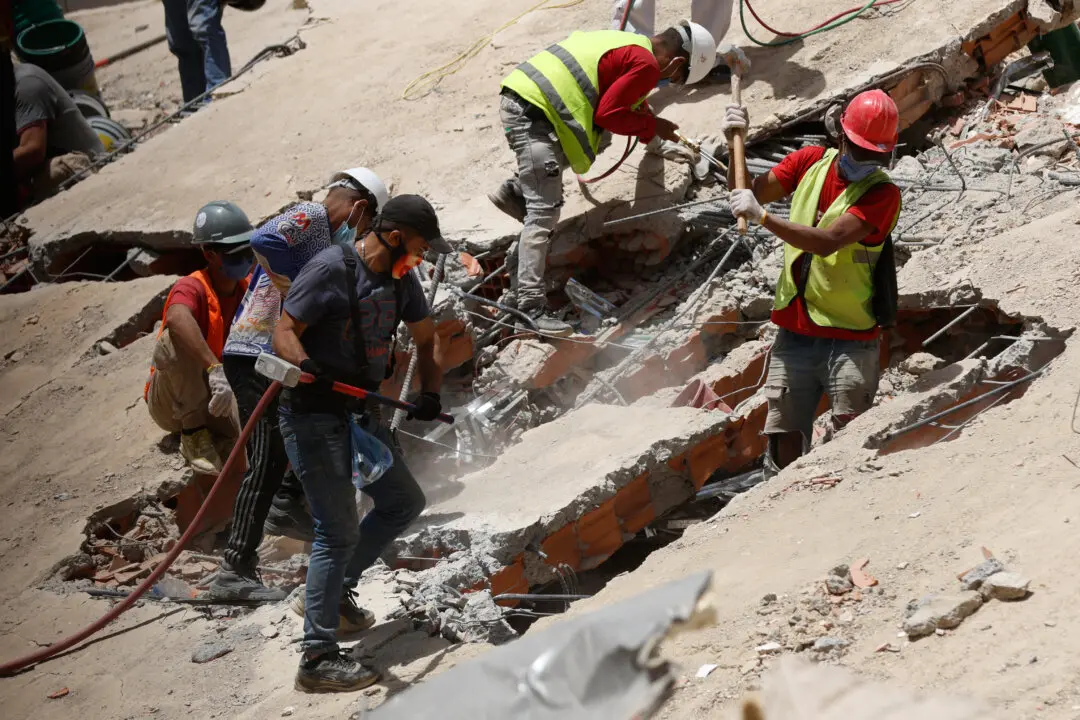
Thailand has released 18 Cambodian soldiers captured, fulfilling a key condition of a new deal to pause fighting along the two countries’ shared border.
The handover took place on Dec. 31 following an agreement reached over the weekend under which both sides pledged to freeze forces in place along the front line, halt reinforcements, and allow civilians living in border areas to return home as soon as possible.
The 18 Cambodian soldiers had been held in Thai custody since July after an earlier round of intense border clashes. Their release was one of the main demands of the Cambodian government in the latest cease-fire negotiations with Thailand.
Cambodia confirmed the return of its troops. Its defense ministry said on social media it is “hopeful” that the move will help build “mutual trust and confidence” between Bangkok and Phnom Penh.
Under the cease-fire terms, the soldiers were to be returned within 72 hours—by noon local time on Dec. 30. The transfer was delayed by a day after Thailand accused Cambodia of violating the truce by flying more than 250 unmanned aerial vehicles into Thai territory the previous day, which Cambodia denied.

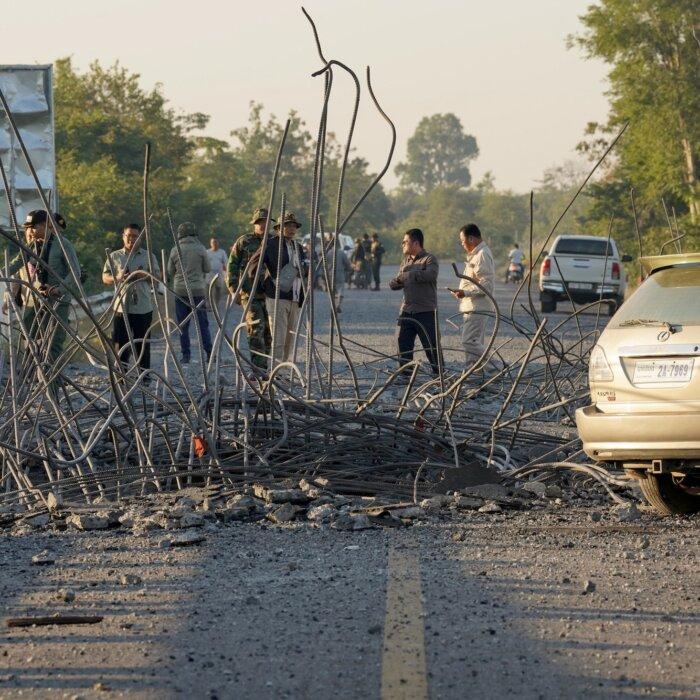
Thailand and Cambodia have long disputed their shared border, with much of the tension stemming from a map drawn in 1907, when Cambodia was under French colonial rule. Sitting on the border is the contested 11th-century Preah Vihear temple complex, which both sides claim as part of their cultural heritage.
Sporadic clashes over the decades have caused casualties among both soldiers and civilians. In May, a Cambodian soldier was killed in a border skirmish. Then in July, five days of intense fighting left dozens of troops and civilians dead and displaced thousands of residents on both sides of the frontier.
The conflict has also become a stage for global powers to showcase their diplomatic influence. The United States and China have both sought to position themselves as peacemakers.
China has also wedged in and, in an unusually high-profile manner, publicized its efforts as a mediator. On Dec. 28, a day after the 72-hour cease-fire was announced, Chinese Foreign Minister Wang Yi held talks with his Thai counterpart, Sihasak Phuangketkeow, in China’s southwestern Yunnan Province, and separately met Cambodian Foreign Minister Prak Sokhonn the same day. All three officials then held a joint meeting on Dec. 29.