Australia’s Therapeutic Goods Administration (TGA) has proposed new safety measures for several sunscreen ingredients following international regulatory shifts and a growing body of local evidence.
It has recommended that products containing homosalate, oxybenzone, and benzophenone—a degradant formed over time—be reformulated to ensure long-term safety.
These ingredients have been widely used in sunscreens to block UV rays, but recent literature and models suggest they may pose risks when used frequently across a lifetime.
The TGA has opened public consultation to decide what levels of these ingredients remain acceptable in Australia, informed by its Australian Sunscreen Exposure Model (ASEM), which reflects high-use patterns, especially among children.
The TGA added that its review is part of its ongoing commitment to monitor and regulate the safety, quality and efficacy of therapeutic goods.
It has indicated that input from the public and data from the ASEM model will shape any future policy decisions.
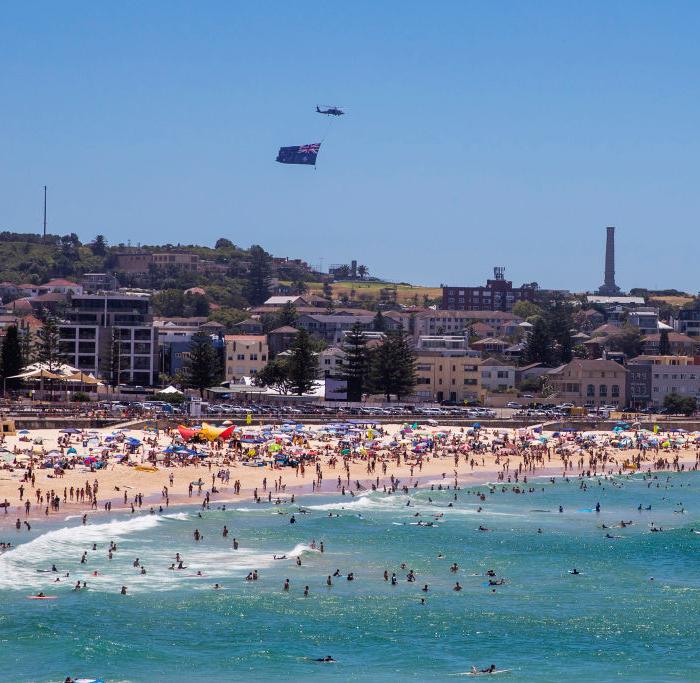
Despite raising concerns, the regulator has reiterated that sunscreen remains critical for public health.
Medical experts have continued to emphasise that the benefits of daily sunscreen use far outweigh theoretical risks.
Most SPF Claims Have Fallen Short in Testing
Meanwhile in a separate report, consumer watchdog CHOICE tested 20 popular SPF 50 or 50+ sunscreens and found that only four met their labelled claims.Products were selected from a wide range of brands and retailers and tested by a certified lab.
La Roche-Posay Anthelios Wet Skin Sunscreen SPF 50+ recorded a protection level of SPF 72.
Neutrogena Ultra Sheer Body Lotion SPF 50 returned SPF 56, while Cancer Council Kid Sunscreen SPF 50+ and Mecca Cosmetica To Save Body SPF 50+ tested at SPF 52 and 51, respectively.
However, Ultra Violette’s Lean Screen SPF 50+ Mattifying Zinc Skinscreen has performed worst, returning an SPF of just 4.
CHOICE Has Called for Enforcement Action
CHOICE has now notified the TGA and the ACCC and urged immediate compliance testing of sunscreens sold across Australia.The group has argued that depending solely on manufacturer-supplied data is no longer enough to protect consumers.
“Consumers expect sunscreen to protect them in line with the SPF rating on the product, but as our testing has shown, the SPF label doesn’t always match what’s in the bottle,” CHOICE CEO Ashley de Silva has said.