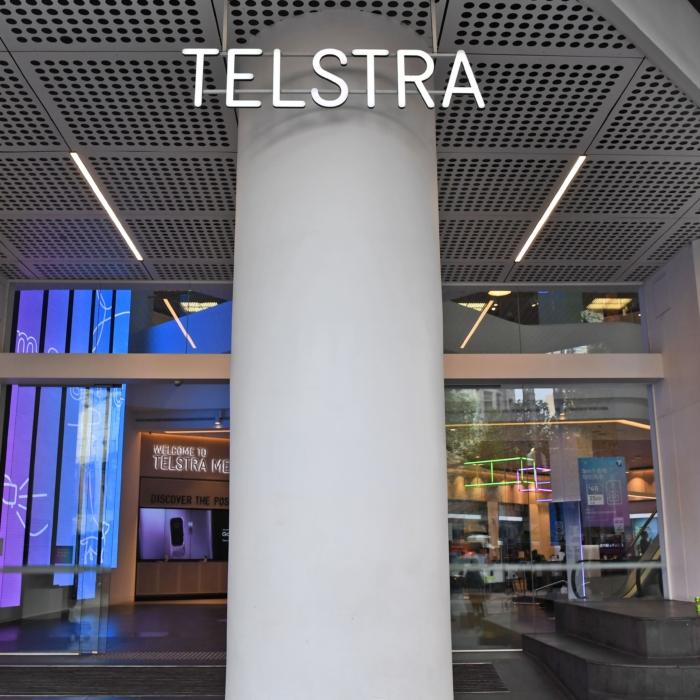
Australia’s largest telecommunications company, Telstra, has reported a 31 percent rise in annual net profit to $2.34 billion (US$1.53 billion) for 2024–25, up from $1.8 billion a year earlier.
It has also extended its on-market share buyback program by $1 billion, in its results released on Aug. 14.
The telco giant says that results were bolstered by tight cost control, a strong mobile division, and proceeds from asset sales.
Revenue edged higher to $23.1 billion, while underlying earnings before interest, tax, depreciation and amortisation (EBITDA) climbed nearly 5 percent to $8.6 billion—within its guidance range.
Shareholder Returns Strengthened
Telstra’s new buyback follows the completion of a $750 million program in June, which helped push its share price to its highest level in almost nine years. Shares have risen 26 percent since January.The new $1 billion buyback will commence on Sept. 8 and run through the financial year.

Brady said the decision reflected confidence in the company’s financial outlook, pointing to “core business cash flow, active portfolio and investment management, and disciplined capital management” as drivers of the move.
Cost Cuts and Asset Sale Boost Bottom Line
The profit surge was aided by a 6 percent reduction in operating expenses and the sale of a 75 percent stake in its cloud computing arm, Versent Group, to Indian technology giant Infosys for $233 million.Telstra will retain a 25 percent share, while about 650 employees will move to Infosys under the deal.
Mobile revenue rose 3.5 percent, driven by customer upgrades to higher-priced devices.
Brady said demand for connectivity would “only grow,” adding, “Our ambition is to be the number one choice for connectivity in Australia and to continue delivering on our purpose to build a connected future so that everyone can thrive.”
The company’s restructuring program, including job cuts—more than 500 announced this year and 2,800 last year—is projected to save up to $350 million and help offset inflationary and energy cost pressures.
In May, Telstra unveiled its new five-year strategy, which included price rises of $3 to $5 a month for most mobile and internet plans, in line with competitors.