Iranian Foreign Ministry spokesman Esmaeil Baghaei said on Aug. 26 that a delegation from Tehran told negotiators from the UK, France, and Germany that triggering so-called snapback sanctions would have consequences.
Baghaei said Tehran told the European countries—collectively known as the E3—that they do not have the right to trigger the snapback mechanism over Iran’s nuclear program. He did not provide details about the possible consequences.
The mechanism is set to lapse on Oct. 18, but the E3 has stated that it will begin the reimposition process unless Iran makes concessions by Aug. 31.
If the mechanism is initiated, it would mean a return to wide-ranging sanctions on Iran, including a conventional arms embargo, restrictions on ballistic missile development, asset freezes, and travel bans for individuals involved in the regime or the nuclear program.
Iran ‘Committed to Diplomacy’
Iran’s deputy foreign minister for legal and international affairs, Kazem Gharibabadi, said in an Aug. 26 post on X that Iran remains “committed to diplomacy and a mutually beneficial diplomatic solution.”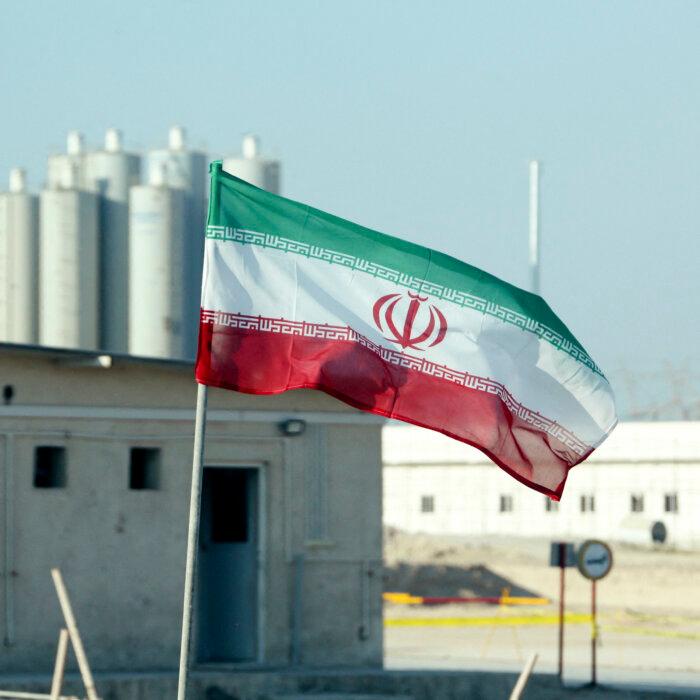
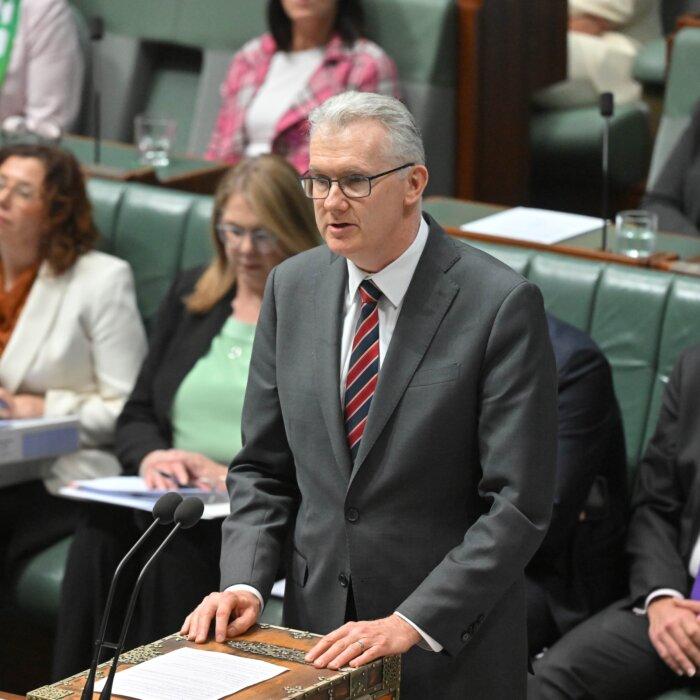
The E3 agreed with the United States to set an end-of-August deadline for triggering the snapback sanctions if Iran failed to meet several conditions.
They included allowing U.N. nuclear inspectors access to all sites in Iran and accounting for 400 kilograms of highly enriched uranium.
Another condition was that Iran must resume direct negotiations with the United States over its nuclear program.
Russia proposed a draft resolution on Aug. 24 to delay the expiration of the snapback mechanism clause until spring 2026.
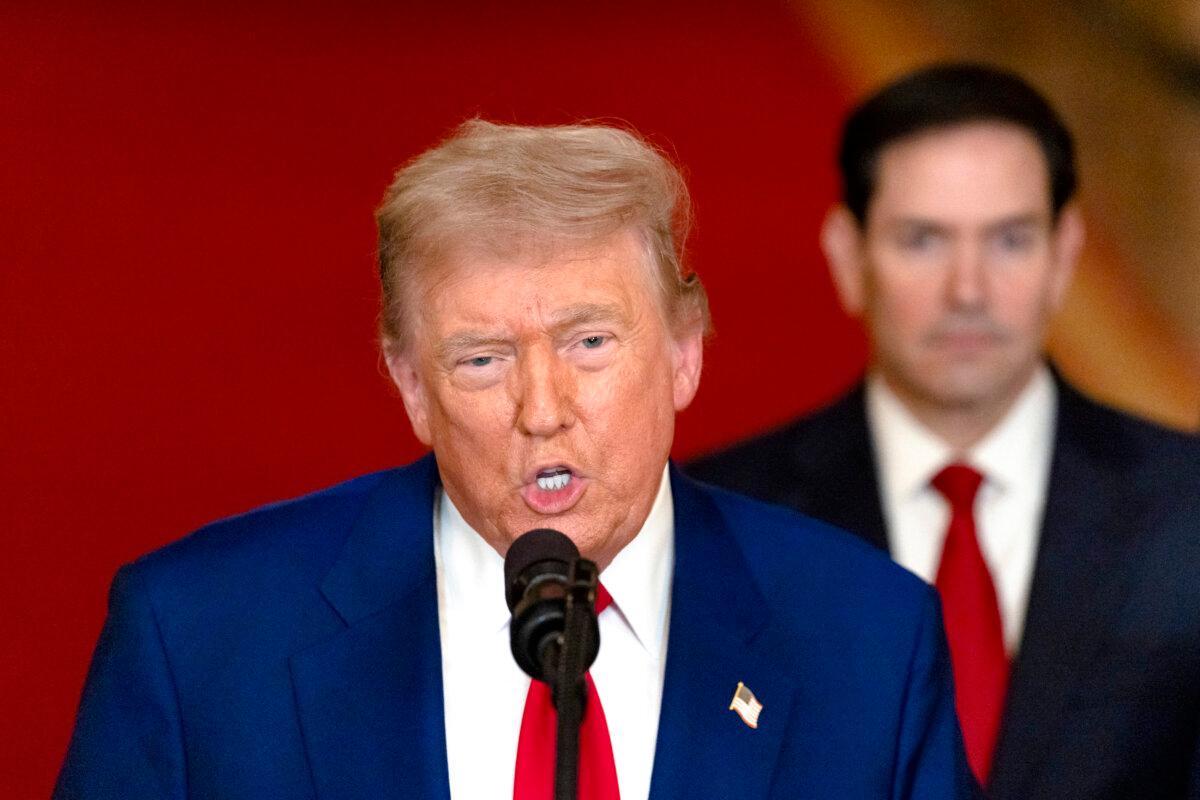
Polyanskiy said, “Hopefully, it will be acceptable, and I think it will be kind of a litmus test for those who really want to uphold diplomatic efforts and for those who don’t want diplomatic solutions but just want to pursue their own nationalist, selfish agendas against Iran.”
By then, Iran had enriched uranium to 60 percent purity, close to the roughly 90 percent required for weapons-grade material.
Iran and the United States were attempting to negotiate a new deal to replace the JCPOA, with a sixth round of negotiations due to take place in Muscat, Oman, on June 15. Those talks were canceled following the Israeli strikes.
Inspectors Back in Iran
The head of the IAEA, Rafael Grossi, told Fox News’ “The Story with Martha MacCallum” on Aug. 26 that a team of IAEA inspectors was back in Iran for the first time since Israel and the United States bombed Tehran’s nuclear facilities.Grossi, who is in Washington to meet Trump administration officials, said Iran had many nuclear facilities.
He said, “Some were attacked, and some were not.”
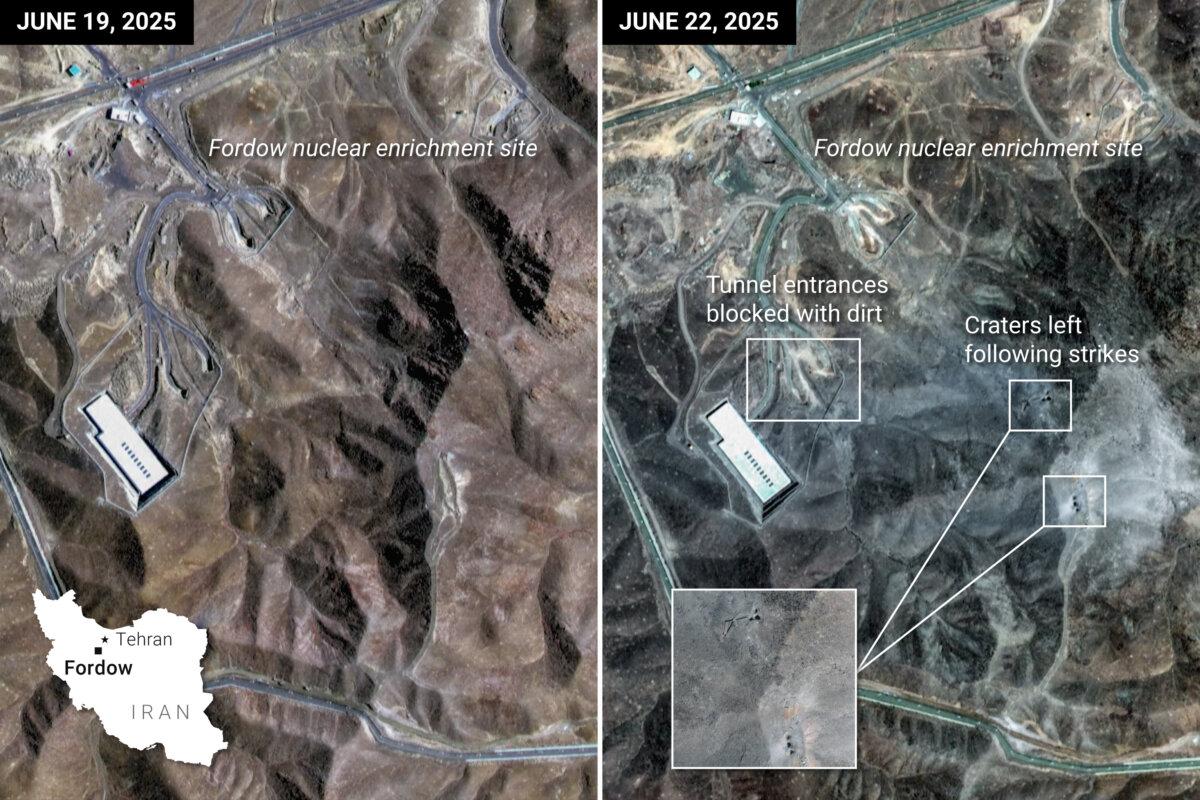
Grossi said the IAEA was in discussion with the Iranian government about restarting inspections.
The Associated Press and Reuters contributed to this report.