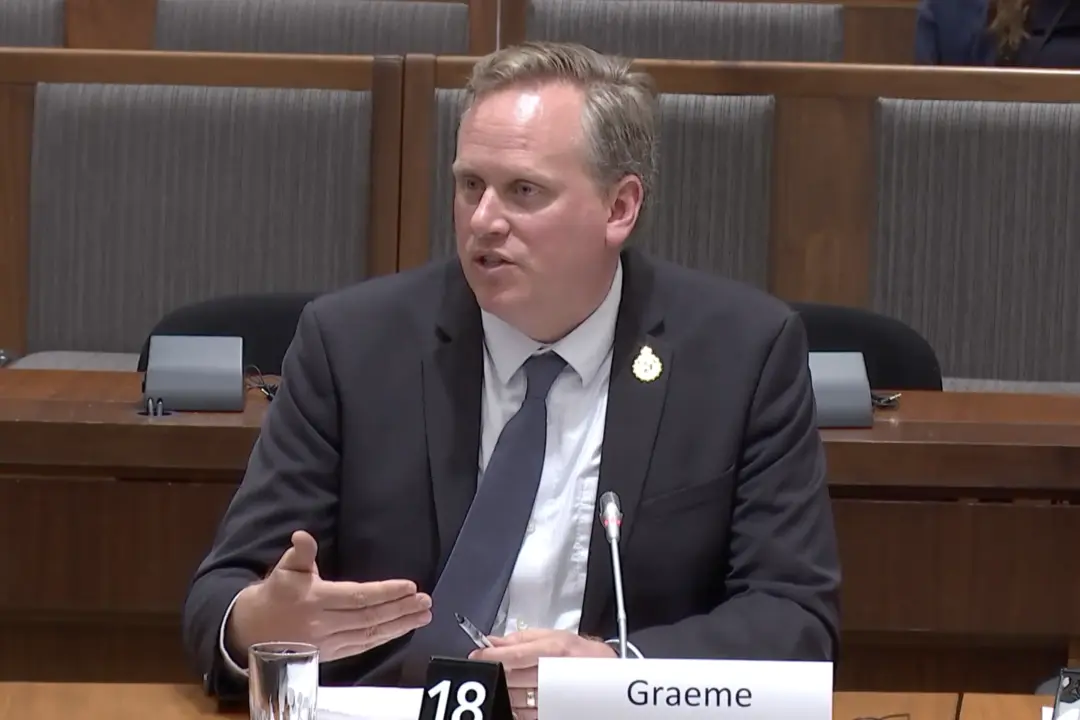
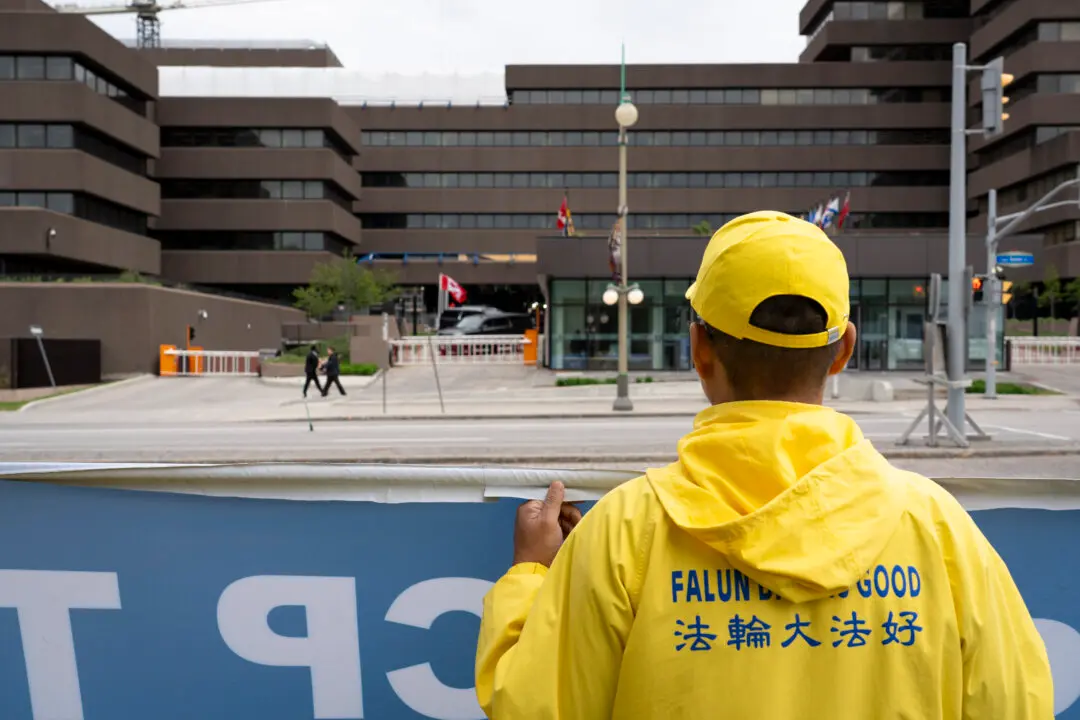
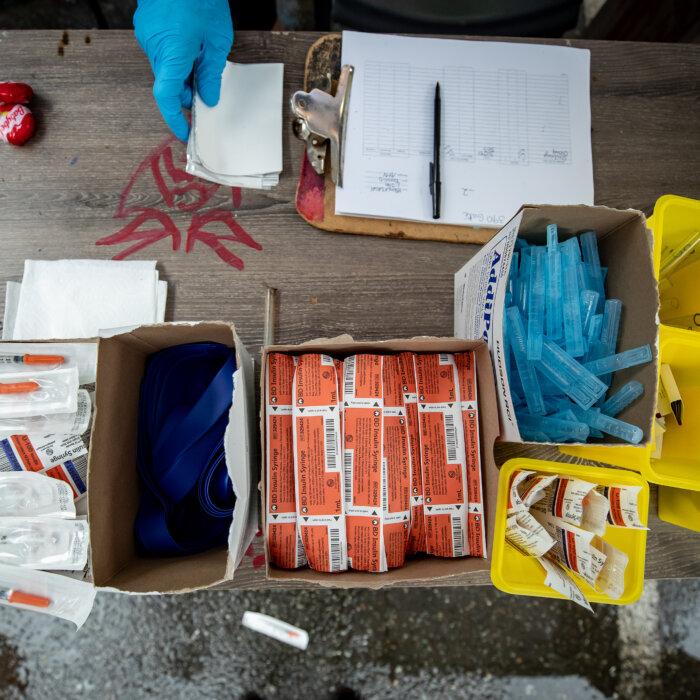
The federal health department has confirmed to MPs of the health committee that taxpayer dollars fund crack pipes and other drug paraphernalia under Health Canada’s “harm reduction” programs, after saying this wasn’t the case in October.
“We do not track individual expenses down to the minute level, but in fact we do track categories of expenditures, and those do include harm reduction equipment,” Weber told MPs.
Mazier noted that, according to Health Canada, funding under the Substance Use and Addictions Program and the Emergency Treatment Fund can be used to purchase smoking kits. “That is correct, similar to the pipes,” Weber responded.
Weber was asked about the substances she believed addicts smoked from smoking kits. She responded it was likely “a variety of substances,” but added that she preferred not to “assume” any one drug was smoked more than others.

“According to your own department, actually, 48 percent of the usage is fentanyl,” Mazier noted.
Mazier also said that during a recent visit to Kelowna, B.C., he saw a vending machine on a public sidewalk that dispensed drug supplies, including crack pipes and foil, which is used to smoke drugs. He said there was no ID required to use the vending machine.
“It was quite remarkable. I could just walk up, hit a number just like a regular vending machine,” Mazier said. “Is Health Canada aware that these vending machines are operating in Canada?”
Community organizations funded by Health Canada use vending machines to enable access to drug supplies “at all hours” with the aim of reducing the transmission of infectious disease, Weber responded.
“Do you honestly think Canadian taxpayers want their money to be used for crack pipes and meth pipes and fentanyl pipes?” Mazier said. Weber noted that the funding is for “harm reduction in response to this toxic drug crisis that we are facing.”
Meanwhile, Liberal MP Doug Eyolfson, an emergency room physician, said public health experts have indicated that promoting methods like smoking drugs instead of injecting them can reduce the rate of infections associated with intravenous drug use.
PHAC Acting Chief Public Health Officer Natasha Crowcroft confirmed the statement during her Dec. 9 testimony to the committee.
“Reductions in injections does reduce the risk of injection sites, which don’t occur with drug inhalation or substance inhalation, and it also reduces the risk of antimicrobial-resistant organisms for the same reason,” Crowcroft told MPs.
Crowcroft also told the committee that the “harm reduction” programs aim to keep people alive until they are connected to treatment and care, adding that “it’s very clear that the help they get saves lives.”
Conservative MP Burton Bailey said at the Dec. 9 committee meeting that safe injection sites have “decimated” the downtown of Red Deer, Alta., where his riding is, adding that the sites “really don’t promote any type of recovery.”
“We’ve lost hundreds of businesses,” Bailey said, noting there have been 201 complaints reported to Health Canada in connection with drug consumption sites.
Bailey said the complaints, which Weber had previously tabled to the committee, include drug dealing, aggression, property damage, public nuisance, break-ins, and littering. However, he noted that Health Canada has said that these complaints “do not relate to infringement of public health or public safety, but are general statements of views regarding the presence of the site.”