After years of delay, the federal government has approved a $3 billion wind farm on Robbins Island in north-west Tasmania.
Set to be one of Australia’s largest renewable projects, the facility will house 100 turbines, power 422,000 homes, and cut emissions by 3.4 million tonnes a year—equal to removing more than 1 million cars from the road.
Numerous Safeguards to Protect Native Species
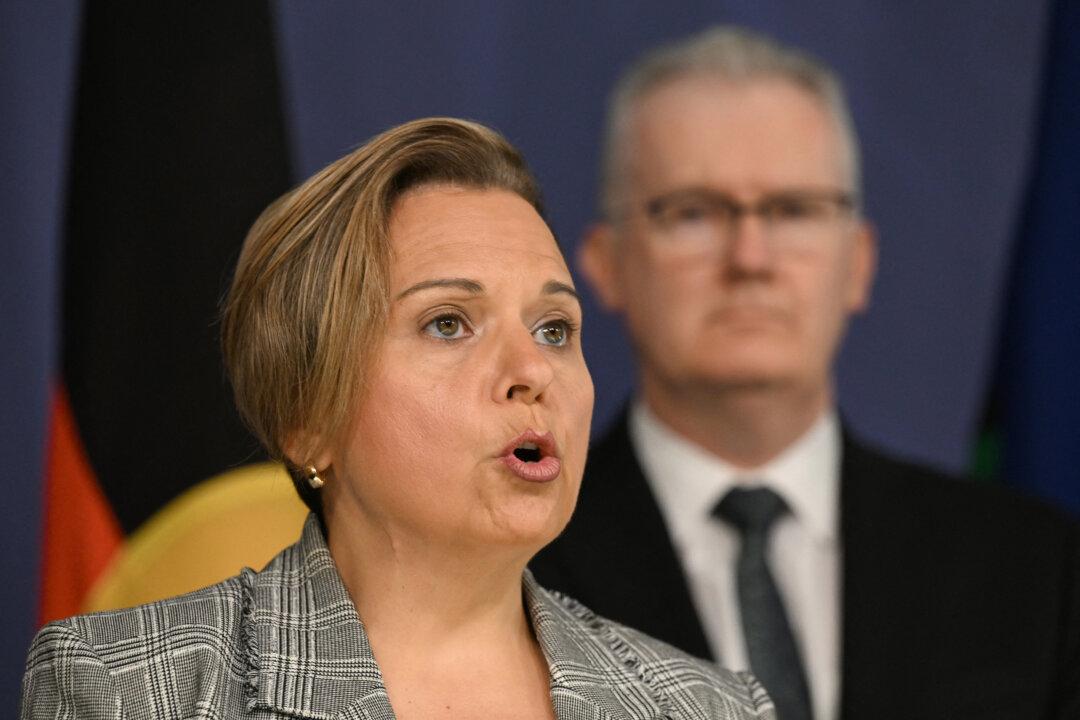
Federal Environment Minister Murray Watt said the approval followed a rigorous national environment law assessment and came with strict new conditions to protect vulnerable wildlife.Robbins Island lies on the migratory path of the critically endangered orange-bellied parrot and hosts Tasmanian devils free of facial tumour disease.

“The decision includes strict conditions from both the Tasmanian and Australian governments to ensure this project will be constructed and operated in a way that safeguards nationally protected species,” Watt said.
“This includes the orange-bellied parrot, Tasmanian devil, Tasmanian wedge-tailed eagle and protected migratory shorebirds.”


The 88 conditions require three years of surveys before construction to monitor the orange-bellied parrot’s movements. ACEN must also fund Tasmania’s parrot conservation program and improve habitat management to help boost numbers.
A Bird and Bat Management Plan will be mandatory and could force temporary turbine shutdowns if endangered birds are at risk.

“I can assure all Australians that when it comes time to deciding whether to approve that management plan or not, I will be looking very carefully at what impacts the wind turbines have on any critically endangered or endangered species,” Watt said.
For Tasmanian devils, barriers must be installed to prevent diseased animals from reaching the island. ACEN must also secure 1,164 hectares of habitat and run a monitoring program for early disease detection.
Long Path to Approval
The Robbins Island wind farm has faced a difficult road to approval. The project was delayed seven times by former federal Environment Minister Tanya Plibersek since 2022, as she awaited departmental briefs on its potential impacts. During that time, it became the subject of multiple appeals in Tasmania’s planning tribunal and Supreme Court.One major legal battle overturned a condition set by Tasmania’s Environment Protection Authority that would have forced the wind farm to shut down for five months each year.
The Tasmanian government also changed its coastal policy to allow the construction of a 500-metre wharf across tidal land and beaches, clearing the way for associated infrastructure, including a bridge linking Robbins Island to the mainland.
Criticism of Federal Delays
The long wait for approval prompted criticism from Tasmania’s Energy and Renewables Minister Nick Duigan earlier this year, who accused the federal government of “kicking the can down the road.”He pressed then-minister Plibersek to stop delaying a decision.
“Does she support this project or not? She’s already delayed making a decision once. The federal Labor government should have all the information to make a decision on Robbins Island Wind Farm today, and they should,” Duigan said at the time.
ACEN Says Project Can Balance Risks
ACEN Australia Managing Director David Pollington said the decision provided long-awaited certainty.“The decision shows that large, complex projects can be delivered responsibly, balancing overall impacts and conserving biodiversity, with the need for clean energy to address climate change,” he said.
Pollington added that he did not believe shutdowns would ultimately be necessary under the bird and bat plan.
Activists Warn of ‘Wildlife Killing’
The project, however, continues to face opposition from environmental activists.The Bob Brown Foundation, which had been part of the initial legal appeals, described the Robbins Island wind farm as “wildlife killing,” arguing the risks to birds and other species outweighed the benefits.
“As expected, Prime Minister Albanese has sent his anti-environment emissary, Minister Murray Watt, to sign the death warrant for the magnificent ecosystem of Robbins Island.
“The prime minister has made clear he wants to fast-track energy developments and remove so-called ‘green-tape.’ Tragically for the Orange-bellied Parrot, that removal puts the hundred remaining birds on death row,” said former MP Christine Milne, and now-patron of the Bob Brown Foundation.