Sydney’s Taronga Zoo has announced the “monumental release” of 544 critically endangered northern corroboree frogs into Brindabella National Park, west of Canberra—marking the largest release of the species to date.
The four-month-old juvenile frogs were bred in captivity as part of the zoo’s conservation program. It’s estimated that just 1,200 northern corroboree frogs remain in the wild.
“The northern corroboree frog was formerly common until about the mid-1980s, when chytrid fungus arrived in Australia,” said Michael McFadden, an Australian conservation officer.
“And unfortunately, it decimated the species.”
Despite ongoing threats in the wild, the zoo said maintaining a healthy “insurance population” for breeding at the zoo, the little critters could be supported to start to thrive once more.
Experts have identified the unique calls of certain frogs bred in captivity and released in previous stages, meaning there is proof the youngsters can survive once in their natural habitat.

“This is the largest frog release within this population to date,” McFadden said. Further releases are planned in the future.
Snail Trail
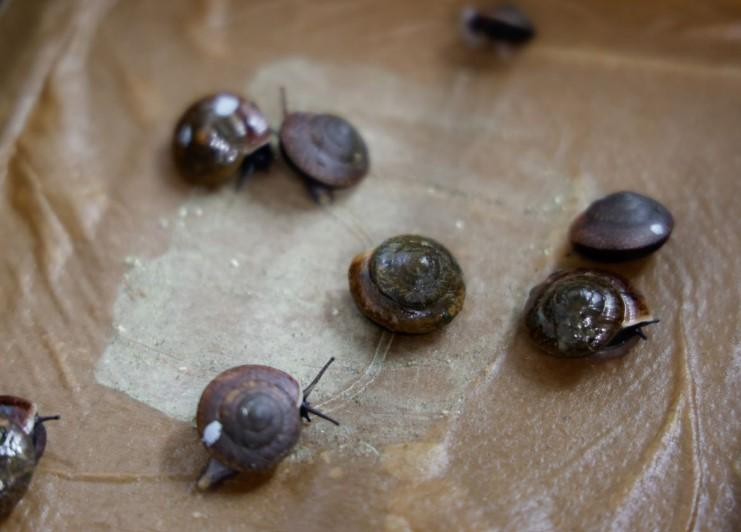
The frog release comes just days after the Taronga Conservation Society Australia announced it had started returning the Campbell’s keeled glass-snail to its native habitat on Norfolk Island.Norfolk Island is an external Australian territory between New Zealand and New Caledonia.
The species was thought extinct until its rediscovery five years ago on Norfolk Island.
Since then, a breeding program involving the Australian Museum, Taronga Conservation Society Australia, Parks Australia, and the Norfolk Island Regional Council has produced up to 800 baby snails from just 46.
The snails are currently restricted to a small area of the island’s national park, making them vulnerable to extinction.
“Transporting and reintroducing these sensitive snails is no small feat,” said Taronga’s manager of conservation and recovery programs, Monique Van Sluys.
“They’re highly susceptible to stress from changes in diet, handling, and environmental conditions.
“To help mitigate these challenges, the snails will travel in specialised transport tanks and spend six weeks acclimatising at a purpose-built facility on Norfolk Island before being released into the wild”.
Norfolk Island parks staff will also be trained in supporting the snails’ survival.
“While the reintroduction carries risks, it also offers a unique opportunity to restore a species that was once thought lost forever,” said Australian Museum research scientist Isabel Hyman.
“We are committed to doing everything we can to ensure the success of this endeavour.”