Barber’s 18-month sentence will see him serve 12 months under house arrest and six months of curfew. For the duration of the house arrest, he must remain on his property except for going to work, to medical appointments, or to help his parents clear snow at their home. For the last six months of his sentence, his curfew will be between 10 p.m. and 5 a.m. He will also be required to serve 100 hours of community service.
The Crown had sought a seven-year prison sentence for Lich and an eight-year sentence for Barber. Prosecutors also sought to seize and auction off Barber’s truck, “Big Red,” which he used during the protest in Ottawa. Perkins-McVey has said her decision on seizure of the truck will come sometime after late November when both sides are set to provide submissions on the matter.
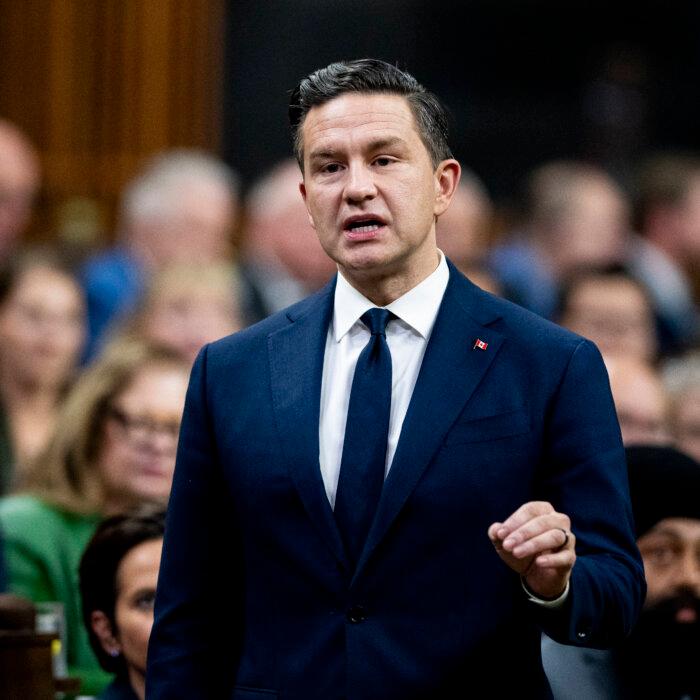
Ruling on Lich
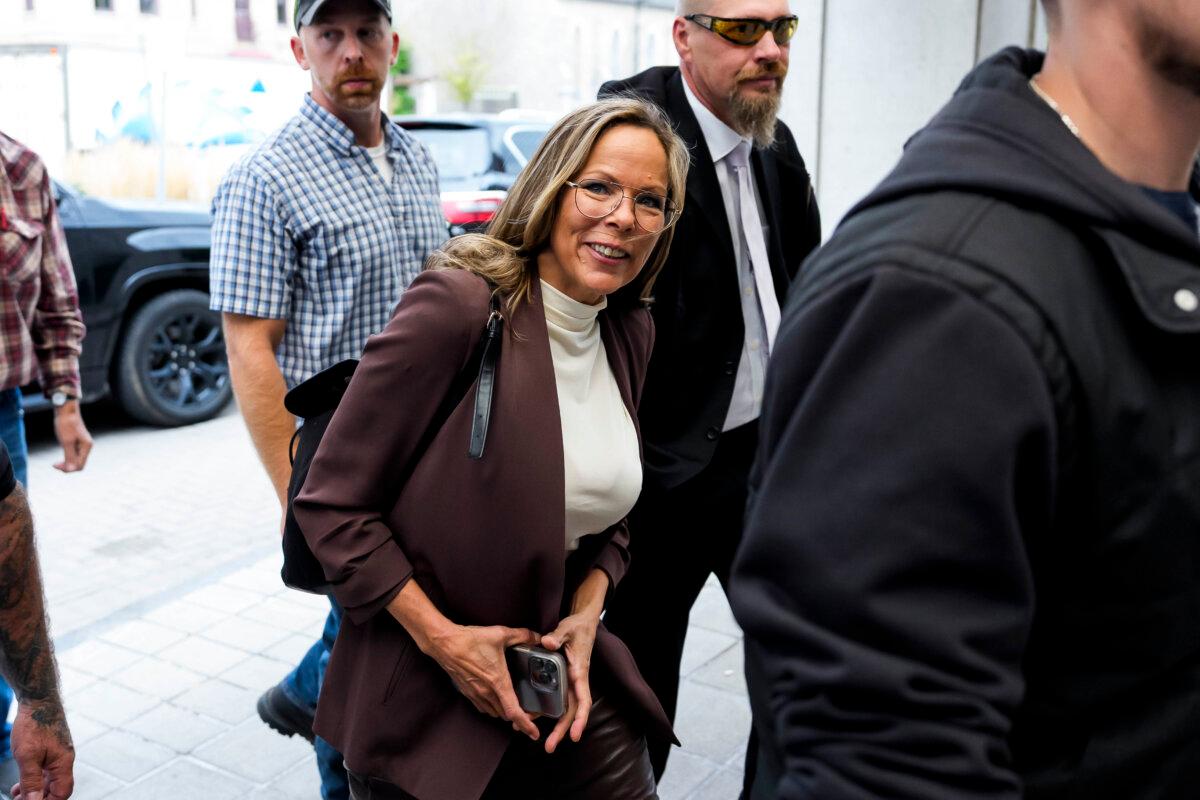
In an interview following the sentencing, defence lawyer Lawrence Greenspon said he was glad the sentence did not include any prison time. But he said the overall verdict wasn’t just.
Greenspon said the court’s ruling did not strike the right balance between freedom of expression and the right to enjoy property, the latter a concern raised by some Ottawa residents.
“The pro-Palestinian protests—there’s definitely a different way that those are being treated as opposed to the way that this peaceful assembly, and freedom of expression, was treated in this courtroom,” he said.
“[The protest was a] prolonged civil disobedience with a clear intent of pressuring the government through disruption,” Crown prosecutor Siobhan Westcher told the court in July.
Ruling on Barber
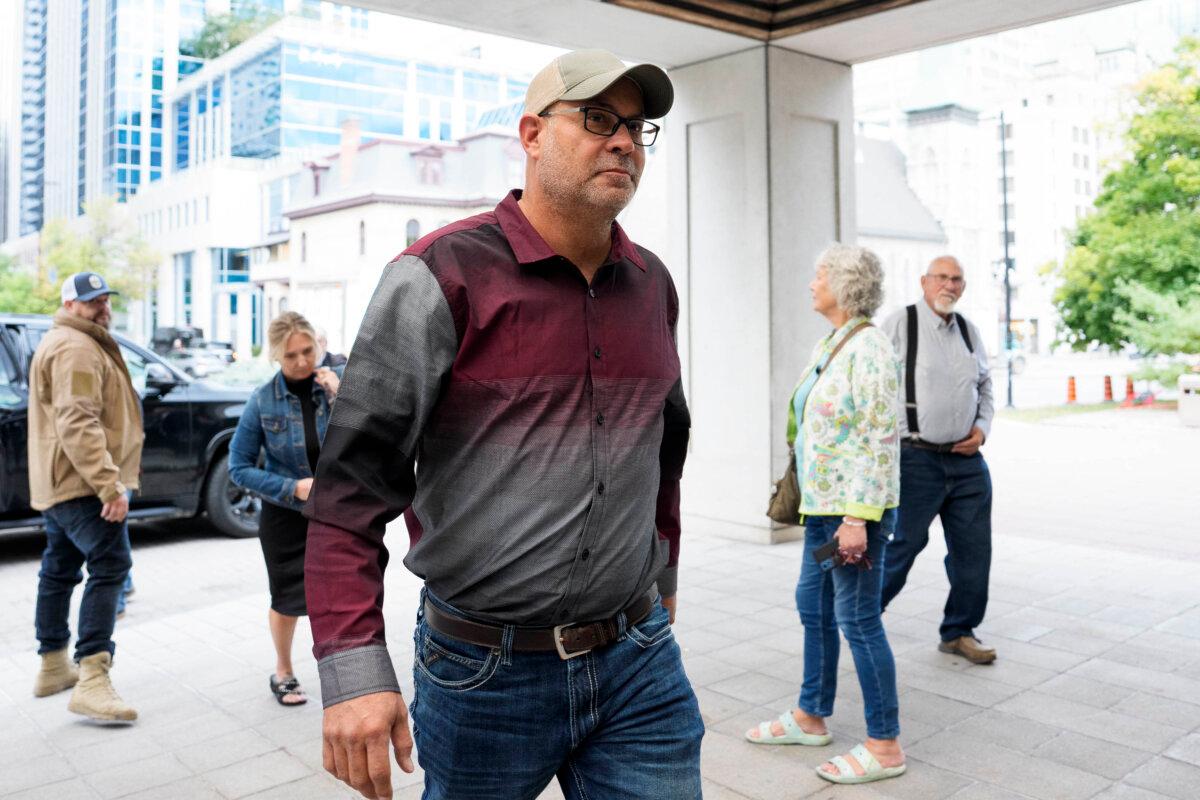
Justice Perkins-McVey said that with the Crown requesting eight years in jail for Barber and the defence asking for a conditional discharge, “the parties could not be farther apart in their submissions or in their perspectives regarding this case.”
Perkins-McVey said the defence’s request of a discharge would be “contrary to the public interest” and would undermine confidence in the administration of justice, but that the Crown’s request of eight years in prison would have been an unfit sentence.
“Persons charged with serious violent crimes such as robbery, aggravated assault, or other cases involving violence, rarely received sentences in that penitentiary range,” the judge said.
The judge noted that Barber’s lawyers emphasized that his “moral blameworthiness” was reduced because he cooperated with police, did not advocate for violence, and sought legal advice throughout the protest. She also said Barber was seen as a “hero” by many people, had his bank account frozen under the Emergencies Act, and had paid over $40,000 in travel expenses.
Perkins-McVey said an incident where Barber encouraged protesters to disobey a court order against honking was an aggravating factor, but she added that Barber had misunderstood the nature of the court injunction and relied on erroneous legal advice, and thus his moral blameworthiness was further reduced.
Barber’s lawyer Diane Magas told reporters outside the courthouse that she was not surprised by the judge’s verdict. Magas also said Justice Perkins-McVey had relayed a message that Barber and Lich had the “best intentions” when they first came to Ottawa, but that the protest turned unlawful because of the blocking of streets.
“I think the judge wanted to make sure, in our decision today, and even in her decision on conviction, that protest is allowed. That is not the issue, it’s the matter of the protest that’s the issue,” she said.
During the court proceedings, the Crown had said the protest organizers had gone beyond the limits of a peaceful protest.
The Justice Centre for Constitutional Freedoms (JCCF), which has provided support for Barber’s legal case, said the two organizers shouldn’t have received any sentence.
Freedom Convoy
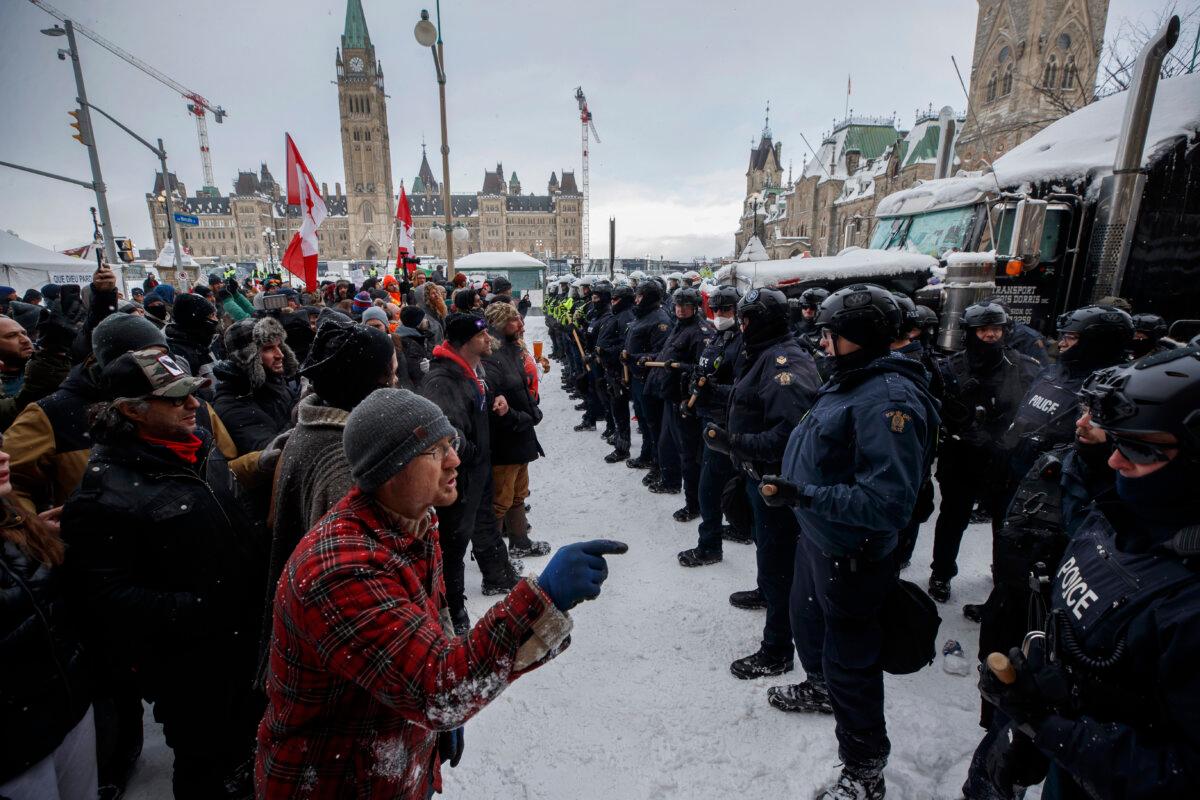
The Freedom Convoy was a protest movement in early 2022 against COVID-19 vaccine mandates and other pandemic restrictions. During the protest, hundreds of trucks and vehicles remained encamped in downtown Ottawa, demanding that the government remove its mandates. The federal government responded by invoking the Emergencies Act, and Lich and Barber were arrested on Feb. 17. The use of the act gave authorities additional powers to freeze the protesters’ bank accounts and to mandate the help of towing companies to remove the encamped vehicles.
Following her Feb. 17, 2022, arrest, Lich was released on bail a few weeks later on March 7. She was arrested again in June 2022 for allegedly violating bail conditions after a brief encounter with a fellow convoy organizer during a Toronto event. She spent another month in jail before being released in July that year.