The Taliban regime said on June 10 that Pakistan launched airstrikes inside Afghanistan overnight, killing at least 13 people, including 11 children.
The statement marks the latest escalation of a conflict that has strained relations between the neighboring countries for months.
Taliban authorities said the strikes hit civilian homes in the eastern provinces of Khost, Kunar, and Paktika.
“As a result of these attacks, 11 children, one woman, and one elderly man were killed, while 14 other women and children were injured,” Taliban chief spokesman Zabihullah Mujahid said in a June 10 post on X. “We strongly condemn this humanitarian crime and act of aggression.”
The Epoch Times was not able to independently verify these figures.
Pakistani officials confirmed the military had carried out strikes, saying it targeted terrorist hideouts and infrastructure linked to recent attacks inside Pakistan, and that 26 terrorists were killed.
“Based on credible intelligence, selective targeting of camps and hideouts was carried out with precision and accuracy,” Pakistani Information Minister Attaullah Tarar said in a June 10 post on X. “Pakistan has always strived for maintaining peace and stability in the region, but at the same time the safety and security of our citizens remains our top priority.”
Pakistan’s Information Ministry said in a June 9 post on X that Afghan Taliban accounts were spreading what the ministry described as propaganda, claiming Pakistani airstrikes had struck civilian homes and caused civilian casualties.
“Such narratives of collateral damage cannot prevent defensive measures by Pakistan which are aimed at eliminating safe [havens] and logistic support to terrorists carrying out acts of terrorism in Pakistan for their nefarious agendas,” the ministry added.
The latest escalation followed a June 9 attack in the Hasan Khel area of Pakistan’s northwestern Khyber Pakhtunkhwa province, which borders Afghanistan. Pakistan’s Interior Ministry said suspected Pakistani Taliban terrorists attacked a security post, sparking a gun battle that killed six members of the Federal Constabulary.
Interior Minister Mohsin Naqvi later attended funeral prayers for the slain personnel in Peshawar, according to the ministry.
Cross-Border Fighting
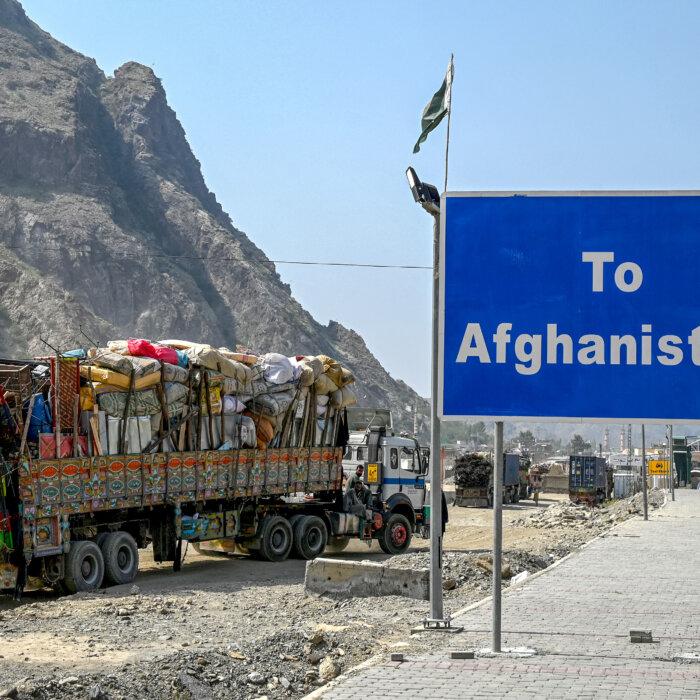
The latest strikes mark another chapter in a conflict that has intensified since February.Afghanistan later launched cross-border attacks in response, according to officials from both countries.
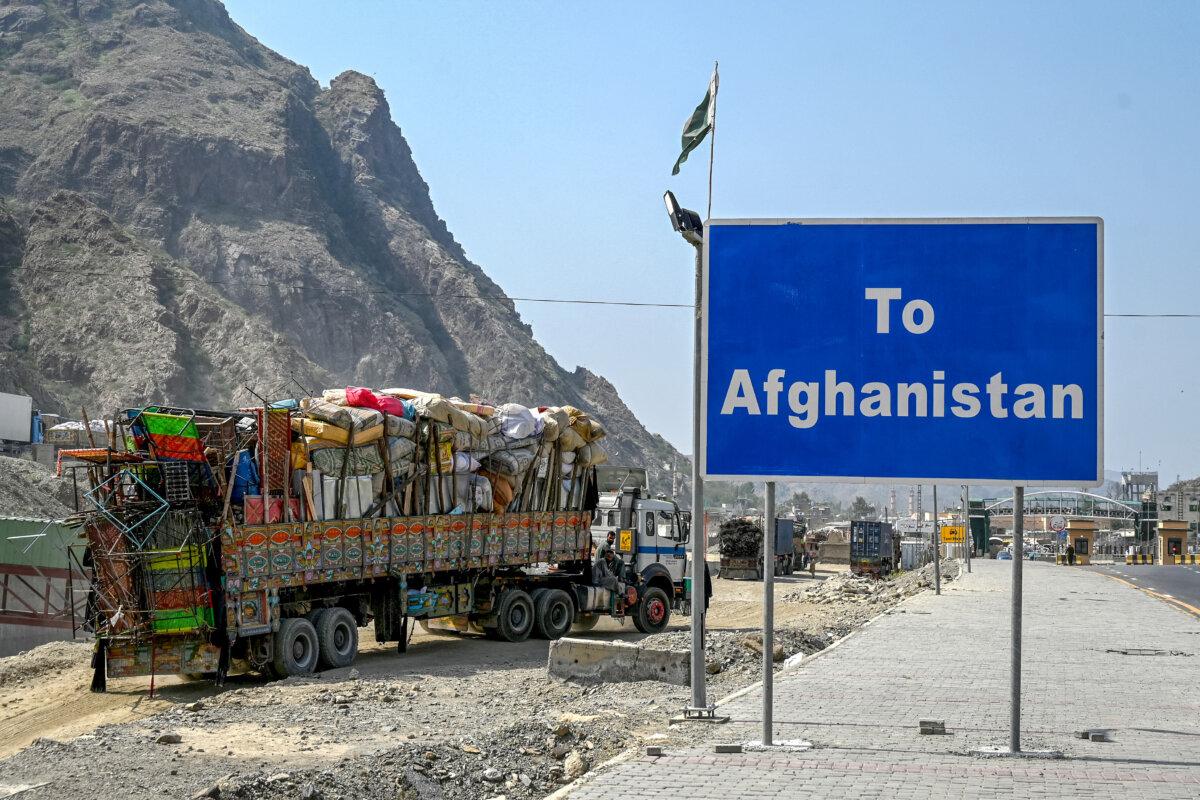
In March, Taliban authorities said Pakistani airstrikes hit a drug-treatment center in Kabul and killed more than 400 people. The Epoch Times was not able to independently verify these figures.
Pakistan rejected the allegation and said its forces struck an ammunition depot rather than civilian facilities. The two governments have repeatedly exchanged accusations over security threats along their shared border.
Pakistan says Afghanistan is providing sanctuary to terrorists responsible for attacks inside Pakistan, particularly Tehrik-e-Taliban Pakistan, or TTP. Afghan authorities deny those claims.
The TTP is separate from the Afghan Taliban but maintains close ties with the group. The U.S. government designated TTP as a foreign terrorist organization on Sept. 1, 2010.
The Afghan Taliban returned to power in August 2021 after the withdrawal of U.S.-led forces from Afghanistan.
The renewed violence comes despite diplomatic efforts to ease tensions between Islamabad and Kabul.