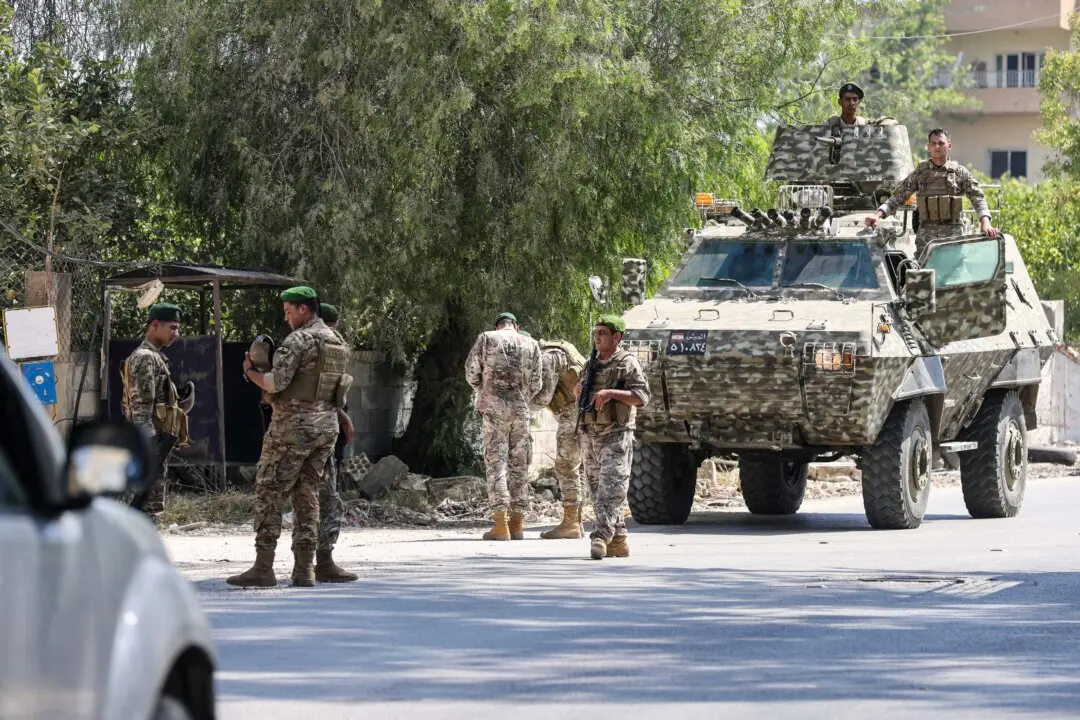
Ministry spokesperson Nour Al-Din Al-Baba said that no official statement has been issued regarding any such deployment, Syria’s state-run SANA news agency reported.
Al-Baba said that interior ministry forces “are in a normal state of readiness, with no movement or deployment in the governorate so far.”
New clashes broke out between Druze armed groups and members of Bedouin clans in southern Syria overnight, following a brief cease-fire announced on Wednesday.
The truce, mediated by the United States, Turkey, and Arab countries, paused days of violence in Sweida, where the Druze, a religious minority in Syria, clashed with local Bedouin tribes.
The Syrian government, whose interim president, Ahmed al-Sharaa, recently pledged to protect Druze rights, initially sent troops to the area, intensifying the fighting.
The Arab Response
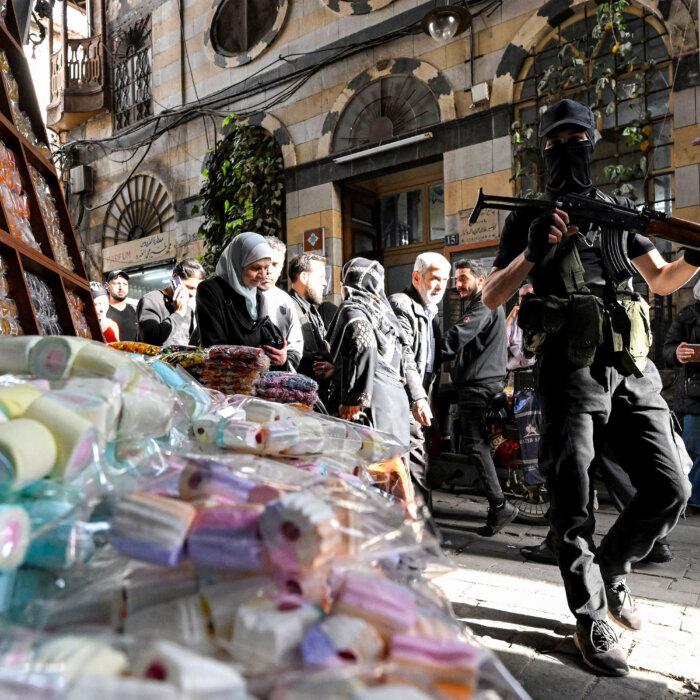
Eleven Arab states, including Saudi Arabia, Jordan, the United Arab Emirates, and Egypt—along with Turkey—issued a joint statement on Thursday, voicing support for Syria’s security and territorial integrity, and rejecting external interference in the country’s affairs.He stressed the need for the international community to support the Syrian government in confronting these challenges and to prevent any external interference in Syria’s domestic affairs, under any pretext.
Al-Sharaa on Thursday credited U.S., Arab, and Turkish mediation with “saving the region from an uncertain fate,” while accusing Israel of trying to “dismantle the unity of our people.”
Israeli Intervention
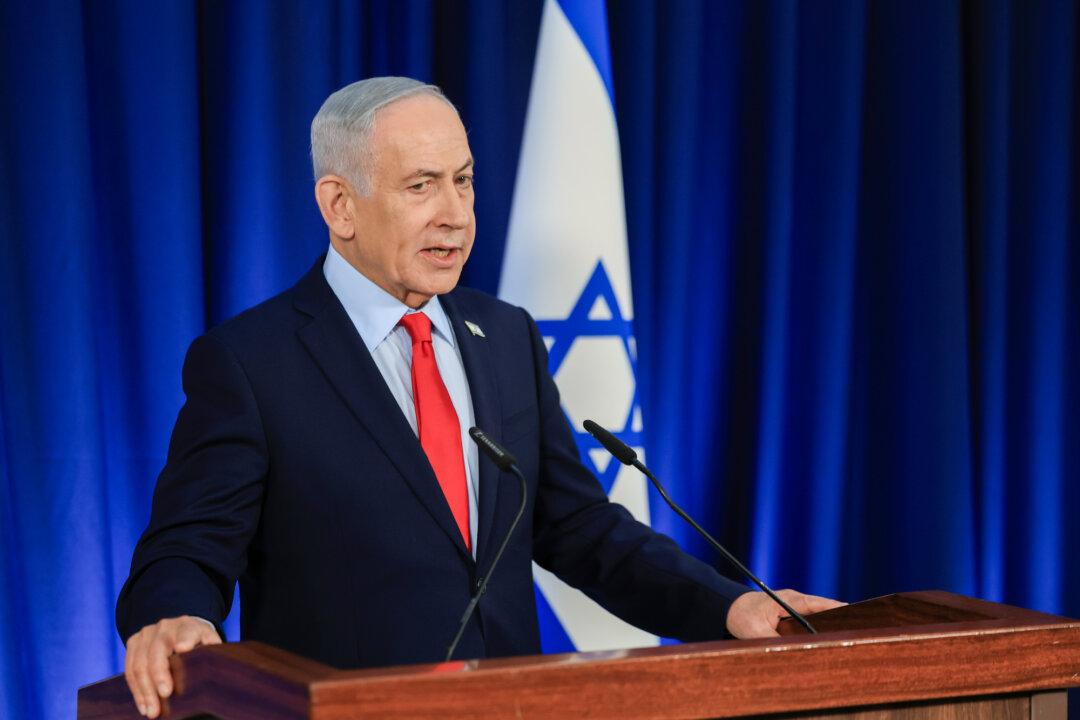
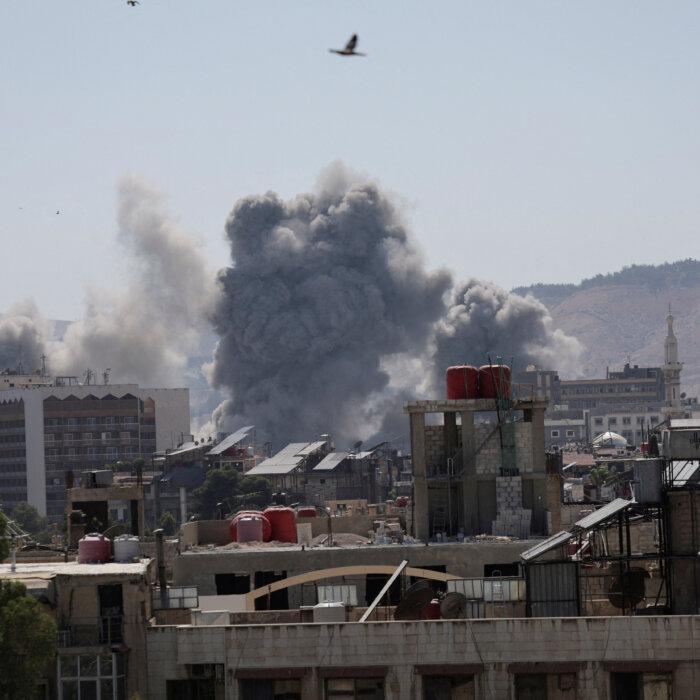
Following the initial deployment of Syrian troops in Sweida, Israeli Prime Minister Benjamin Netanyahu and Defense Minister Israel Katz said that Israeli strikes targeted Syrian weapons in the region, and that the Syrian government “intended to use these weapons against the Druze community.”“Israel is committed to preventing harm being inflicted on the Druze in Syria, owing to the deep covenant of blood with our Druze citizens in Israel, and their historical and familial link to the Druze in Syria,” their joint statement said.
“This is a ceasefire that was reached through strength. Not by making requests, not by begging—through strength. We are reaching peace through strength, quiet through strength, security through strength—on seven fronts,” he said.
The aid package, worth 2 million shekels ($540,000), will include, among other things, food packages, medical equipment, first aid kits, and medicine. This aid joins a previous aid package that the Ministry of Foreign Affairs transferred to the Druze in Syria last March.