Strong winds caused 427 drones to malfunction and crash into Melbourne’s Yarra River during a 2023 light show celebrating the Australian women’s football team, according to an investigation.
On the evening of July 14, 2023, the Victorian government organised a light show to express support for the Matildas ahead of the Women’s World Cup, jointly hosted by Australia and New Zealand.
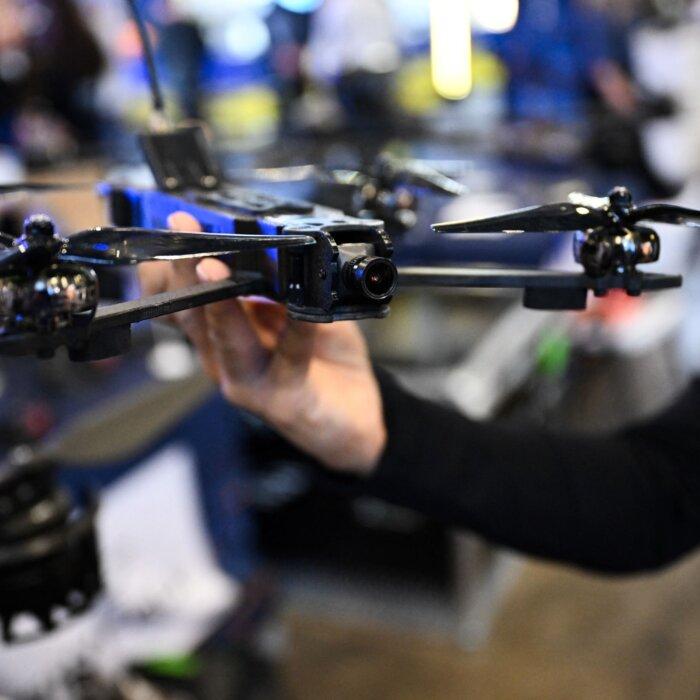
The performance featured 500 Chinese-made Damoda drones and was held over the Yarra River in Melbourne’s CBD.
The drones were intended to perform for 10 minutes. However, just 30 seconds into the show, half of the drones encountered errors and were out of position.
Despite the operators’ effort to fix the problem, most drones lost control and fell into the river shortly after.
While no injuries were reported, only 236 of the 427 fallen drones were later recovered.

At the time, the operator was unaware of the impact of the wind on the drones when the information was displayed on the computer system.
“While the ground control station (GCS) computer displayed the wind speed, it did not have the functionality to actively alert the pilot to exceedances,” the report stated.
As a result, the operator allowed the drones to continue flying to the performance area, where wind speeds were more than twice the aircraft’s limit.
This led to collisions among the drones, triggering failsafe modes that caused them to plunge into the water.
The report found that the operator did not utilise all available processes to gather information about wind speed before launching the drones.
“There were also a number of factors on the day that caused the Remote Pilot in Command to have a higher than normal workload that affected their decision-making capacity, and was likely to be under pressure to conduct the show,” the report read.
“It was also found that the operator had no procedure in place to verify that pilots were familiar with all relevant functions of the GCS software.”
Additionally, the safety bureau noted that the drone operator did not comply with operational limitations set by the regulator, although this did not contribute to the incident.
Following the crash, the operator undertook a review and made several changes, including introducing a wind speed test before launching drones.
The safety bureau also advised the company to implement processes to ensure that crucial information is communicated and understood by pilots before commencing operations.