Former Prime Minister Stephen Harper has announced the launch of the Stephen J. Harper Archive and Oral History Project, which is now open to the public at Library and Archives Canada (LAC).
Harper’s archival collection is a prime ministerial record of his time serving as Canada’s 22nd prime minister, from 2006 to 2015. He was the longest-serving Conservative prime minister since Canada’s first prime minister, Sir John A. Macdonald, in 1891.
Mongrain, who is a manager and senior strategic adviser at LAC, said the project, which she began working on 10 years ago, constitutes the largest digital archive collection ever acquired by LAC, including more than 1.2 million digital photographs, more than 400,000 digital textual records, and more than 8,000 digital pictures.

It also includes physical textual records, such as photographs, video cassettes, drawings, audio CDs, coins, pins, prints, maps, stamps, watercolours, plaques, ribbons, and temporary tattoos that were sent to Harper when he was prime minister, along with a quilt and a hockey card, among many other items.
The hockey card features Toronto Maple Leafs player Charles Conacher in the 1937–38 season and was a gift to Harper from Lionel F. Conacher, grand-nephew of the elder Conacher.
Harper participated in nearly 50 hours of video interviews at his home in Alberta to discuss his early life, political career, and time in office, touching on a range of government decisions, political and management approaches, lessons learned, and personal experiences, which make up the “oral history” part of his archive collection.
Reid, who served as Harper’s deputy chief of staff, said each hour of interview required roughly 20 hours of preparation, including the time to carry out archival work and prepare an outline for the interview.
Mongrain said the oral records provide an opportunity for prime ministers to record what they see as the “milestones” of their tenure and their achievements, and can provide closure. “Some prime ministers appreciate having a time to go back and think about what they’ve done while it’s still fresh, and the ideas and concepts are still there,” she added.
Speaking at the panel event, Harper said he hopes some of the archive collection’s audience will be “future prospective leaders” who will look at how his government did things, although he said they “may completely disagree with everything we did.”
“In this era of just accelerated social media and, kind of, very quick and superficial communications, it is just so essential that those who are going to lead in the future find ways to cut through that and make sure that they are actually making decisions in a considered manner,” Harper said.
“I think this is the great challenge of our time—how the next generation of leaders is going to combine the benefits of social media, which I think are enormous, while avoiding some of the pitfalls we’re all too aware of.”
He added that he hopes as people look through the records they will “understand the real benefit of … taking a real serious approach and, indirectly, thinking down the road about the record you will create.”
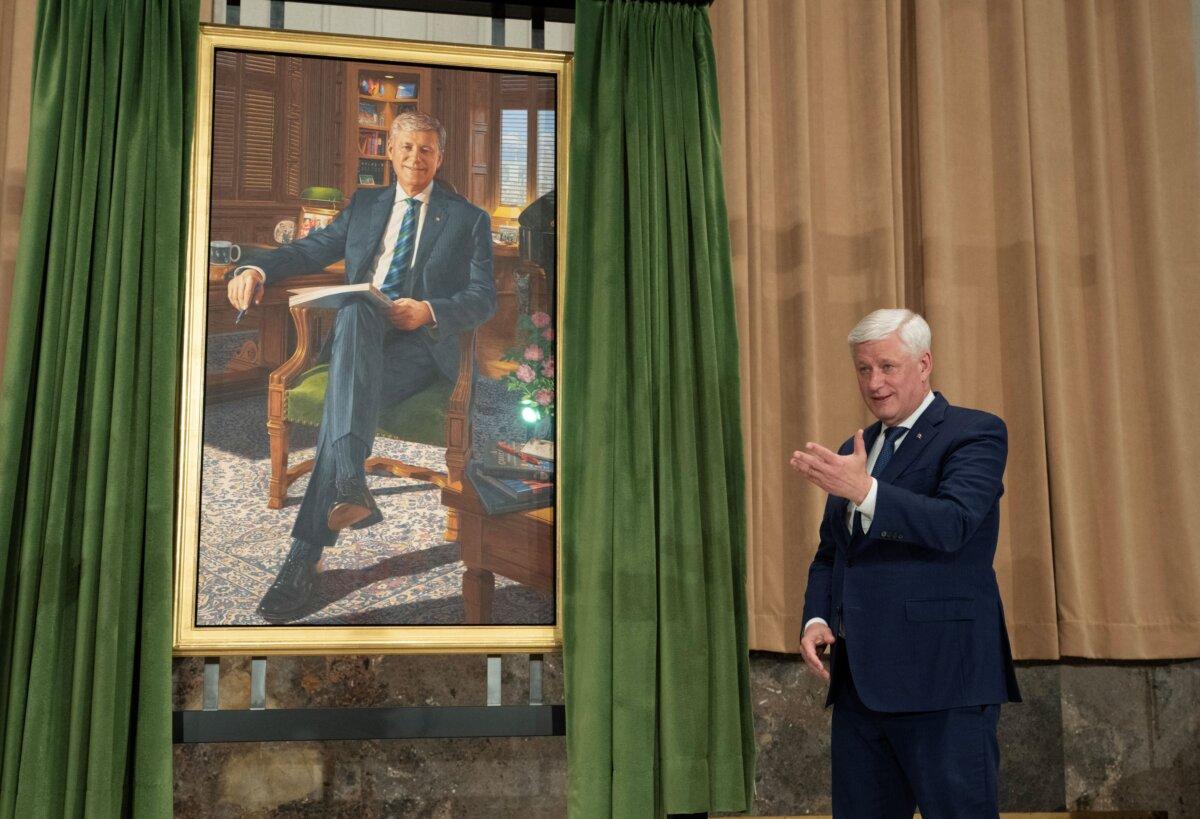
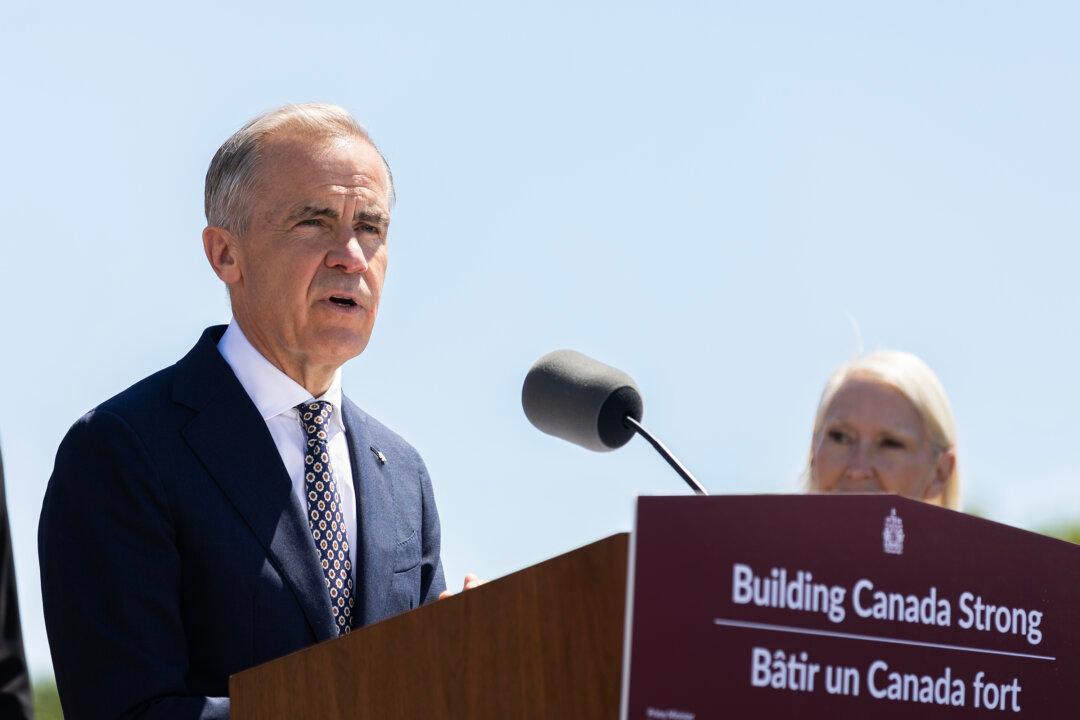
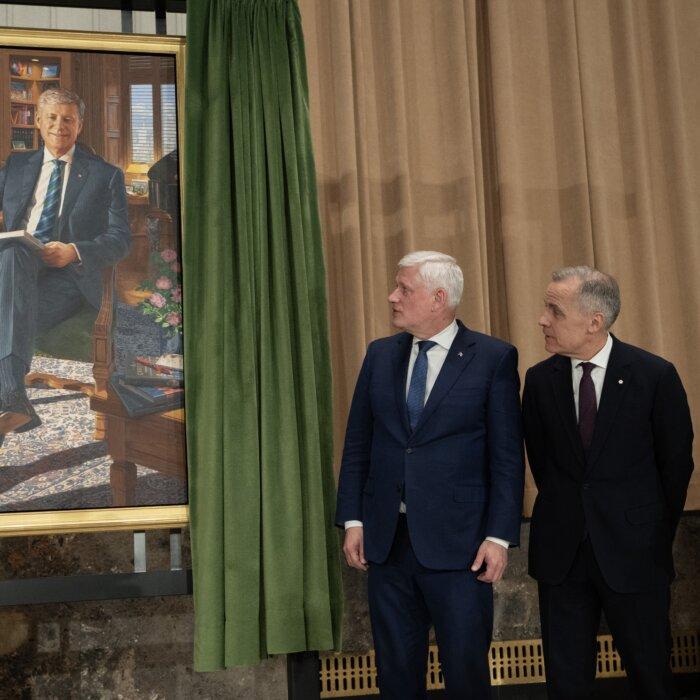
Speaking at the ceremony, Prime Minister Mark Carney praised Harper for his policy and legislative accomplishments along with his service to others, his leadership, and his love for Canada.
Conservative Leader Pierre Poilievre told the House of Commons on Feb. 3, ahead of the portrait’s unveiling, that Harper “reminds us of better days,” noting that the former prime minister led Canada through a recession and two wars, passed laws that “kept our streets safe,” and expanded opportunities for Canadians.
Harper said at the ceremony that both parties need to “come together against external forces that threaten our independence and against domestic policies that threaten our unity.”