South Korea’s cabinet on June 9 passed a presidential decree needed to begin implementing the 2025 trade agreement between the United States and the East Asian nation, aimed at facilitating reciprocal trade.
It was the final step needed to formalize the Special Act for Korea-U.S. Strategic Investment Management, which was passed by the legislature in March. The law orders the creation of a state-backed investment corporation to implement the trade agreement.
According to South Korea’s Ministry of Finance and Economy, the decree defines the term “commercial viability” that was a project requirement in the agreement. It will require that a project generate enough revenue to cover the principal and interest of the South Korean investment.
The rate will be based on 20-year U.S. Treasury yields, plus an additional spread to be agreed upon by Seoul and Washington at the time of investment, according to the decree.
The ministry said the Korea-U.S. Strategic Investment Corporation would be backed by a government cash injection of 2 trillion won ($1.3 billion) as an establishment fund.
The deal is set to take effect on June 18.
It comes almost a year after U.S. President Donald Trump and South Korean President Lee Jae Myung agreed to a deal that addressed trade imbalances between the two countries.
In the deal, the East Asian nation agreed to invest $350 billion in the United States in exchange for the lower U.S. tariff rate of 15 percent on South Korean goods, including Korean cars. The deal followed a similar reciprocal arrangement with the United States and other partners such as Japan.
South Korea agreed to $200 billion in direct investment in strategic U.S. industries, including semiconductors, AI, pharmaceuticals, American oil and natural gas, and critical minerals.
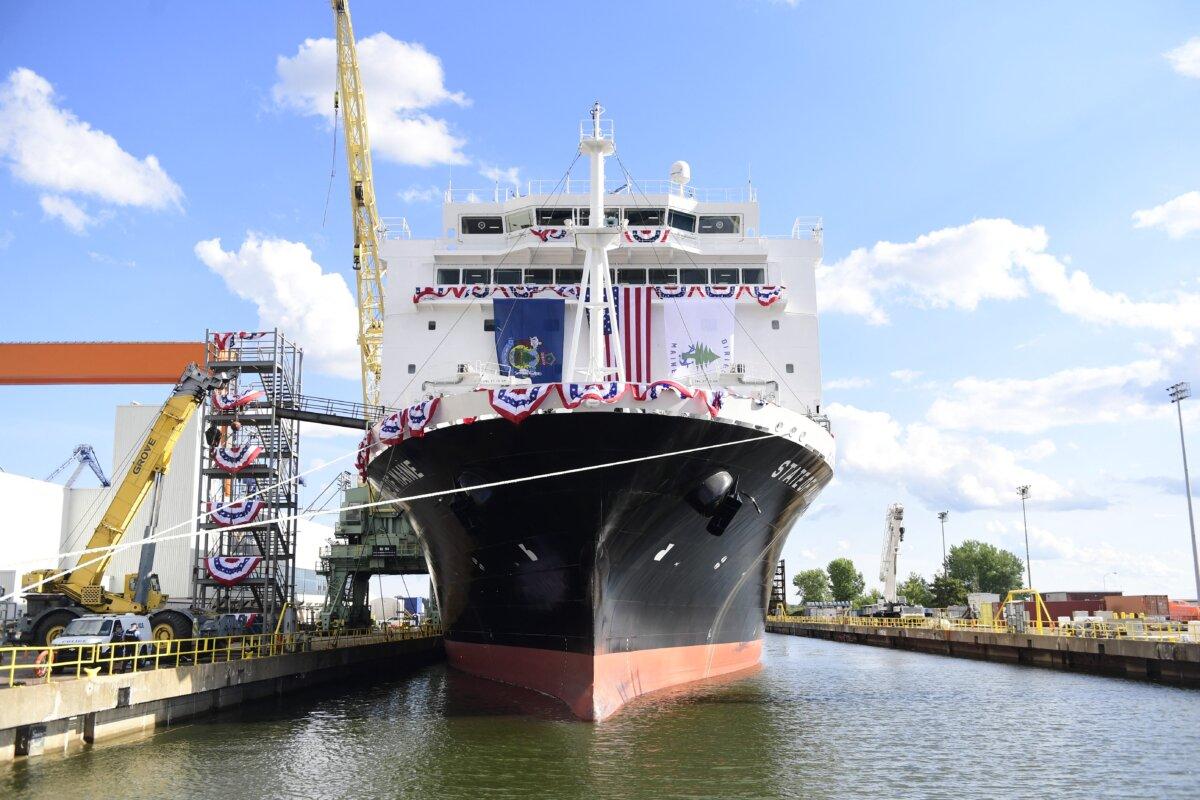
The investment total included $150 billion for shipbuilding-related cooperation.
The South Korean president’s office immediately responded that it would work to implement the deal.
Under the deal, a special committee, chaired by the trade minister, will also be formed to review commercial viability and approve the U.S.-proposed investment projects. The Korea–U.S. Strategic Investment Corporation will operate for 20 years.