Alberta Premier Danielle Smith says her government has no immediate plans to revamp provincial recall legislation, but that could change in the future if the law is used in bad faith.
The Recall Act has been thrust into the spotlight since Elections Alberta sanctioned two petitions to oust members of Smith’s United Conservative caucus, with additional petitions potentially on the horizon.
Smith told the legislature during Nov. 5’s question period that she is concerned active campaigns are misusing the law in an attempt to destabilize her United Conservative Party (UCP) government, rather than utilizing them for their intended purposes.
“It’s not meant to overthrow and topple governments mid-term,” Smith said. “I don’t believe that the recall petitions have been entered into in good faith. That being said, there is no legislation on the table at the moment to make any changes.”
She said the province will adopt a wait-and-see approach as those behind the petition drives attempt to collect enough signatures in their ridings to make the petitions valid. Each petitioner has a timeframe of three months to secure signatures totalling at least 60 percent of the votes recorded in the last provincial election.
“The members are going to wait and see if any of these petitions end up getting that number of signatures, and then we’ll deal with it at that time,” Smith said.
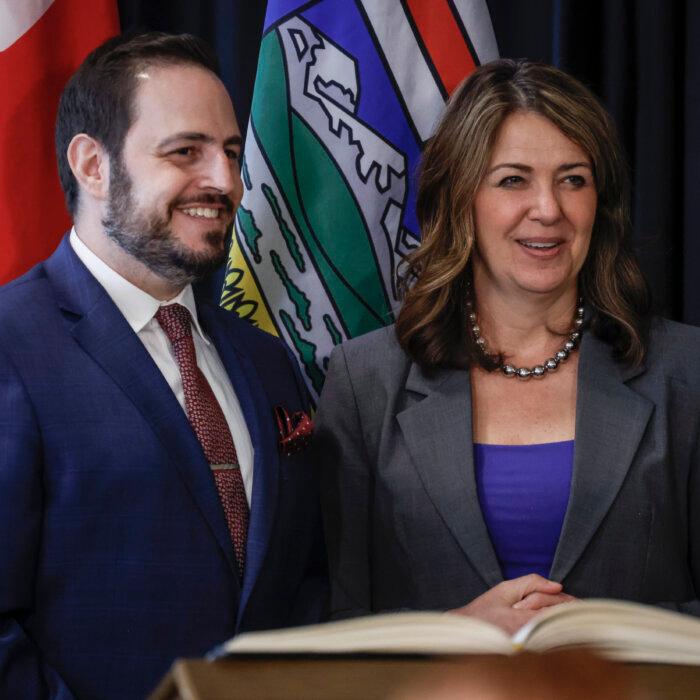
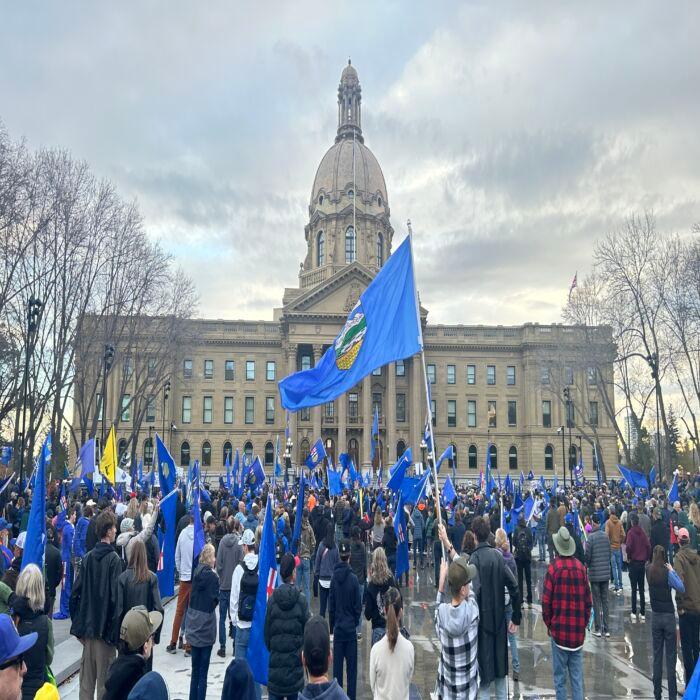
The two recall petitions that have been approved to date are for Education Minister Demetrios Nicolaides and MLA Angela Pitt, who also serves as deputy Speaker of the legislature. The application against Nicolaides was the first to receive approval since the implementation of the process.
The individuals behind the recall movements have both said they are not attempting to dismantle Alberta’s government. The person responsible for Nicolaides’ petition has said the ministers’ “failure to support public education” was the driving force behind her decision to take action, while the Airdrie, Alta., resident who initiated Pitt’s petition expressed a need for a more attentive representative capable of addressing the community’s issues.
Opposition NDP Leader Naheed Nenshi said Smith’s comments reflect a disregard for the petitioners’ concerns.
“The Premier claims to love direct democracy but then treats citizens who use it with the contempt that we just heard right now,” he said after Smith indicated future legislative change could be a possibility.
Smith told Nenshi that any petition that attempts to overthrow a government is inappropriate.
“Normally what happens is you wait for a general election to be able to have the record of government tested,” she said.
Smith’s comments about petitioners hoping to bring down her government could stem from remarks made by Alberta Federation of Labour president Gil McGowan last week. McGowan advocated for recalls to “topple” Smith’s administration as a form of retaliation for the government’s use of the Charter’s notwithstanding clause to terminate a three-week province-wide teachers’ strike.
Funding Request
As discussions on the parameters of recall petitions continue, the province has denied a recent funding increase request from Elections Alberta, which requested an additional $13.5 million in budget funding to verify petitions.Chief electoral officer Gordon McClure told a legislature committee on Nov. 3 that dealing with petitions requires additional staff and resources.
He told the committee his current budget did not include provisions for the approval of recall petitions, and that processing the applications from beginning to end would cost approximately $1 million each.
Recall petitions are not the only documents Elections Canada will have to deal with, McClure noted.
Former deputy premier Thomas Lukaszuk has submitted a petition advocating for a policy that declares Alberta will never separate from Canada, and a second policy initiative aimed at halting funding for private schools is currently in the process of gathering signatures.
The UCP majority-held committee ultimately rejected McClure’s total funding request, instead approving an additional support of $1.45 million. Committee member Nolan Dyck said there is no guarantee that either recall petition will garner enough signatures to warrant verification.
McClure didn’t say if other recall applications have been filed, but Service Alberta Minister Dale Nally told reporters last week he was aware of more than a dozen campaigns that are in the works.
How the Legislation Works
Alberta’s recall legislation allows voters to initiate a process that could lead to the removal and replacement of elected officials.Once a petitioner collects the required signatures, the submitted petition will be evaluated over a seven-day period by the province’s Chief Electoral Officer to determine if the document meets all requirements. Only individuals who are eligible to vote may sign the petition and each signature must be witnessed by the petition’s canvasser for the document to be deemed sufficient.
A successful petition would trigger a vote in each riding within four months. If the current petitions are approved, Pitt and Nicolaides could be expelled from their roles in the legislature if more than 50 percent of voters choose to cast ballots for their removal.
The Canadian Press contributed to this report.