
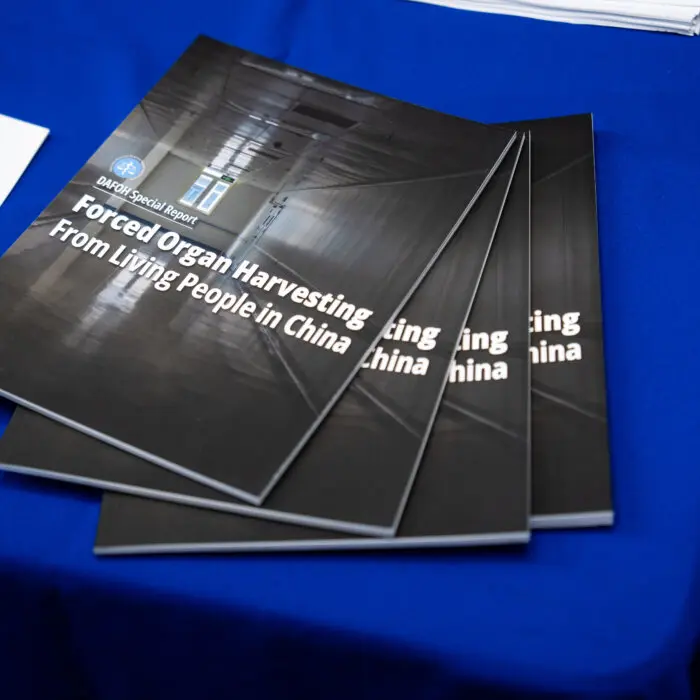
It has happened on a significant scale, with its perpetrators preying upon prisoners of conscience and extracting massive profits from the use of their bodies, investigations have found.
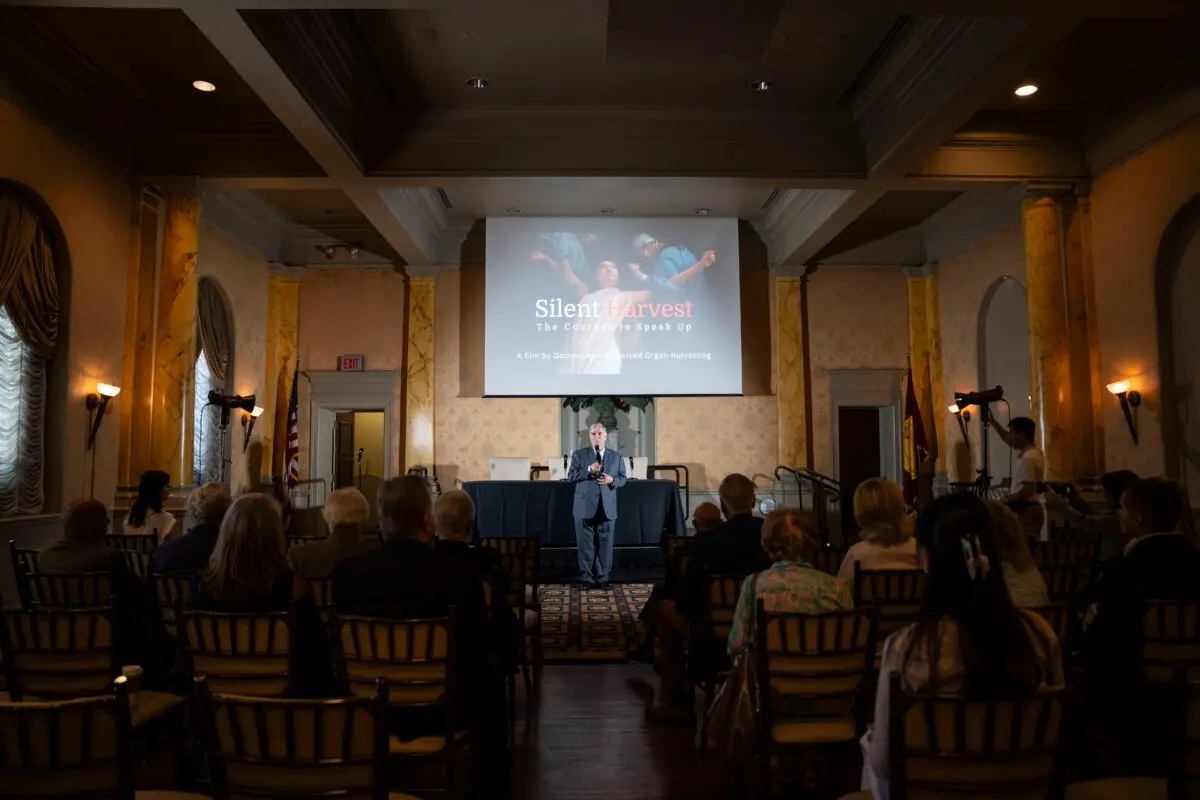
The film “Silent Harvest: The Courage to Speak Up,” which premiered on May 16 in Washington, draws on medical data analysis and interviews with nearly two dozen medical experts, China analysts, and persecution survivors from China.
Now, 20 years after the issue first emerged into public consciousness, it’s time to break the silence, said Torsten Trey, founder and director of Doctors Against Forced Organ Harvesting (DAFOH). In his eyes, silence is the “biggest accomplice to crimes against humanity.”
‘A Problem of Enormous Scope’
The film was 10 years in the making, debuting just shy of the 20th anniversary of DAFOH’s founding in 2006. That year, whistleblowers came forward to The Epoch Times with eyewitness accounts of the systematic slaying of detained Falun Gong practitioners in underground facilities.
When Trey first heard about those accounts, he was incredulous.
“I thought, ‘No doctor could do that. That’s beyond imagination,’” he told The Epoch Times.
But information kept coming out in the following months. European Parliament Vice President Edward McMillan-Scott visited Beijing on a fact-finding mission. A Canadian human rights lawyer and former Canadian cabinet official jointly conducted investigations. Then Trey himself met two doctors from China in Boston. All pointed to the same conclusion.
In roughly July 2006, Trey came to the conclusion that the allegations were true.
Weldon Gilcrease, DAFOH’s deputy director, described going through a similar process in his research. He went in hoping to prove that the crime wasn’t happening, he said in the film.
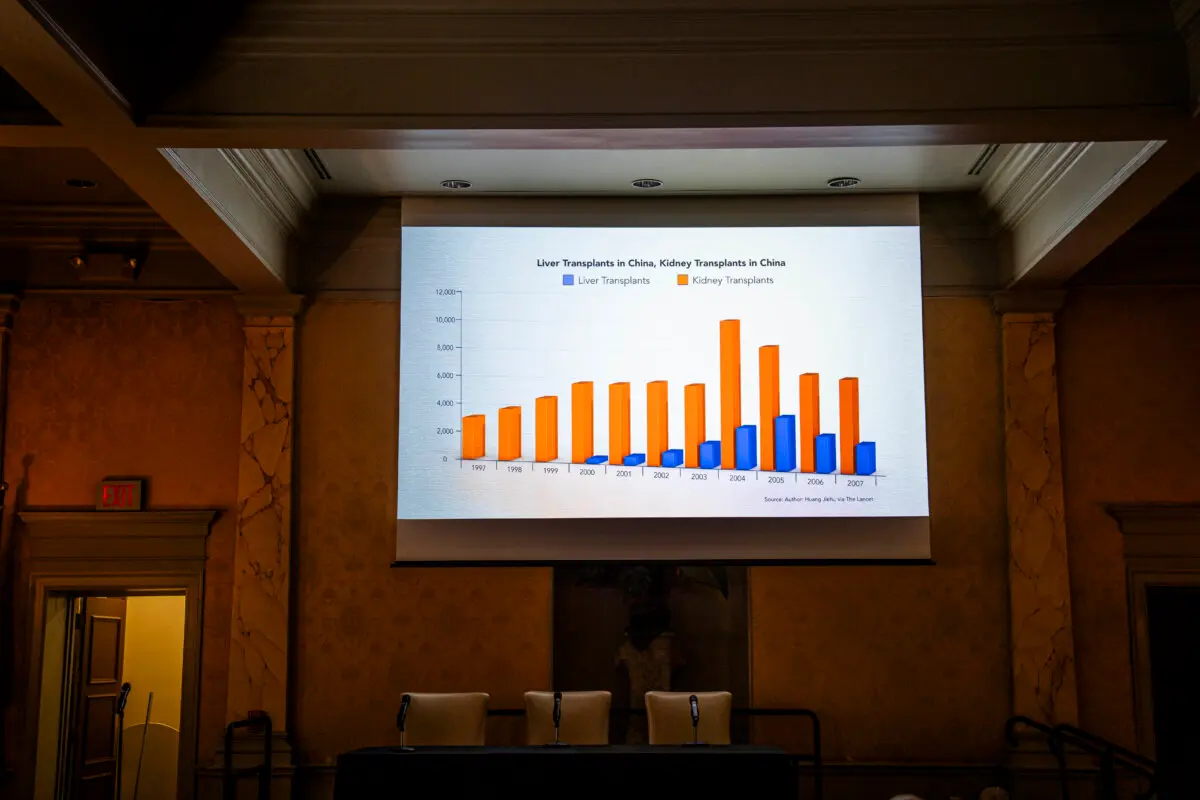
“But then, when you spend enough time with the evidence and the data, which is the major driver for most people who are in medicine, you quickly become aware that this is a problem of enormous scope,” he said.
In recent years, Uyghurs, house Christians, and other persecuted minorities have also been targeted by the regime for forced organ harvesting.
It’s a lesson that “if [we] don’t take a stance at something this horrific, [we’re] going to see it bleed through different populations,” Gilcrease said at a panel discussion following the premiere.
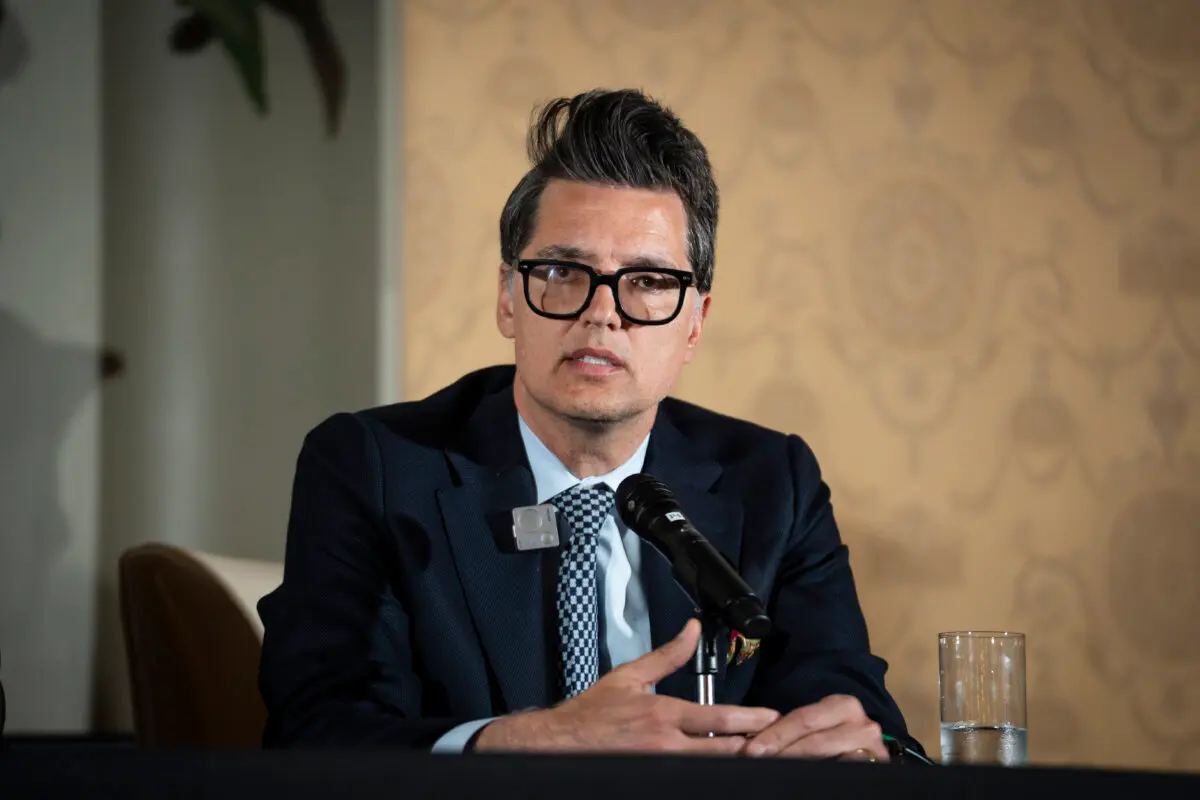
The Western medical community has trained Chinese doctors and interacted with the Chinese medical system, with the hope of bringing China to a higher ethical ground, Gilcrease said. But the Chinese regime is “a bad apple.”
“[The thinking goes that] if you have a bunch of good apples and a bad apple, it will turn the bad apple good. But what you indeed see is the opposite,” he said.
Film director Keith Wahrer, who helped bring the documentary together, said working on the project had been “eye-opening.”
“It is sobering. It is the kind of thing you don’t want to have to think about, but it’s important to think about,” Wahrer told The Epoch Times. “It compels me to want to do more.”
He has “very little power,” he said, but one thing he can do is to spread the word and shine a light on what’s happening.
One Individual, One Action
The premiere was the first time Gilcrease saw the documentary’s final version. Seated in the back, he shut his eyes at one point as three images popped up on the screen, each showing a Falun Gong practitioner who had been tortured to death, their bodies visibly bruised and scarred.He said he noticed other people around him “reeling back from it.”
“I think that’s the horror that strikes at most of us when you first hear about the forced organ harvesting,” he said.
Medical professionals in the audience said they hope the film can get out to the wider world.
“I was sick to my stomach,” an ophthalmologist said during the panel discussion.
He urged the film crew to make a shorter version of the documentary and submit it for the Academy Awards, saying the work is beyond anything he has seen presented.
Kathleen Leber, a Tampa-based dermatologist, noted that in the United States, the current awareness level on the issue is far from adequate.
Having dedicated her entire life to helping others, she said, to “see such skill used for evil” makes her feel “heartbroken,” she told The Epoch Times.
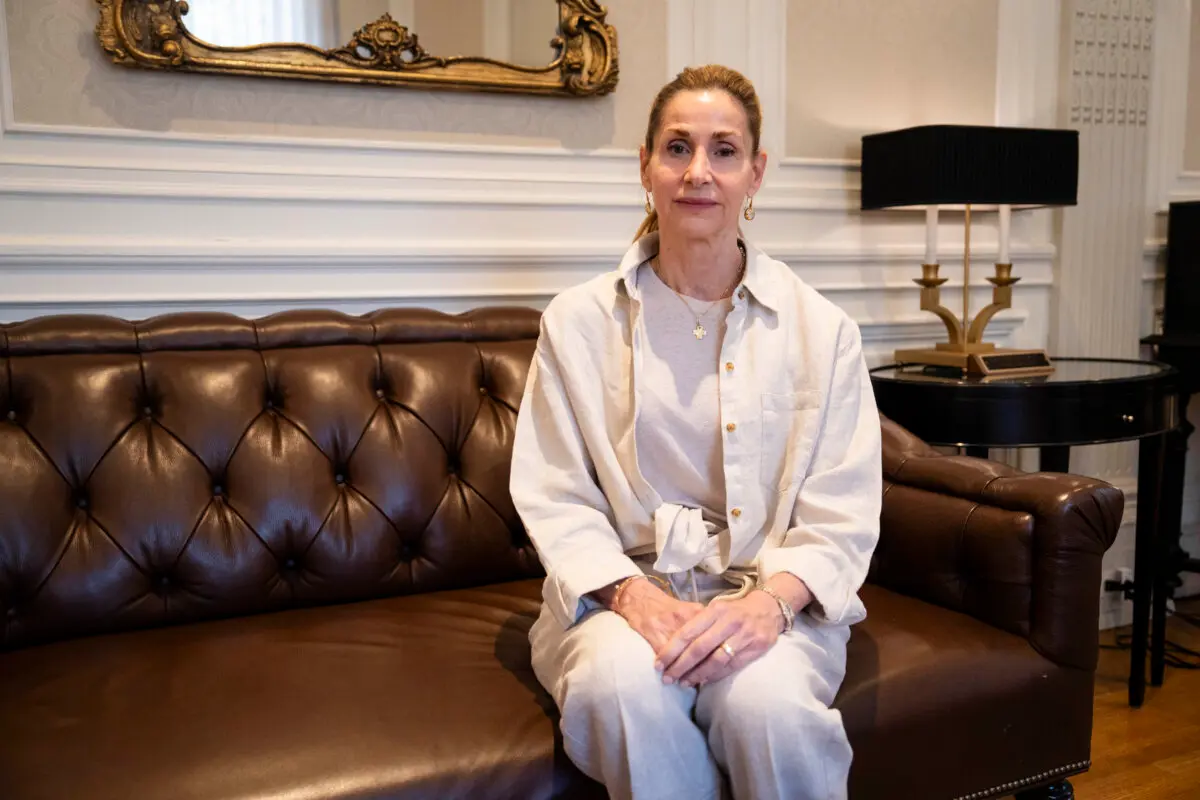
“It’s actually quite hard to put into words because it’s just such a gross violation of morality and humanity,” Leber said.
Philanthropist Rebecca Dunn said the topic of organ harvesting came up recently while speaking with a friend whose husband was awaiting a kidney transplant.
“You could get another kidney in China; you could probably get it in two weeks,” but doing so would “condemn someone to die—a very healthy person,” she recalled telling her friend. The look on her friend’s face was one of complete shock.
“That’s what people need to realize, and that’s what this film is trying to tell people: that if you’re going to have this transplant, someone will be murdered, so that you can maybe extend your life,” Dunn said.
She said she’d like people to “wake up and feel something.” Each time an organ is harvested means the death of somebody’s loved one—a mother, father, daughter, son, brother, or sister, she said.
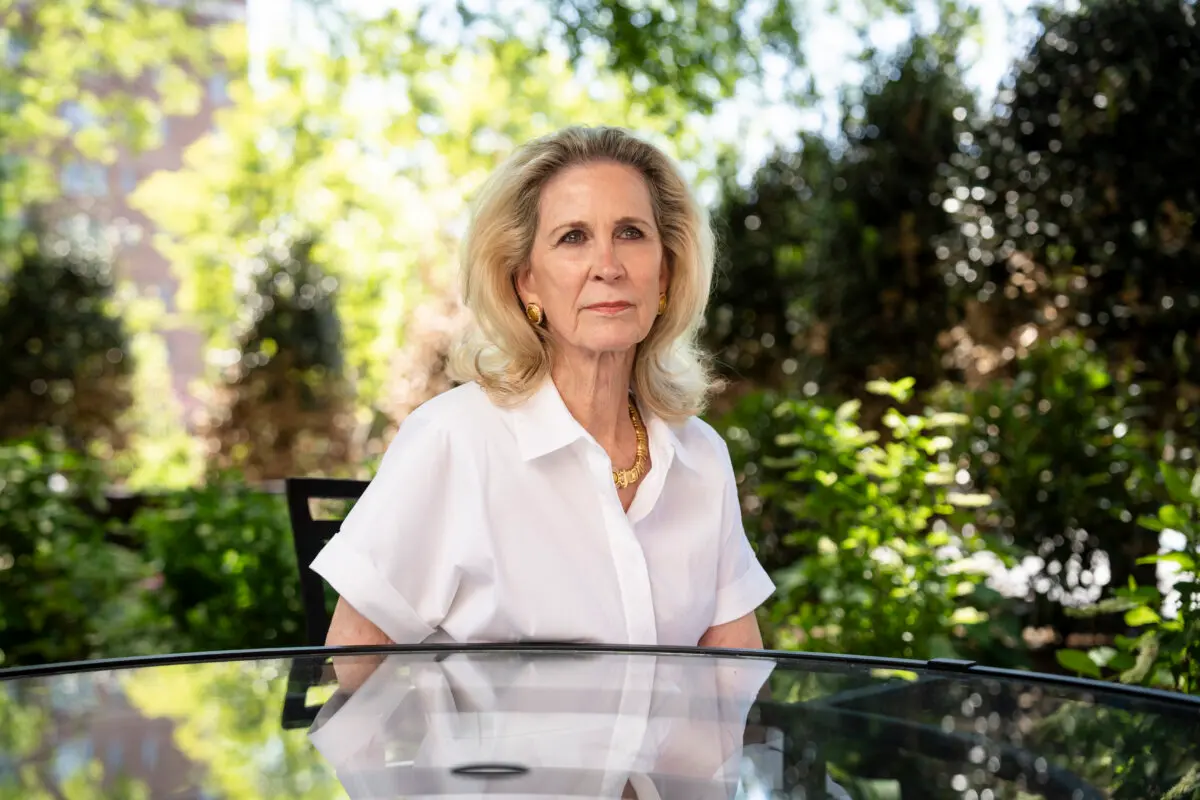
Filmmaker and human rights activist Jason Jones said he has mailed copies of the book “Killed to Order”—by Epoch Times senior editor Jan Jekielek—to every bishop in the United States.
“This is the great secret that the CCP has,“ Jones told The Epoch Times, noting that he offered to host screenings of the film in the diocese. ”Its crimes are so monstrous that they’re unbelievable.
“We only think these things happened in the past, or in some dystopian future that might happen again, but today it'll never happen. The dystopian future is now, and the horrible past is now.”
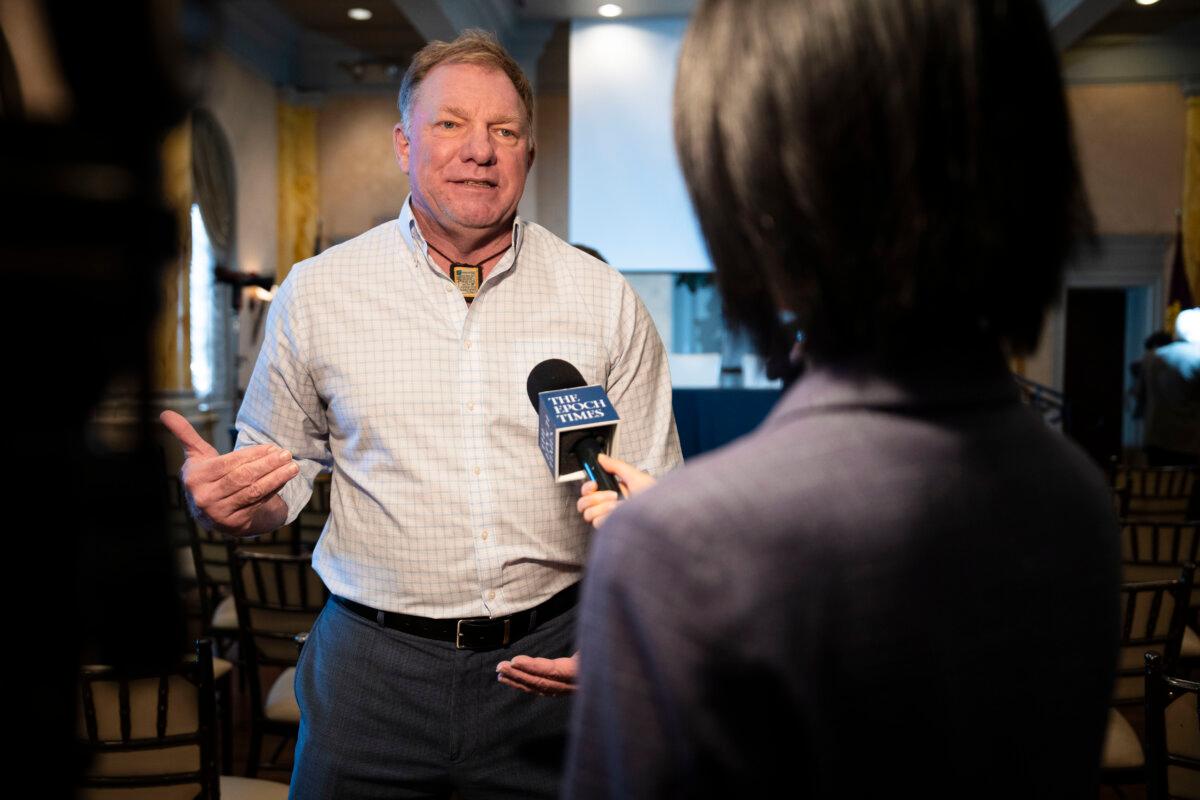
Dunn is also thinking about taking action.
“When you think that if just every individual who watches this film could do one thing, that one thing might save one life, that’s pretty profound,” she said.
That one thing, Dunn said, might be writing to a senator or congressman, or just telling a friend over a cup of coffee.
“I want to save more than one person, so I want to do a lot more than that,” she said, noting that she intends to introduce the topic to her community and “talk with many people.”
“And hopefully I can make a difference.”