A ship was struck by an unknown projectile overnight in the Strait of Hormuz, British maritime authorities said. It was the latest in a string of attacks against Gulf shipping during the conflict between Iran and the United States.
The UK Maritime Trade Operations Center (UKMTO) said in a statement on Aug. 18 that the ship reported being struck by an unknown projectile at 5.35 a.m. local time while east of Al Khasab, Oman, heading out of the Strait of Hormuz.
“The impact caused damage to the engine room and resulted in a crew casualty,” UKMTO said. “The remaining crew are currently being assisted by the Omani Coast Guard.”
The organization said no oil leaks had been reported, and vessels were being advised to “transit with caution and report any suspicious activity.”
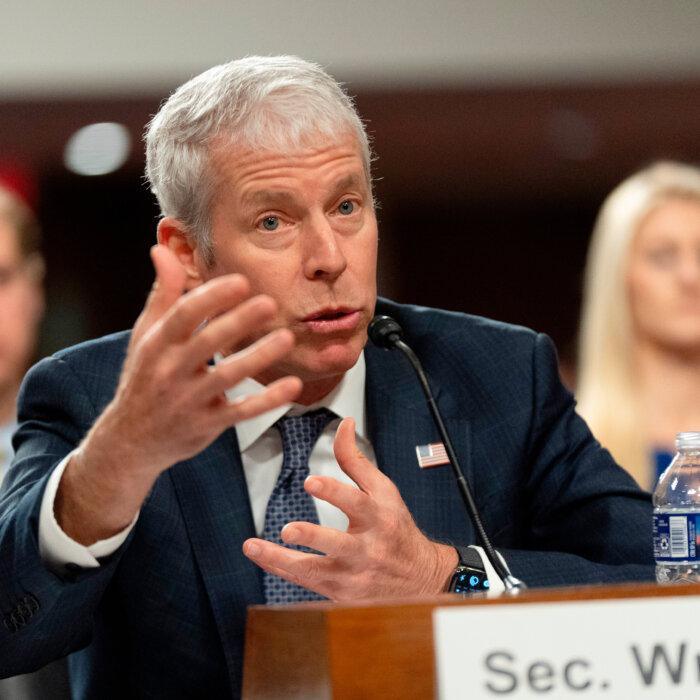

“If Oman gets in the way, we’ll bomb ... them,” Trump told Fox News correspondent Trey Yingst in a phone interview.
Iran Demands US Lift Blockade
The speaker of the Iranian parliament, Mohammad Bagher Qalibaf, said on Aug. 18 that Tehran would keep a grip on the strait until the United States met Iran’s conditions.
“Until the United States fulfills its commitments under the agreement, including lifting the blockade, releasing frozen assets, lifting oil sanctions, ending threats and military operations on all fronts, and implementing the other conditions to which it committed, the Strait of Hormuz will not reopen,” Qalibaf said.
Turkish President Recep Tayyip Erdogan spoke to Trump by phone late on Aug. 17, according to the government in Ankara.
“Stressing the importance of making maximum use of diplomacy in the tensions between Iran and the U.S., President Erdoğan expressed Türkiye’s hope for the continuation of the talks, and noted that Türkiye will continue to support peace efforts,” said a statement from Erdogan’s office, using the Turkish spelling for the nation.
The deadlock in the Middle East continues to affect fuel prices, as the Strait of Hormuz is a key supply route for oil coming from Saudi Arabia, Kuwait, Qatar, Bahrain, and the United Arab Emirates.
Wright told reporters at Midland, Texas, that while U.S. refineries have been running at record levels, fuel prices remain high as the war in Iran continues to disrupt global oil supplies.
The Iran-backed Houthi terrorist organization told Yemen’s SABA News Agency that it had fired drones at an oil refinery at Jazan in Saudi Arabia run by the state-owned ARAMCO company.
There was no confirmation from Saudi Arabia, and The Epoch Times was unable to verify the report.
Kushner Positive About Hamas Disarmament
Elsewhere in the Middle East, U.S. special envoy Jared Kushner has said that Hamas could be “very close” to laying down its arms.
In an interview with Fox News, Kushner said he had a “great meeting” in Cairo with Hamas, with the mediators, and with a new Palestinian government that will take over in Gaza when the terrorist group hands over control.
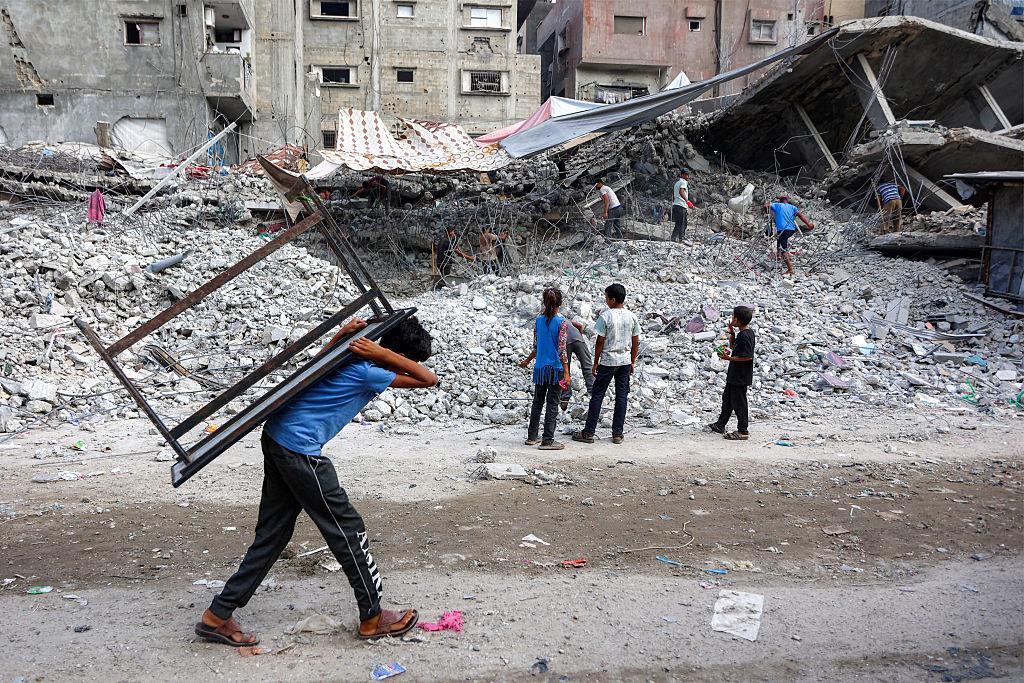
He said Hamas reaffirmed all its commitments to Trump’s 20-point peace plan, and to the 15-point roadmap Kushner has been working on for four months.
Kushner said it might sound “crazy” for Hamas to disarm because it has possessed weapons for a long time and has been a “terrible terrorist organization.”
“But at this point, with the pressure from all the mediators and the United States, they do seem willing to do it,” he said.
“A year ago there were 20 hostages in Gaza and 28 bodies. There was a hot war going on,” Kushner said. “What we’ve been able to accomplish under President Trump’s leadership over the last year has been pretty remarkable.”
“President Trump has pulled off miracles before in the Middle East, and he’s very committed to continuing to do things that nobody thinks is possible.”