Leaders of South Korea and Japan have agreed to deepen cooperation on energy security and regional defense coordination amid the Middle East conflict and pressures on Asia’s import-dependent economies.
South Korean President Lee Jae Myung and Japanese Prime Minister Sanae Takaichi announced the plans on May 19 following talks in Andong, South Korea.
The two leaders pledged to expand cooperation on liquefied natural gas and crude oil supplies, including stockpiling arrangements and petroleum product swap agreements.
“Recent instability in supply chains and energy markets stemming from the situation in the Middle East has further underscored the need for close cooperation between our two countries,” Lee said in a May 19 joint statement.
Japan and South Korea are two of Asia’s most advanced economies, but both rely heavily on imported energy to meet domestic demand.
The International Energy Agency said in its World Energy Investment 2025 report that energy security remains a major concern due to the countries’ low energy self-sufficiency rates, estimated at 13 percent for Japan and 19 percent for South Korea.
Oil accounts for about 37 percent of South Korea’s total energy supply, according to the International Energy Agency’s 2024 energy mix data. Net crude oil imports accounted for 98.6 percent of the country’s total crude oil supply in 2024.
Takaichi said the countries launched a new bilateral initiative to strengthen energy supply resilience across the Indo-Pacific region. She said the initiative includes expanding emergency reserves and examining mutual swap arrangements involving crude oil, petroleum products, and LNG.
“Under the current strategic environment, I believe that the importance of Japan-ROK relations, as well as Japan-ROK-U.S. cooperation, is increasing further,” Takaichi told reporters on May 19 before departing for South Korea.
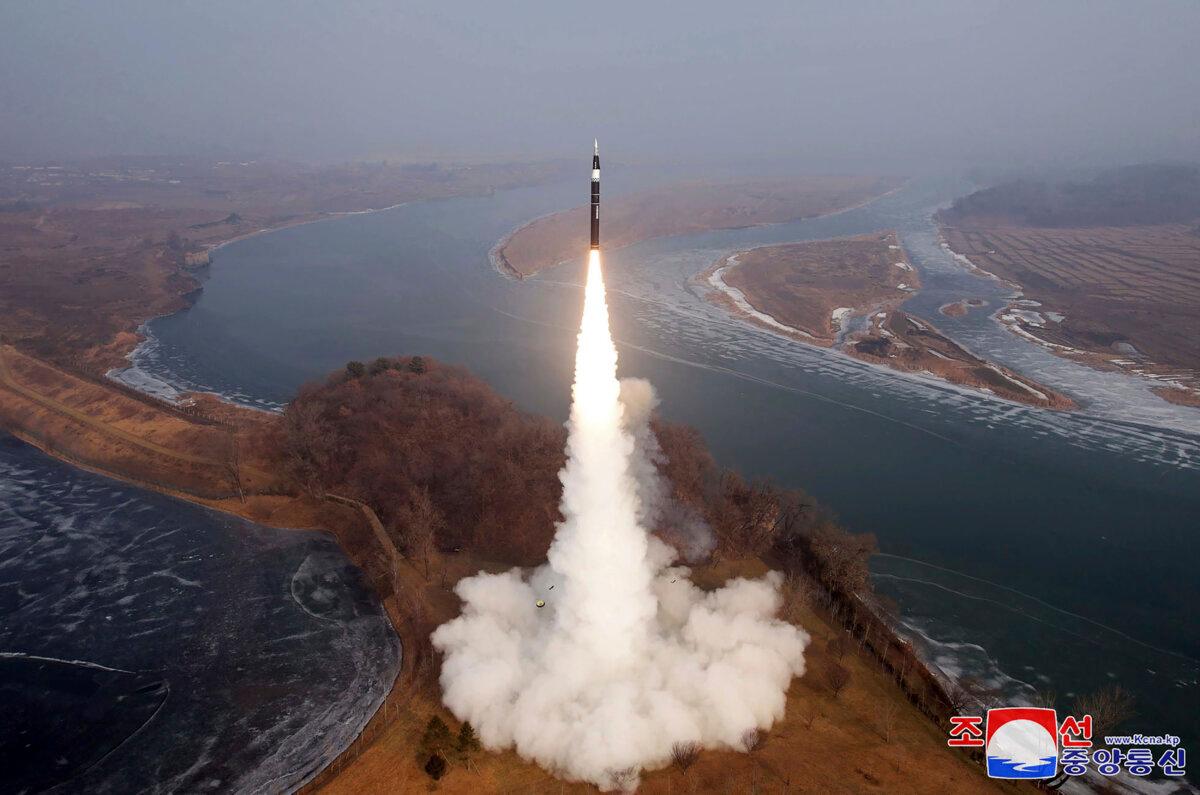
Lee and Takaichi also reaffirmed plans to strengthen trilateral cooperation with the United States as they confront shared challenges, including North Korea, and broader regional tensions.
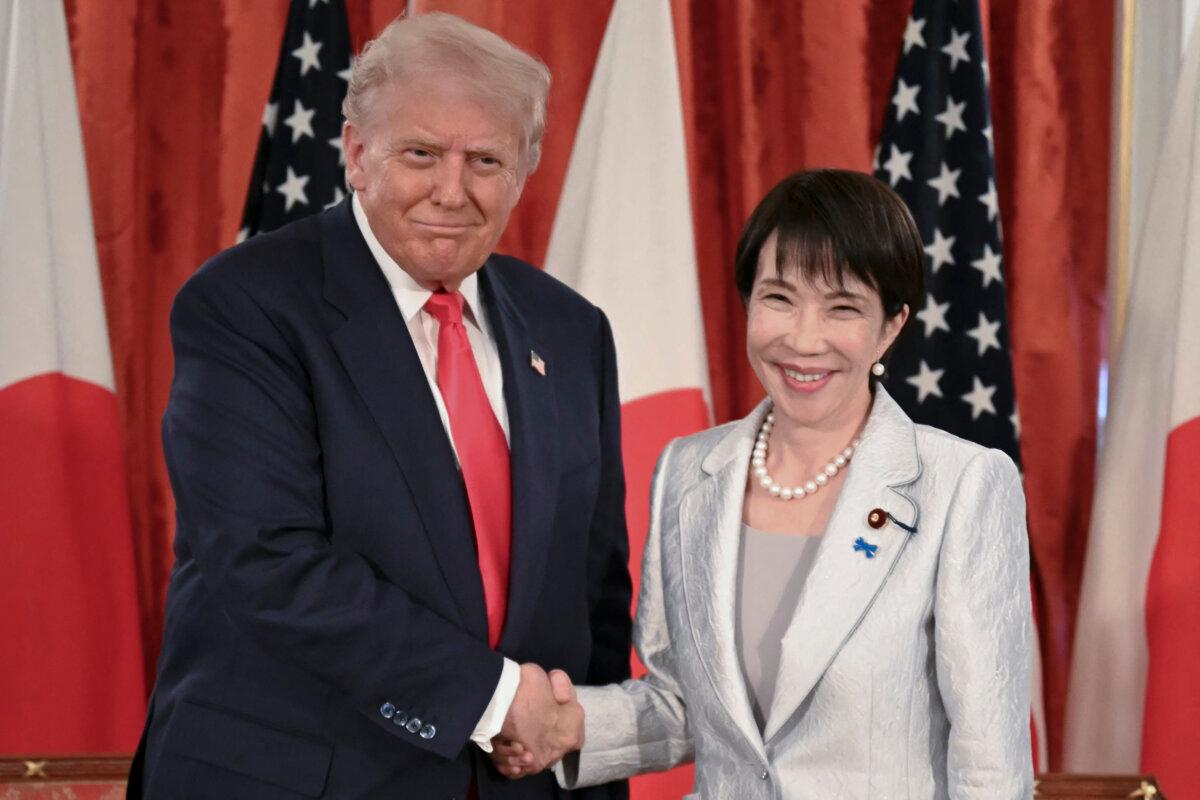
Lee said recently upgraded vice-ministerial-level security talks between Seoul and Tokyo represented “meaningful progress” in institutionalizing defense dialogue between the countries.
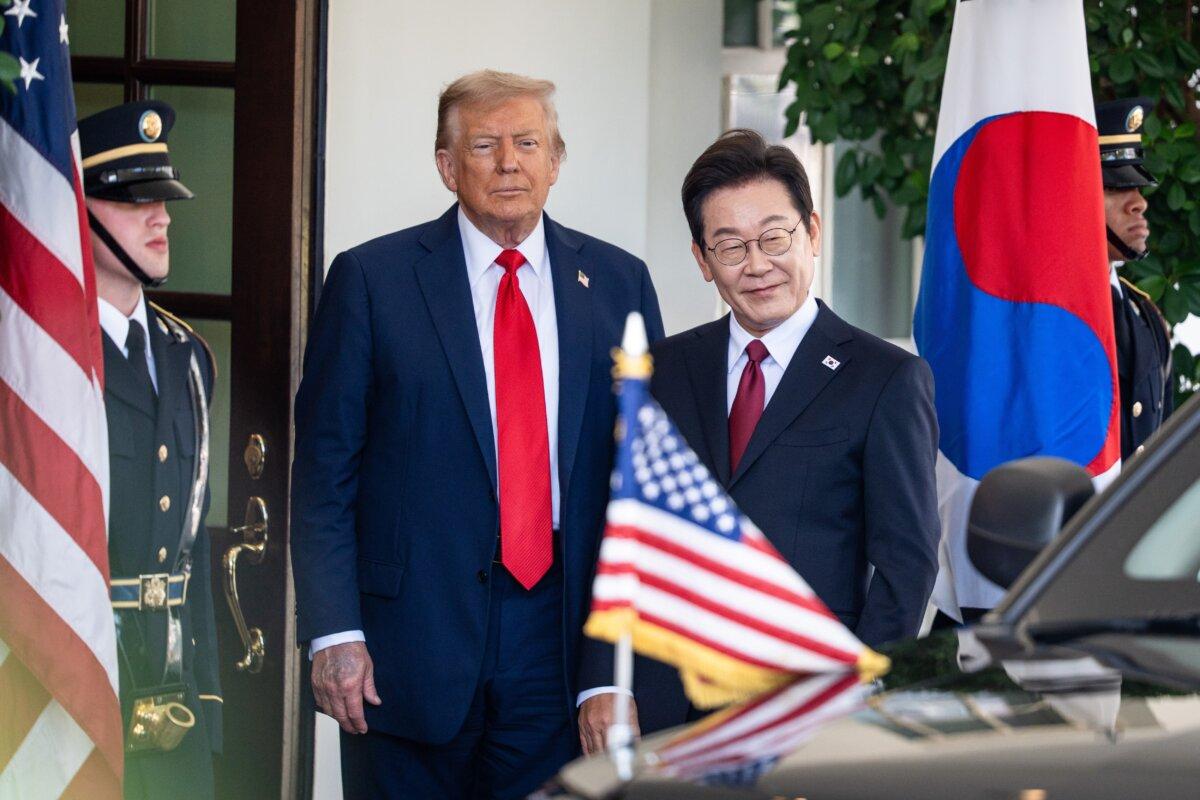
South Korea–Japan Ties Improve
Relations between South Korea and Japan have improved since 2023 after years of political disputes over wartime labor issues, territorial disagreements, and historical grievances.Leaders from both countries increasingly have framed cooperation as necessary to address shared concerns involving supply chain vulnerabilities, the Chinese communist regime’s regional influence, and North Korea’s weapons development.
Japan’s Ministry of Foreign Affairs said that strong ties between Tokyo and Seoul remain essential for “peace and prosperity in East Asia.”
The ministry also highlighted decades of economic and cultural exchanges between the two countries, including trade, tourism, and business investment.
South Korea and Japan have both expanded investment commitments in the United States while managing trade tensions with Washington.