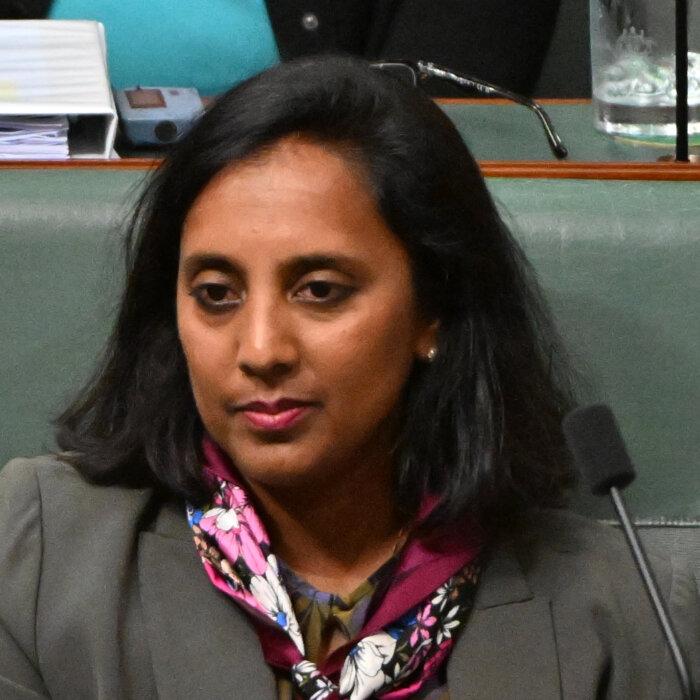
An individual who was criminally convicted due to a government agency’s miscalculation of debts can receive only $600 in compensation under legislation passed in February, a Senate committee was told.
Several organisations and experts raised concerns that the government’s monetary compensation for “income apportionment debts” is inadequate.
Different from Robodebt, income apportionment was used by Services Australia (and formerly by Centrelink) between September 2003 and December 2020 to calculate social security overpayments, which happen when someone receives more benefits than they should.
It was used to estimate a person’s income when their pay did not align with reporting periods by evenly spreading their earnings across fortnights.
In July, a Federal Court ruled that the practice was unlawful, saying it is “a genuine misinterpretation of the law.”
In response, parliament passed the Social Security Legislation Amendment (Technical Changes) Bill 2025, which retrospectively legalised the calculations that the court ruled illegal and made income reporting easier.
The Bill also established an Income Apportionment Resolution Scheme, helping provide solutions for people who were affected by the original scheme, including the monetary compensation of up to $600.
Case of Victim Being Criminalised
Kristin O'Connell, a spokesperson for the Antipoverty Centre, called for a higher limit to the available compensation.
She mentioned a case in which an individual had been criminally convicted due to the wrongly calculated debt amounting to tens of thousands of dollars.
“He is living with this uncertainty, and he’s been living with the consequences of criminalisation now since 2018, so I don’t think it is fair to say that people in this situation should receive such a minor payment,” O'Connell said at the hearing on Oct. 3.
“We’re working with people who have been criminalised through unlawfully calculated income apportionment debts, who now cannot get back into the workforce because of the effect that that criminal record is having on their ability to find employment.”
O'Connell also called to remove the time limit on the resolution scheme.
“It’s absurd that people are expected to act on this within 12 months,” she said.
Government Moves to Compensate Victims
It is worth noting that the $600 compensation should be enough for most victims, according to a joint statement about the court decision by Government Services Minister Katy Gallagher and Social Services Minister Tanya Plibersek.
“The median affected debt was $330 and the average age of debt is 19 years. Not all income support recipients were disadvantaged by income apportionment,” they said.
To help resolve debts caused by the miscalculations, the Albanese government announced a $300 million package and raised the limit for waiving unintentional debts to $250, wiping out about 1.2 million small debts in the 2025–26 financial year.“This $300 million package will mean Services Australia does not waste time or resources chasing accidental debts that are uneconomical to recover, and spare Australians with small debts significant stress,” Minister for Social Services Tanya Plibersek said.
Advocate: Bill Doesn’t Address Serious Issue
Charmaine Crowe, a senior advisor from the Australian Council of Social Service, called on the government to go further and place a six-year statute of limitations on social security debts.
This prevents the government and relevant agencies from pursuing the debts after six years.
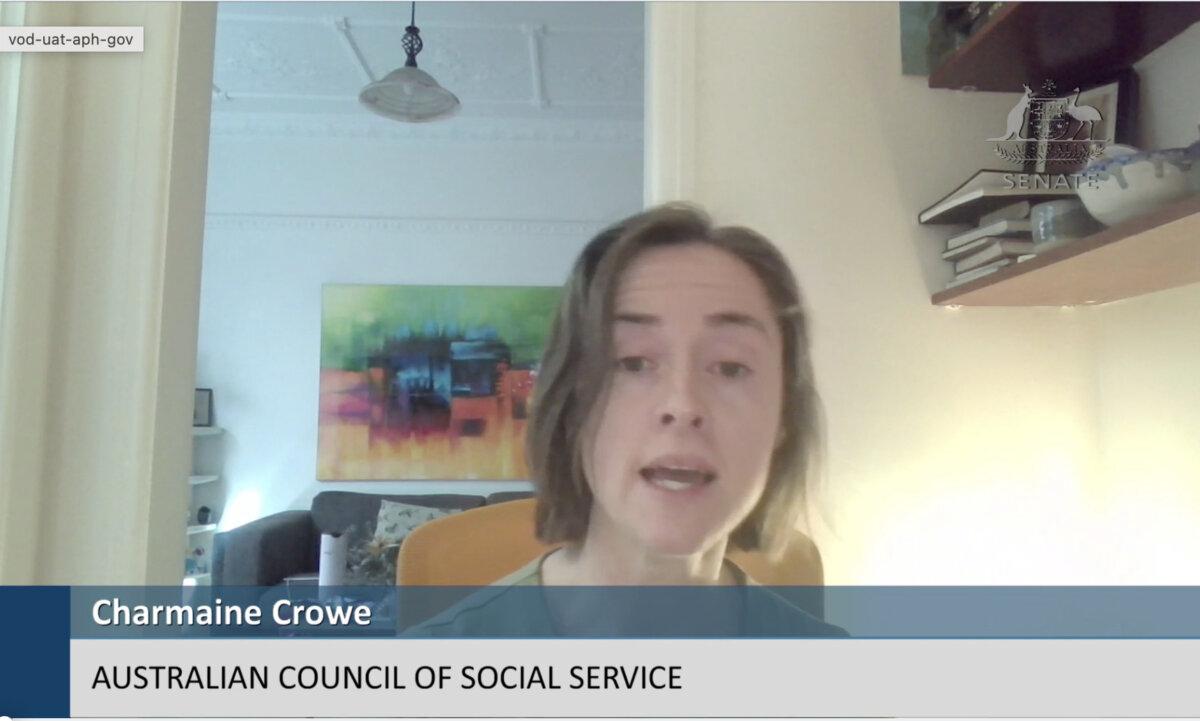
“Successive governments have unlawfully calculated people’s fortnightly social security and time entitlements for several decades, which has resulted in up to five and a half million debts being incorrectly calculated,” she said.
“In addition to that, we don’t know what the effect was on people’s income banks that were incorrectly tallied, or the extent to which people lost other payments because of income apportionment.”
Crowe believes the Bill doesn’t address that issue.
“We think that the resolution scheme that’s currently closed will fall short for a lot of people, even though for others it will be sufficient, or indeed provide a higher amount of compensation than what they would otherwise be owed,” she said.
“We’ve recommended that people who are owed a higher amount than what the resolution scheme provides be able to get that amount at the very least, and that that process be straightforward.”
The committee is scheduled to report to the Senate on Oct. 21, and requests that responses to questions on notice be submitted by Oct. 9.