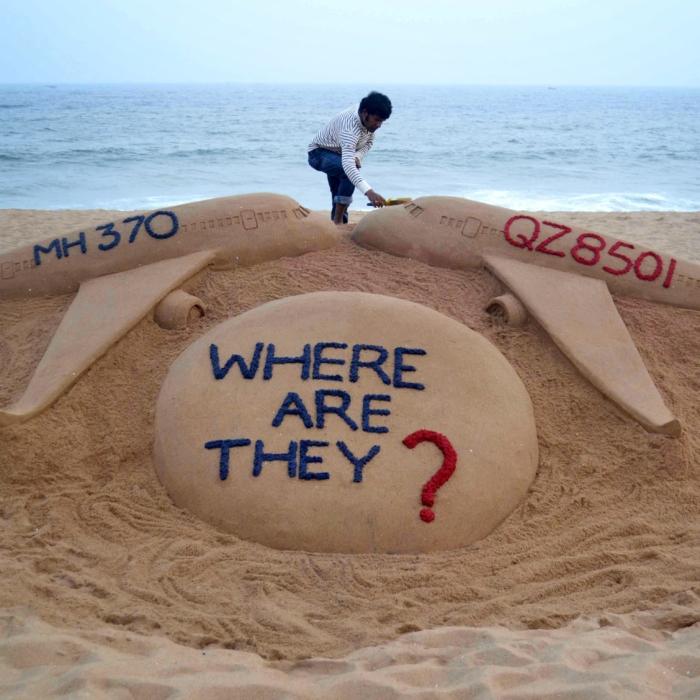
The search for missing Malaysia Airlines Flight MH370 will resume on Dec. 30, the Malaysian government announced, more than a decade after the Beijing-bound plane vanished in what is widely regarded as the world’s greatest aviation mystery.
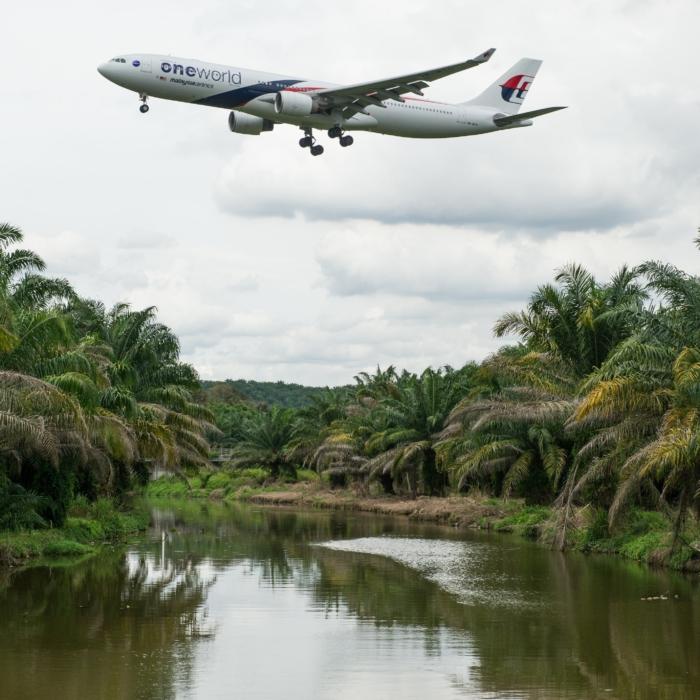
The Boeing 777 was carrying 227 passengers and 12 crew members when it disappeared 38 minutes after takeoff from the Malaysian capital, Kuala Lumpur, on March 8, 2014.
It was flying over the South China Sea when it abruptly disappeared from air traffic control. Its last voice contact was made at 1:19 a.m. local time.
Many Theories Advanced
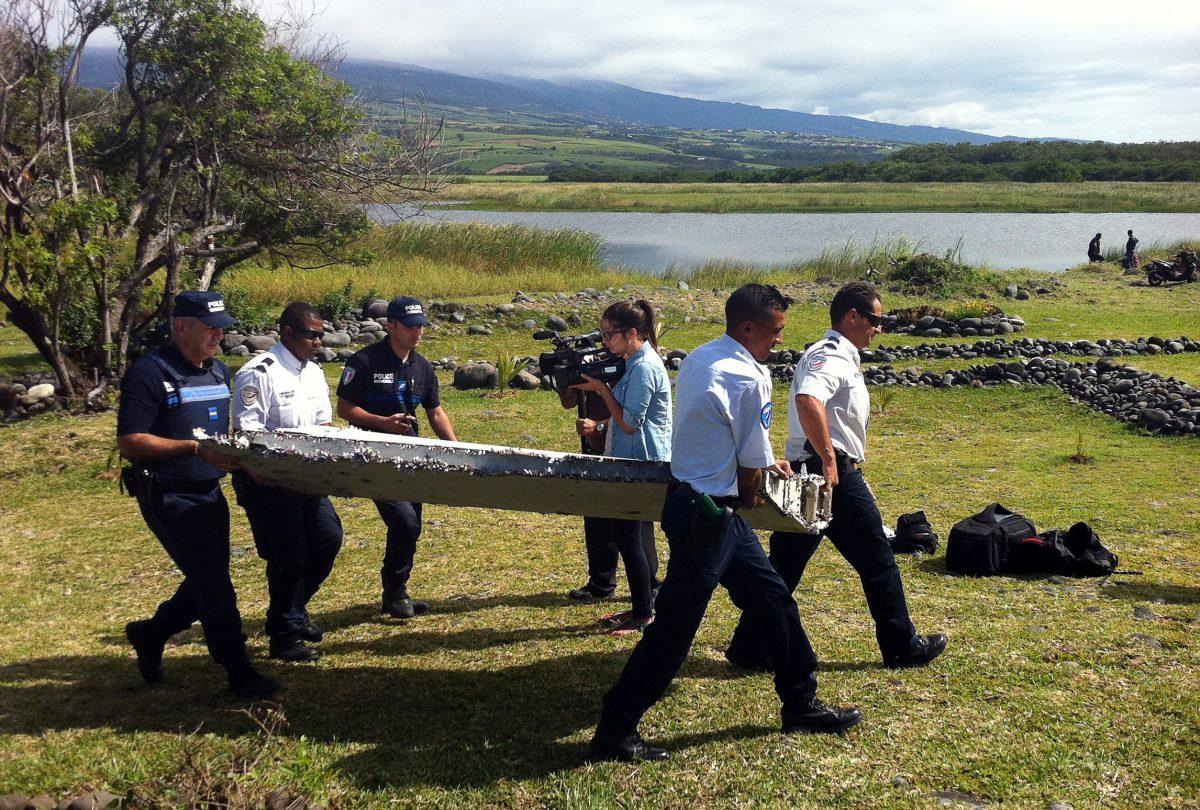
Many theories have been advanced to explain how the plane came to crash into the sea, but without the “black box” flight recorder or recovery of major wreckage, they remain speculative. The majority of theories have focused on the pilot, Captain Zaharie Ahmad Shah.Multiple search operations for the plane have since been carried out, but no trace of the main body of the plane or passengers has ever been found. Debris—some confirmed and some believed to be from the aircraft—has washed up along the coast of Africa and on islands in the Indian Ocean.
The most recent search in the southern Indian Ocean was called off in April after just a few weeks because of poor weather conditions.
“The search will be carried out in targeted area assessed to have the highest probability of locating the aircraft,” it said in a statement.

The report said that the “possibility of intervention by a third party” could not be ruled out. Investigators found that although there was no evidence of a mechanical failure, this could not be definitively ruled out.
The report stopped short of offering a conclusion as to what happened, saying that could not be done without finding the main wreckage, including the black box.
Investigators have said they did not find anything suspicious in the background, financial affairs, mental health, or training of either the captain or the copilot.
The resumed search for the wreckage will be in accordance with the terms and conditions agreed upon between Ocean Infinity and the Malaysian government, the ministry said. The company carried out prior searches for the plane up until 2018 but failed to find substantive wreckage.

No Find, No Fee
In a “no find, no fee” contract, Malaysia will pay the firm $70 million only if substantive wreckage is found during the new seabed search, which will take place in an area of the southern Indian Ocean covering 5,790 square miles.That effort was suspended in January 2017, after no evidence was found other than debris on the African coast.
It had been the most expensive search operation in aviation history. Malaysia was estimated to have spent $13.5 million and Australia about $132 million, and other countries involved also contributed sizable sums.
A year after the official search was called off, Ocean Infinity announced plans to resume the search using the chartered Norwegian ship Seabed Constructor in a narrowed area of 25,000 square kilometers (9,700 square miles).
The Malaysian government gave the go-ahead on the condition that payment would be made only if wreckage were found. The attempt was unsuccessful and called off in May 2018.
Lawsuits Ongoing
Relatives in China are involved in a lawsuit seeking compensation from Malaysia Airlines, Boeing, aircraft engine maker Rolls-Royce, and the Allianz insurance group, among others.The families of those onboard have long campaigned for the resumption of search operations, saying that an explanation is needed to prevent another such tragedy.
MH370 family support group Voice370 released a statement on the 11th anniversary of the disappearance in March, expressing gratitude for the Malaysian government’s approval for the new search.
“It made our remembrance event meaningful, bringing renewed hopes for closure.”