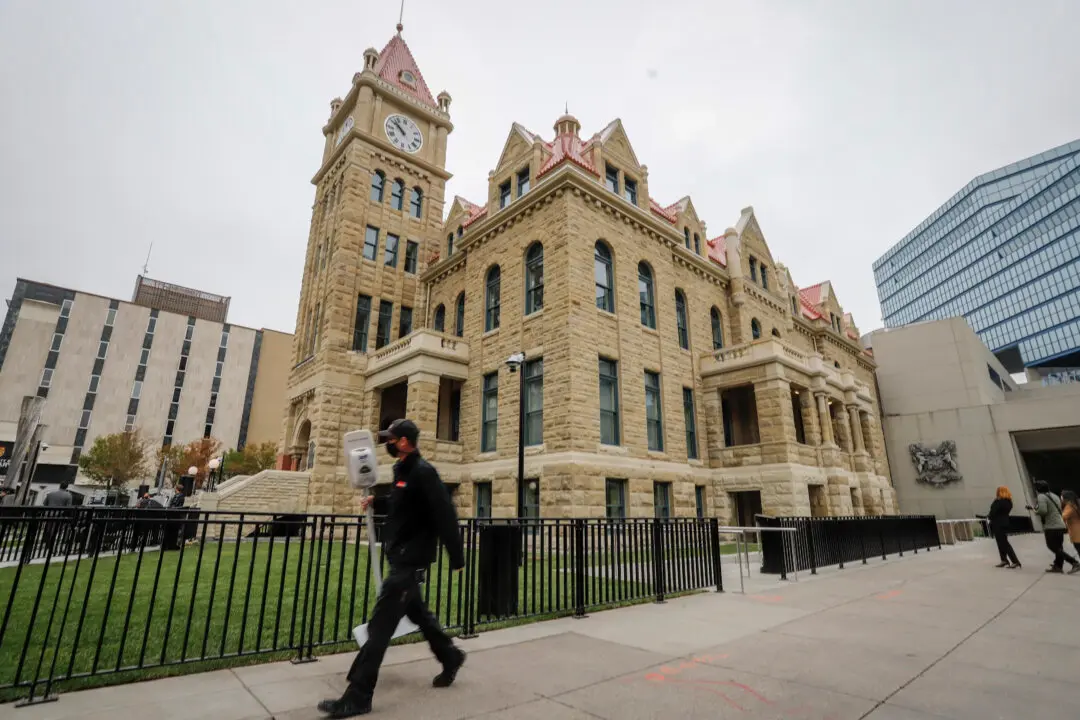
Saskatchewan Premier Scott Moe has declared a province-wide state of emergency due to the wildfire situation.
There were 17 active wildfires in Saskatchewan as of May 29, the government said. About 15 communities have been evacuated, with more than 4,000 residents forced from their homes, largely from the province’s northeast.
Moe made the declaration at a news conference in Prince Albert.
“It’s a very serious situation that we’re faced with in Saskatchewan,” Moe said during a news conference in Prince Albert.
“We do need some rainfall. We need that sooner rather than later, and in light of that not being in the forecast, we most certainly are putting in place every measure possible to prepare the province.”
Moe said he had not asked the federal government for assistance, but may do so in the coming days.
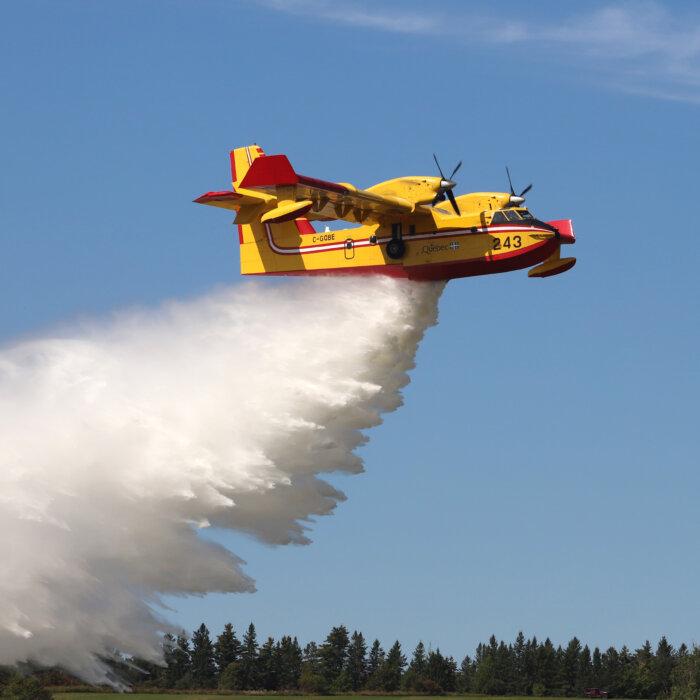
“The conditions that we’re facing and the conditions that our northern residents, communities, and our wildfire fighters are facing today are as severe, or quite likely more, unlike anything we have faced for quite some period of time,” Moe said.
The premier said that things are going “to get worse before they get better.”
In total, there have been 206 wildfires in Saskatchewan this year, much more than the five year average of 125, according to the government.
The state of emergency will remain in effect for 30 days. It can also be extended if the government deems it necessary.
“We have some challenges ahead of us in the short term,” Moe said.
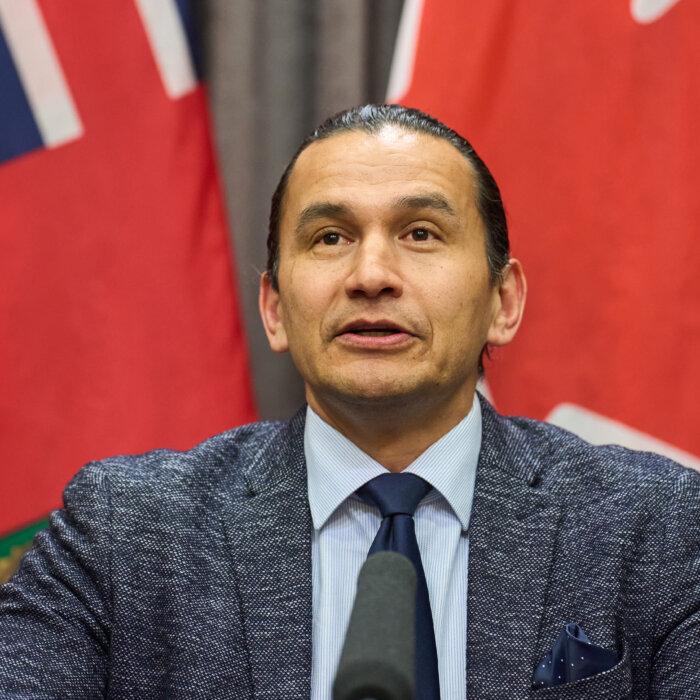
Moe’s declaration comes a day after Manitoba Premier Wab Kinew declared a state of emergency for that province.
Kinew said 17,000 people have been evacuated from several communities and First Nations due to the wildfires.
Evacuation orders have been issued for three Manitoba communities, including the city of Flin Flon and the First Nations of Pimicikimak and Mathias Colomb.
Manitoba’s declaration, like Saskatchewan’s, will be in place for 30 days, and could be extended.
The move allows the province to coordinate federal, provincial, and local resources to help those impacted by the fires, according to Kinew.
“This is the largest evacuation in many Manitobans’ living memory and this will require significant resources and co-operation from all levels of government,” Kinew said.
He said he had already spoken to the prime minister and asked for support from the Canadian Armed Forces to transport evacuees.